Health First experts share guidance on preventing illness, recognizing warning signs and knowing when your child needs medical care
Virtual care can be a convenient option for many common, non-emergency illnesses, particularly when getting to an office is difficult. Health First Virtual Care offers same-day appointments Monday through Saturday for patients ages 6 and older and can help families determine the appropriate next step for care.
BREVARD COUNTY • ROCKLEDGE, FLORIDA – As families settle back into school-year routines, the return to classrooms, sports, activities and meeting new friends, also means children are once again spending more time in close contact with one another. That can make it easier for common viruses and other illnesses to spread.
Chhavi Gupta, PhD, system vice president of quality/regulatory compliance at Health First, and Denise Koncelik, director of infection control at Health First, offer practical reminders to help parents and guardians start the school year on a healthy note.
Younger children, especially those starting kindergarten and elementary school, may be particularly prone to picking up viruses as they adjust to being around larger groups of children again.
“Kids are excited to see each other,” Gupta said. “They want to touch everything, shake hands and hug each other.”
That makes good hand hygiene one of the simplest ways to help reduce the spread of illness.
Soap and water remain the best choice when hands are visibly dirty or contaminated.
Hand sanitizer is an effective alternative when hands are not visibly soiled.
Gupta and Koncelik recommend that parents consider sending a small bottle of hand sanitizer or individually wrapped hand wipes in their child’s backpack, when permitted by the school.
Parents can also reinforce healthy habits at home, including eating nutritious foods, getting adequate sleep, drinking plenty of water and staying clear of popular caffeinated drinks.
One of the most important ways parents can help prevent illness from spreading is to keep children home when they are sick.
Koncelik recommends keeping a child home with a fever of 100.4 degrees Fahrenheit or higher. Children should be fever-free for at least 24 hours without the use of fever-reducing medication before returning to school.
Diarrhea is another reason to stay home. Gastrointestinal illnesses can spread easily, and children who are experiencing vomiting or diarrhea can also become dehydrated quickly.
A sore throat can be more difficult to assess. A sore throat accompanied by a fever is a good reason to contact the child’s physician, particularly because illnesses such as strep throat can require treatment.
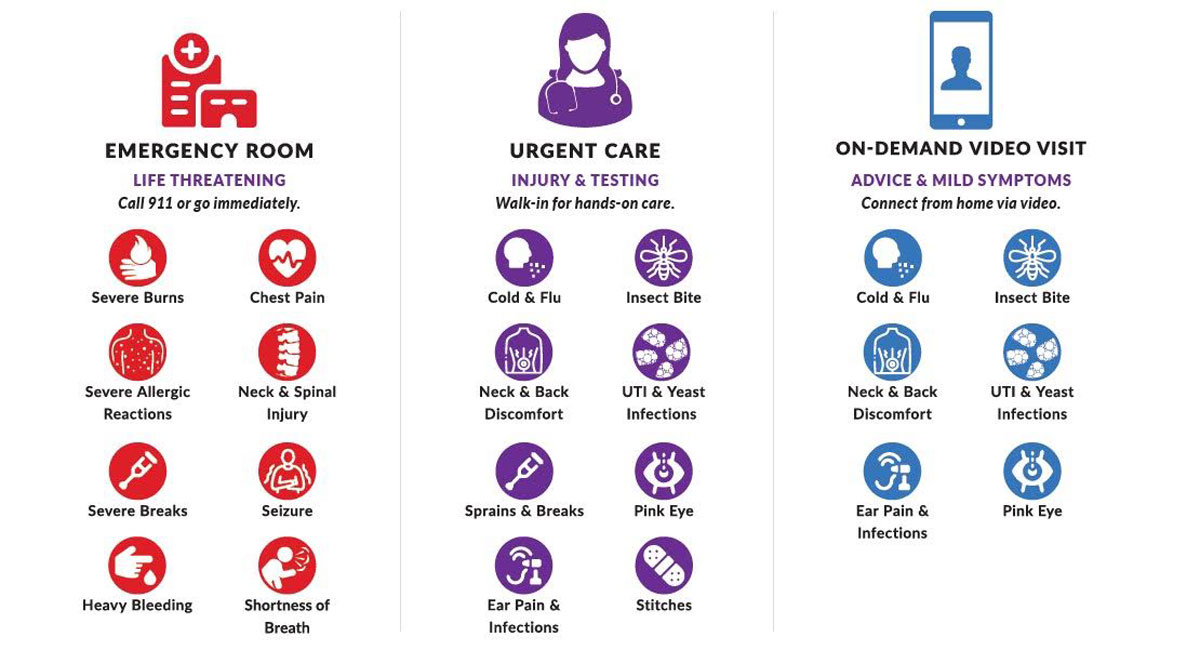
When a child is sick, one of the biggest questions for parents and guardians is: Where should I go for care? The answer depends on the severity of the symptoms.
Start with your child’s physician when symptoms are mild or you have questions about your child’s health. A pediatrician or primary care provider can help determine whether your child needs to be seen, tested or treated. A fever accompanied by a sore throat, for example, is a good reason to contact the child’s physician.
Virtual care can be a convenient option for many common, non-emergency illnesses, particularly when getting to an office is difficult. Health First Virtual Care offers same-day appointments Monday through Saturday for patients ages 6 and older and can help families determine the appropriate next step for care.
Urgent care may be appropriate when your child needs to be evaluated in-person more quickly but does not have a life-threatening emergency. This can include illnesses or symptoms that need same-day attention but can safely be treated outside of the emergency department.
Parents should seek emergency care when a child has a high fever accompanied by a seizure, convulsions, confusion or altered mental status; significant difficulty breathing; severe dehydration; or other symptoms that suggest a potentially serious or life-threatening condition.
For children with vomiting or diarrhea, pay close attention to hydration. If your child cannot keep fluids down, is urinating significantly less than usual or has very dark urine, contact their physician or seek medical care. If symptoms are severe or accompanied by concerning changes in your child’s alertness or behavior, seek emergency care.
Back-to-school health isn’t just about younger children. Gupta said parents of teenagers should pay particular attention to hydration, nutrition and sleep as students transition from a relaxed summer schedule to the demands of school, sports and extracurricular activities.
“Start working on your eating pattern and your water consumption,” Gupta said. “You don’t want to be dehydrated when you’re back-to-back with so many activities.”
Parents should also be mindful of highly caffeinated beverages. Some energy and fitness drinks contain significant amounts of caffeine and can look like ordinary soft drinks. Water should remain the primary source of hydration for children and teens.
For older adolescents, Koncelik also highlighted the importance of being aware of meningitis symptoms, particularly fever accompanied by a severe headache or other concerning symptoms. Parents should seek medical attention promptly if they are concerned about meningitis.
The goal isn’t to keep children home from every sniffle or cough. It’s to help families recognize when a child may be contagious, know when to seek care and build healthy habits that can help everyone have a healthier school year.