HEALTH FIRST SPECIALISTS: Alarming Rising Uterine Cancer Rates Make Gynecological Care Critical
By Space Coast Daily // September 15, 2022
Health First’s specialists want women to be aware of the signs, be seen by a specialist
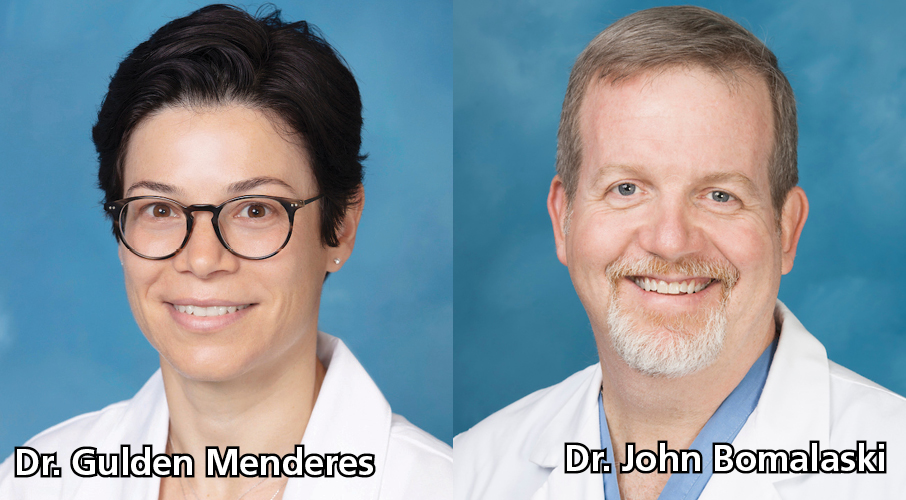
BREVARD COUNTY, FLORIDA – The trend is alarming. The National Institutes of Health warned earlier this year that deaths from uterine cancers are rising, far outpacing population growth.
According to a study published in the journal JAMA Oncology, researchers found that overall uterine cancer death rates in the U.S. increased by about 1.8% per year between 2010 to 2017.
“If we’re able to decrease the incidence of these high-grade [deadly] types of cancer, or diagnose them earlier, we can positively impact the likelihood of survival,” said Dr. John Bomalaski, a fellowship-trained Health First gynecologic oncologist.
Most uterine cancers begin in the endometrium, the lining of the uterus. “The higher grade and more aggressive ones have historically been fairly rare – but these have increased,” Dr. Bomalaski said.
Dr. Bomalaski is one of two Health First physicians who has completed more than 3,000 robotics-assisted surgeries (the other is General Surgeon Dr. Nathan Allison), a form of minimally invasive surgery with consistently high patient outcomes. About half of all of these surgeries were to treat uterine cancers.
Physicians generally divide endometrial cancers into Type 1 and Type 2. The first, said Dr. Gulden Menderes, another fellowship-trained Health First gynecologic oncologist, is the result of high levels of estrogen unchecked by progesterone. Fat tissues in the human body transform the hormone androgen into excess estrogen. Therefore, levels correlate with weight.
The Risk Factor
“Obesity is essentially the risk factor for Type 1 endometrial cancer,” said Dr. Menderes.
The “vast majority” of endometrial cancers are the result of excessive estrogen production, said Health First Gynecologist Dr. Marshall Scott Bovelsky, which is a byproduct of weight gain. And rise among younger and younger women in the cohort.
“We’re seeing endometrial cancers at very young ages,” says Dr. Menderes. “This is a cancer that typically is found at 60-plus years of age. I am seeing patients in their 40s, 30s, even late 20s. Those cases are almost always women with BMIs [body-mass indexes] over 40, 50 or 60.”
These specialists all said they discuss lifestyle changes with their patients – eating less and more nutritious foods, and getting more exercise. It’s a conversation that must be honest, but “sincere and respectful,” Dr. Menderes said.

Signs and Stages
About 9 in 10 women with endometrial cancer or other uterine cancer will have bleeding or “spotting” between periods or after menopause. This is the primary sign that an examination should be scheduled. Other signs and symptoms of endometrial cancer include pink discharge, pain in the pelvis, feeling a mass and losing weight.
When diagnosed, patients have a hysterectomy to determine what stage they are at and what their next moves should be. If caught in stage 1, they can simply have a surgery to remove it. If caught in stage 3 or 4, chemotherapy or radiation will be introduced, Dr. Bovelsky said.
“Get checked out by a gynecologist annually,” he said. “Delay in diagnosis is probably the biggest issue.”
“If somebody said, ‘I have a lump in my breast’ they would need to see a doctor right away,” says Dr. Bomalaski.
“That same urgency and importance needs to be said about any kind of post-menopausal bleeding, or any kind of significant abnormal bleeding in a pre-menopausal patient.”
To schedule an appointment with a Health First Gynecologist or to find another specialty or provider by name, visit HF.org/schedule. Visit HF.org/news to learn more about what’s happening at Health First.
 Related Story:
HOT OFF THE PRESS! September 12, 2022 Space Coast Daily News – Brevard County’s Best Newspaper