Injection Molding: Choosing Between Polypropylene and Polycarbonate
By Space Coast Daily // April 24, 2024
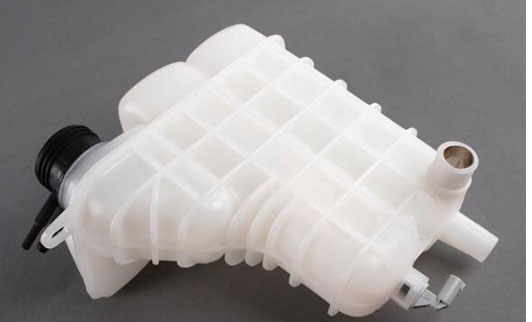
Injection molding is a crucial manufacturing process widely used across various industries, from automotive to electronics, to create intricate plastic parts with high precision using medical grade plastic.
It involves injecting molten material into a mold cavity, where it solidifies to form the desired shape. In this article, we delve into the differences between two commonly used materials in injection molding: polypropylene vs polycarbonate.
Importance of Injection Molding in Manufacturing
Before diving into the specifics of polypropylene (PP) and polycarbonate (PC), it’s essential to understand the significance of injection molding china in modern manufacturing. This process allows for mass production of complex parts with consistency, efficiency, and minimal waste, making it indispensable in various industries.
Understanding Polypropylene (PP)
Polypropylene, a thermoplastic polymer, is known for its versatility and affordability. It offers excellent chemical resistance, low moisture absorption, and high tensile strength, making it suitable for a wide range of applications, including packaging, automotive components, and household goods.
Understanding Polycarbonate (PC)
Polycarbonate, another thermoplastic polymer, stands out for its exceptional impact resistance and transparency. It’s commonly used in applications requiring high optical clarity and durability, such as safety goggles, electronic components, and medical devices.
Comparison between Polypropylene and Polycarbonate
Cost-effectiveness
Polypropylene is generally more cost-effective than polycarbonate, making it a preferred choice for large-scale production where cost efficiency is crucial.
Strength and Durability
While both materials exhibit high strength, polycarbonate surpasses polypropylene in impact resistance and toughness, making it ideal for applications requiring robustness and durability.
Heat Resistance
Polycarbonate demonstrates superior heat resistance compared to polypropylene, allowing it to withstand higher temperatures without deformation or degradation.
Flexibility
Polypropylene offers greater flexibility and moldability than polycarbonate, making it suitable for applications requiring intricate designs or complex geometries.
Environmental Impact
Polypropylene is more recyclable and environmentally friendly than polycarbonate, making it a more sustainable choice for certain applications.
Injection Molding Process for Polypropylene and Polycarbonate
The injection molding process for both polypropylene and polycarbonate involves melting the resin pellets and injecting them into a mold cavity under high pressure. The mold is then cooled, and the solidified part is ejected, ready for further processing or assembly.
Challenges and Considerations in Injection Molding with PP and PC
Despite their advantages, both polypropylene and polycarbonate present certain challenges in the injection molding process, such as warpage, shrinkage, and cycle time optimization. Manufacturers must carefully consider material properties and mold design to mitigate these challenges effectively.
Future Trends in Injection Molding Technologies
As technology advances, we can expect continuous innovation in injection molding technologies, including the development of new materials, improved processing techniques, and enhanced mold designs to meet evolving industry demands for efficiency, sustainability, and performance.
Conclusion
In conclusion, the choice between polypropylene and polycarbonate in injection molding depends on various factors such as cost, strength, heat resistance, flexibility, and environmental considerations. Understanding the unique properties and applications of each material is essential for making informed decisions in manufacturing processes.