
Interactive Spaces Come Alive: The Role of Custom Animatronics in Modern Design
By Space Coast Daily // August 13, 2025
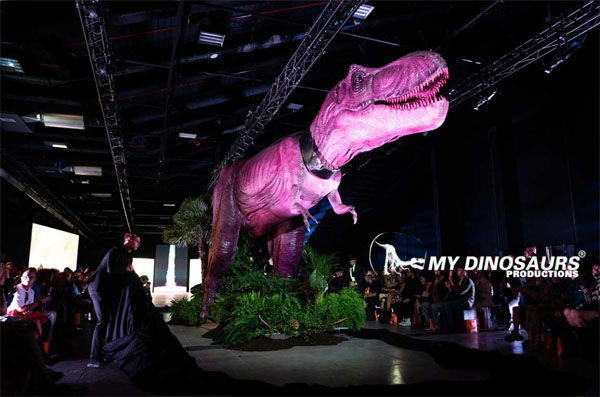
In today’s world, creating immersive experiences is essential for engaging audiences. Interactive spaces that incorporate custom animatronics offer a unique way to captivate visitors, blending art and technology to spark curiosity and wonder. These lifelike figures can bring stories to life, enhancing environments in museums, theme parks, and retail spaces.
Designing these interactive spaces involves a careful balance of creativity and engineering. From concept to execution, every detail matters to ensure that animatronics not only entertain but also interact seamlessly with their surroundings. As designers explore innovative solutions, the potential for storytelling and engagement expands, making every visit unforgettable.
Understanding the Role of Animatronics
Animatronics play a vital role in creating engaging interactive spaces. They bring environments to life, offering dynamic experiences that capture attention and stimulate imagination.
What Are Animatronics?
Animatronics refers to the mechanical figures designed to emulate human or animal movements, often equipped with advanced technology for lifelike presentations. These customized animatronic products blend artistry with engineering to enhance storytelling in various venues, including museums, theme parks, and retail environments. Their realistic motions and interactions create memorable moments, fostering connections between the audience and the displays.
Why Customization Matters
Customization of animatronics is crucial for achieving specific thematic goals and audience engagement. Tailored designs ensure that each figure aligns with the environment’s narrative, making experiences unique and immersive. Customized animatronic products adapt to various contexts, enhancing the viewer’s emotional response and maintaining interest. Customized features can range from specific movements to unique visual styles, ensuring a seamless integration into interactive spaces.
Planning for Interactivity
Interactivity is essential in designing engaging experiences with customized animatronic products. Thoughtful planning ensures that user interactions enhance immersion and satisfaction in various environments.
Defining User Experience Goals
Understanding user experience goals is crucial for creating meaningful interactions. Designers identify target audiences and their preferences, allowing for tailored solutions that address specific needs. Goals may include increasing engagement time, encouraging exploration, or providing educational value. Clarity in objectives guides the development of animatronic features and interactions, ensuring alignment with overall storytelling elements.
Types of Interaction
Different types of interaction enhance engagement in interactive spaces. These interactions can be categorized into visual, auditory, and tactile elements. Visual interaction involves stunning animations and lifelike movements of animatronics that attract attention. Auditory interaction incorporates sounds or voiceovers that can convey narratives or instructions. Tactile interaction might allow users to touch or manipulate figures, enhancing the connection with the animatronics. Each type contributes to a holistic experience, promoting memorable encounters for visitors.
Design and Engineering Considerations
Designing interactive spaces with custom animatronics requires meticulous attention to detail, balancing creativity with engineering to achieve effective and engaging displays.
Collaboration Between Disciplines
Collaboration between engineering, design, and storytelling enhances the development of customized animatronic products. Engineers work closely with artists and narrators to ensure that each animatronic aligns with the thematic goals of the environment. Cross-disciplinary communication streamlines the design process, allowing for innovative solutions that enhance storytelling elements in interactive spaces. This collaborative approach not only leads to technical feasibility but also enriches the creative aspects, producing captivating user experiences.
Motion and Realism
Motion and realism are critical in animatronics design. The use of advanced robotics allows for fluid movements that mimic realistic human or animal behavior. Designers program specific animations tailored to each customized animatronic product, ensuring that movements resonate with the environment’s narrative. Implementing sensors and AI technology enhances responsiveness, allowing figures to react interactively to audience engagement. This lifelike presentation captivates visitors, creating a more immersive and memorable experience.
Material Selection
Material selection plays a crucial role in animatronic design. Builders choose materials that balance durability with aesthetic appeal, ensuring long-lasting performance in interactive spaces. Lightweight yet sturdy materials, such as foam or reinforced plastics, allow for intricate designs while facilitating smooth motion. Additionally, surface finishes can be customized to enhance visual realism and align with the thematic elements. Proper material choices not only promote functionality but also contribute to the overall allure of the customized animatronic products.
Technology Integration
Integrating advanced technology is essential for the effectiveness of customized animatronic products in interactive spaces. Robust systems enhance interactivity and immersion, providing experiences that captivate audiences.
Sensor Systems
Sensor systems play a vital role in animatronic interactions. They detect audience presence and movements, triggering appropriate responses from animatronics. Infrared sensors and cameras allow figures to react in real-time, creating an engaging experience. For example, proximity sensors might activate a figure’s movement as visitors approach, promoting user engagement and dynamic storytelling. Integrating these systems ensures that customized animatronic products respond accurately to environmental stimuli.
Control Systems
Control systems manage the movements and behaviors of animatronics. They allow for intricate programming, enabling customized animatronic products to perform complex actions that align with narrative themes. Programmable logic controllers (PLCs) standardize interaction protocols, ensuring seamless operation across multiple figures. For instance, a control system might coordinate synchronized movements among several animatronic characters, enriching the storytelling experience. Effective control systems are crucial for delivering precise and captivating performances.
Sound and Lighting
Sound and lighting enhance the overall effectiveness of customized animatronic products. Integration of audio systems provides narrative context through voiceovers or sound effects, deepening immersion. Lighting fixtures can spotlight figures or create atmospheric effects, drawing audience attention. Additionally, synchronized sound cues and lighting changes integrate seamlessly with animatronic actions, making interactions feel cohesive. This synergy between sound, lighting, and animatronics creates a captivating environment that engages visitors and fosters memorable experiences.
Real-Life Applications
Customized animatronic products find diverse applications across multiple industries, contributing to engaging and immersive experiences for audiences in various settings.
Theme Parks and Attractions
Customized animatronic products play a pivotal role in theme parks and attractions. They enhance rides and shows, bringing stories and characters to life. For example, animatronics can create lifelike animals in safari rides or famous figures in themed attractions. These interactive experiences often include synchronized movements and responsive actions, captivating visitors of all ages.
Museums and Educational Exhibits
Customized animatronic products enrich museum and educational exhibits by transforming learning into an interactive adventure. In historical settings, animatronics can reenact significant events, helping visitors grasp complex narratives. Science centers might use custom figures to illustrate biological processes, while art galleries may feature animated replicas of iconic artworks. This approach encourages exploration and stimulates curiosity among visitors.
Retail and Hospitality
Customized animatronic products also enhance retail and hospitality environments, drawing customers in and creating memorable experiences. Retailers may use animatronics to showcase seasonal themes or promote special events, engaging shoppers through eye-catching displays. In hospitality, animated figures can add to the atmosphere of restaurants or hotels, improving customer interaction. Such integration fosters emotional connections, making visits enjoyable and impactful.
Challenges and Solutions
Designing interactive spaces with customized animatronic products encounters various challenges that demand strategic solutions.
Maintenance and Durability
Maintenance ensures that customized animatronic products function optimally over time. Regular inspections address potential mechanical issues, while environmental factors like humidity and temperature affect durability. Designers implement robust materials that withstand wear, ensuring longevity. Scheduled maintenance programs help identify and resolve issues before they impact performance. Establishing clear maintenance protocols allows for efficient upkeep, preserving the animatronics’ lifelike qualities and overall engagement potential.
Safety and Accessibility
Safety remains a top priority in spaces featuring customized animatronic products. Rigorous safety standards guide the installation, ensuring stability and secure operation. Moreover, accessible designs cater to diverse audiences, including individuals with disabilities. Integrating adaptive features, such as low-height interactions and assistive technology, enhances usability. Implementing safety measures, like emergency shutoffs and clear signage, mitigates risks, fostering a secure environment for all visitors.
Future Trends in Interactive Animatronics
Emerging trends in interactive animatronics focus on enhanced realism and user engagement. Customized animatronic products increasingly incorporate artificial intelligence, enabling more adaptive and responsive behaviors. Integration of augmented reality allows users to interact in new, immersive ways, blending the digital and physical realms.
Sustainability gains attention, with manufacturers opting for eco-friendly materials while maintaining aesthetic quality. Collaborative storytelling becomes vital, as creators design narratives that span multiple platforms, fostering deeper connections. Automated maintenance systems may simplify upkeep, streamlining the longevity and functionality of customized animatronic products.
Conclusion
The evolution of interactive spaces through custom animatronics offers endless possibilities for engagement and storytelling. By merging creativity with advanced technology designers can craft experiences that resonate deeply with audiences. The thoughtful integration of animatronics not only captivates but also fosters emotional connections that enhance the overall atmosphere of any environment.
As trends shift towards greater realism and interactivity the future of animatronics looks promising. With innovations like artificial intelligence and augmented reality on the horizon the potential for creating even more immersive experiences is vast. Embracing these advancements will ensure that interactive spaces remain not just relevant but also profoundly impactful in engaging audiences for years to come.













