Health First APRN Christi Forster Discusses Why Over-the-Counter Feminine Products Often Make Symptoms Worse
By Space Coast Daily // January 31, 2026
Women’s Health ‘A Delicate Ecosystem’

Health First APRN Christi Forster urges women to skip scented wipes and washes and seek proper GYN care to protect the body’s natural balance.
BREVARD COUNTY, FLORIDA — If there’s one thing Christi Forster wants you to know, it’s that over-the-counter (OTC) feminine products that tout “freshness” usually do more harm than good.
Yes, those wipes, washes, scented pads and other OTC products shouldn’t be your go-to when it comes to feminine health issues.
“Pretty much every time a woman comes in with a problem, she’s already tried an over‑the‑counter product or two, and nothing’s working,” explained Forster, an APRN specializing in gynecology with Health First Medical Group. “We shouldn’t be the last resort — we should be the first line so we can address the symptom and nip it in the bud.”
It’s not uncommon for women to try to treat self-irritation with OTC products. The problem is, pick the wrong product, and you might just worsen the issue. It’s not so much that these products are “bad,” Forster said. But if you pick the wrong thing, you could be treating the wrong issue – and intensifying your symptoms.
“A classic example is someone with a yeast infection who gets an antibiotic in urgent care,” Forster said. “You’re cleaning out all the good bacteria and making the infection worse.”
Women’s Health ‘A Delicate Ecosystem’
Forster considers feminine health to be part of a “delicate ecosystem.”
“Any sort of disruption, even minor, can cause the whole system to fall apart,” she said. “These products alter the pH. They kill good bacteria. And when the good bacteria is gone, the fungal comes out to play – that’s why we get yeast infections.”
Common irritants include douching and scented products. These can disrupt the body’s natural balance. It’s best to avoid spraying anything on sensitive areas. When it comes to lubricants, choosing options with fewer ingredients is usually gentler.
It’s important that women are familiar with their bodies – and know when something’s off. Any kind of unusual scents shouldn’t be ignored.
“That’s a sign of pH imbalance,” Forster said. “If you have itching, discharge or pain, that’s when a swab from your GYN really matters.”
Don’t try to self-diagnose with OTC tests. They tend not to be reliable.
“Sometimes you can have bacterial vaginosis, sometimes a yeast infection, sometimes both,” Forster said. “How do you know which is which? You don’t — unless you come in for testing.”
Keeping Things Simple
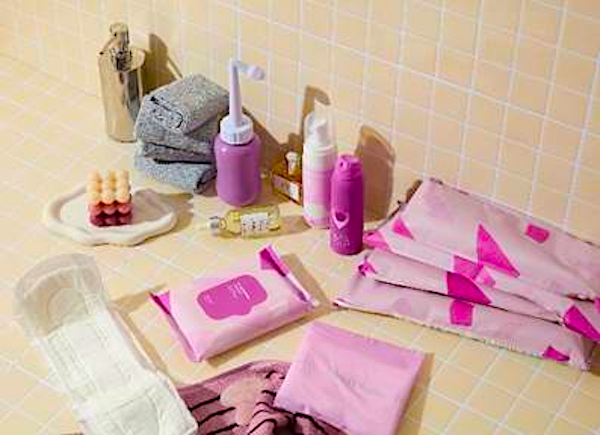
You don’t have to completely discount the feminine health section of your favorite store. Just know which products are safer to use – such as pH‑balanced unscented washes, water‑based lubricants and probiotics.
“If you really need soap, one bottle of a pH‑balanced, fragrance‑free wash should last you a whole year,” Forster said. “You only need a pea‑sized amount diluted with water.”
Some patients can benefit from boric acid suppositories to restore their pH, but these, too, must be free of fragrances and other extras. Another good way to ward off feminine hygiene issues?
“I highly suggest a good women’s probiotic,” Forster said. “It’s better than not taking any at all.”
Hygiene Habits That Matter
There are also ways to prevent potential hygiene issues that most women probably don’t even think about:
■ Don’t sit in wet swimsuits: “After the beach or the pool, you really should rinse,” Forster said. “You don’t want that moisture trapped in there, which can cause infections.”
■ Shaving smarts: “You’re really supposed to use a brand‑new razor every time you shave” the bikini area, Forster said. “Razors harbor bacteria and can cause folliculitis, boils, or infections.”
■ Considerations for perimenopause and menopause: Decreased estrogen does more than introduce hot flashes and mess with the mind. Lowered amounts of the hormone make women “more prone to infections, dryness, and pain during intercourse.” The right water‑based lubricant can help.
Forster said regular checkups are a must. And if you’re having issues, don’t turn to Dr. Google.
“If you have any issues, you should be able to be seen by your GYN provider,” Forster said. “Just go see your GYN.”
Christi Forster is an APRN specializing in gynecology at Health First Medical Group-Gateway. She is passionate about advocating for women’s health and educating patients.