Why Barcelona’s Luxury Property Market Continues to Attract International Buyers
By Space Coast Daily // August 17, 2026
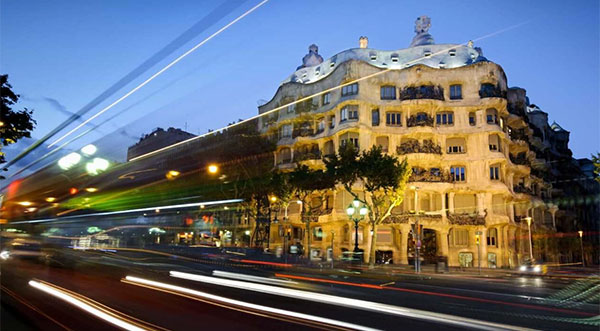
Barcelona has spent decades building a reputation that most cities can’t manufacture: Mediterranean climate, architectural weight, a functioning economy, and a cultural life that doesn’t feel forced. That combination is why international buyers keep arriving, and why the luxury end of the market has held up through regulatory changes and price increases that would have slowed other cities down.
That said, buying well here requires knowing the city at street level, not just by district name. Whether the goal is a primary residence, a periodic base, or a long-term asset, the decision-making process looks different depending on what you’re actually optimising for.
How the luxury market is structured in Barcelona
The top end of Barcelona’s market covers a wide range of property types: restored modernista apartments, penthouses with city or sea views, large family houses in quieter residential areas, and contemporary waterfront developments. What they share is limited supply in locations where new development is either restricted or impossible.
Eixample draws buyers looking for period architecture at the centre of the city. Its wide boulevards and UNESCO-listed buildings give it a scarcity that newer districts can’t replicate. Further up the map, Sarrià-Sant Gervasi, Pedralbes and Les Corts attract a different profile: buyers who want space, good international schools, and lower density without leaving the city. The Gothic Quarter and El Born appeal to those who want a home with history in a walkable, culturally dense environment. Diagonal Mar is the option for buyers focused on contemporary waterfront stock with modern amenities.
Each of these areas has its own price logic, its own buyer profile, and its own resale dynamics. Treating them as interchangeable because they all appear under “Barcelona luxury” is how buyers end up in the wrong property.
What international buyers need to have in order
The paperwork side of a Spanish purchase is straightforward once you know what’s required. Foreign buyers need an NIE number, the identification number for non-nationals that underpins every legal and administrative step of the transaction. A Spanish bank account is also standard for completing the purchase.
If financing through a Spanish lender, expect the bank to assess income, assets, existing credit obligations and residency status. Most lenders will finance up to 70% for non-residents. Independent legal advice before signing anything is worth the cost: due diligence on title, charges and urban planning status should be done before the private purchase contract, not after.
A buyer looking for a family home will weight schools, transport links and neighbourhood feel heavily. An investor will focus on rental demand, stock scarcity and long-term price trajectory. The process is the same, but the criteria that drive the decision are different, and conflating the two leads to poor choices in either direction.
Working with a local agency like Real Estate Agency Barcelona is particularly useful for buyers who don’t yet know the city’s neighbourhoods from the inside. The difference between a good street and an average one within the same district isn’t visible on a map, and it can matter considerably to both liveability and resale value.
What the market looks like from here
Barcelona’s luxury market is not uniform, and that’s the point. Historic apartments, waterfront penthouses, family houses in residential districts and central pied-à-terre options all exist within a few kilometres of each other, each with a distinct buyer base and a distinct set of reasons to hold value. The buyers who do well here are the ones who take the time to understand which of those they’re actually buying into, rather than chasing a postcode because it sounds right.