Piles of Seaweed or ‘Wrack’ Have Washed Up onto Space Coast Beaches
By Space Coast Daily // July 27, 2020
Beach 'Wrack' is Valuable Natural Resource, Prevents Beach Erosion, Benefits Turtles and Shorebirds

BREVARD COUNTY, FLORIDA – Piles of seaweed or “wrack” have washed up onto Space Coast beaches. Sargassum is a brown seaweed that floats in the ocean and is washing up along the east coast of Florida in large amounts.
Sargassum provides an important habitat for migratory organisms that have adapted specifically to this floating algae including crab, shrimp, sea turtles, and commercially important fish species such as tuna and marlin.
The beach wrack is a natural occurrence that is made up mostly of the alga sargassum and contains many small plants and animals that provide the base of an important coastal food web.
The wrack is also a valuable resource that catches and traps windblown sand and helps prevent beach erosion.
Many visitors travel to Brevard County each year just to beach comb and collect sea beans from the wrack line.
In fact, the International Sea-Bean Symposium and Beachcombers’ Festival is an annual event that is held each October in Cocoa Beach.

“The beach wrack is a reason why the Space Coast is such a great place for families to take their kids,” said Peter Cranis, Executive Director of the Space Coast Office of Tourism.
It becomes a rich food source for birds, crabs and other wildlife.
And it is one of the reasons we are the number one place in the U.S. for sea turtle nesting.
A lot of destinations believe they are doing a service to their visitors by “cleaning” their beaches of seaweed, but we take a different approach that is more eco-friendly and at the end of the day actually provides a greater vacation experience.”
Unlike many other areas of Florida, Brevard County’s beaches host tens of thousands of endangered sea turtle nests each year with the majority of those occurring south of Patrick Air Force Base.
Additionally, the southern 20 miles of Brevard County’s beaches are within the boundaries of the Archie Carr National Wildlife Refuge which hosts the largest living population of loggerhead and green sea turtles in the United States.
In 2016, there were 22,161 sea turtle nests recorded in the Refuge which equates to an average of more than 1,000 nests per mile.
After leaving the beach, small post-hatchling sea turtles take refuge and float in the sargassum in surface currents offshore.
During and after storm events, these turtles are often blown ashore in the sargassum and end up on the beach as “washbacks” hidden in the wrack line.
In the fall of 2007, over 1,000 protected sea turtle “washbacks” were rescued by volunteers from the wrack line in Brevard County.
This prompted the Sea Turtle Preservation Society to recruit and train a volunteer network that respond and comb the wrack line in search of hatchlings each time the wind and surf conditions cause a washback event along our shoreline.
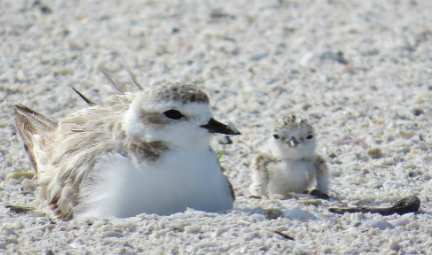
Brevard County’s beaches also host protected shorebird populations that forage in the wrack line while resting and nesting.
In summary, Brevard County does not remove the wrack line from our beaches because it provides valuable ecosystem benefits.


CLICK HERE FOR BREVARD COUNTY NEWS