10 Most Common Mistakes When Installing a Solar System
By Space Coast Daily // November 19, 2022
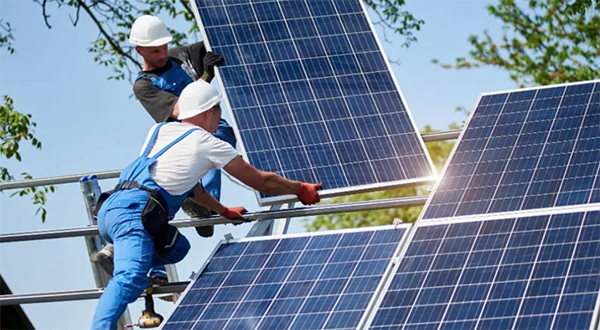
Installing a photovoltaic system is a big investment, and the installation must be done correctly to get the maximum benefit from your system.
This blog post examines the 10 most common mistakes when installing and commissioning a solar system. We also give tips on avoiding making these mistakes so you can get the most out of your solar panels!
Common mistakes in photovoltaic systems
1. Too much shade
One of the most common mistakes is installing the solar powered generator system in an area that is too heavily shaded. This can reduce system performance by up to 30%. Before you install your panels, check if there are any trees, buildings, or other objects that cast shadows.
2. Guarantees taken into account
To be able to determine the long-term profitability of the PV system, it is important to be able to plan with a fixed cost rate. This enables extensive manufacturer guarantees and warranty extensions.
Also, consider the assembly costs in the case of a warranty claim.
3. Incorrect installation of the solar system
When you install small solar panels, you need to make sure it’s mounted securely and accurately. Installing the panels at an angle can reduce performance by up to 25%. Make sure your installer knows how to install the system properly.
4. Improper wiring
The wires are not properly connected and may cause electric shock or fire. Therefore, important that your PV system is properly grounded. Your installer should be able to help you with this.
5. Lack of insulation
When installing a photovoltaic system, it is important that the wiring is done correctly and that the system is well insulated. The wires are not properly connected and may cause electric shock or fire.
And if the installation isn’t properly insulated, the efficiency of the solar panels can decrease, reducing the amount of energy they produce.
6. Insufficient high inverter power
To calculate the right inverter power, you first need to know the maximum power of your solar panels under unfavorable conditions. If the inverter is too small, it becomes a bottleneck for the system and lowers its overall efficiency.
To avoid this mistake, you should check the data sheets of your solar panels and inverters. Most manufacturers of solar modules specify the maximum power output of their modules at different temperatures in their data sheets.
Choose a pure sine wave inverter with a higher power rating than the sum of the maximum power of your panels to ensure it can handle whatever your system throws at it.

7. Overestimation of production capacities
Several factors need to be considered when estimating the amount of electricity a photovoltaic system will produce. These factors include the orientation of the solar panels, the tilt of the solar panels, the amount of shadow on the panels, and the efficiency of the solar panels.
Many people overestimate the production capacity of their facility, which can lead to disappointment when the facility doesn’t produce as much electricity as expected.
To avoid this mistake, it is important to have realistic expectations of the production capacity of your photovoltaic system. You can use online tools to estimate your facility’s production capacity based on the factors above.
Once you have an estimate, you can compare it to your facility’s actual performance over time to get a better idea of its production capacity.
If you find that your system is not producing as much electricity as you expected, there are several ways to improve its performance. These include adding more solar panels or increasing the incline of the solar panels.
8. Not obtaining permission from the local authority
If you want to install a solar system, you need a permit from the local authority. This is because installing solar panels is considered a construction project.
Therefore, you must follow the same rules and regulations as any other construction project. Failure to do so can result in fines or even the removal of your solar panels.
You should obtain all necessary permits before installing your PV system to avoid this mistake.
The process for obtaining a permit may vary by location. It is, therefore, best to check with your local authorities what is required.
9. Use of an inferior PV system
When installing a PV system, it is important to use a quality system that will last many years. Some inferior systems will not withstand the weather conditions in your area or will not be as efficient as a quality system. Find out about the different types of PV systems and choose the one that best suits your needs.
10. Disregard edge distances
When installing a photovoltaic system, it is important to observe the edge distances of the solar modules.
This means that there must be a certain distance between each module and the edges of the roof or the surface on which they are mounted. If this distance is not maintained, the modules may not perform optimally.
Shading can occur if the distance between the modules and the roof’s edge is insufficient.
To avoid these problems, you should follow the manufacturer’s recommendations for edge spacing. This way, you ensure that your system works optimally and you do not have any unexpected costs or accidents.
Tips to avoid mistakes when installing your photovoltaic system
Now that we’ve looked at some of the most common mistakes let’s talk about how to avoid them.
Thorough research
Make sure you understand the basics of solar energy before deciding to invest. So you know what to look out for and what to avoid.
Don’t save at the wrong end
Don’t be tempted by low prices. As is so often the case, the devil is in the details. So when choosing your photovoltaic installer, consider not only the price but also guarantees and the scope of services as well as the quality of the solar modules.
Read the reviews
Check out online reviews of solar companies before deciding on one. This will give you an idea of the quality of work and customer service.
Ask questions
Don’t be afraid to ask questions. If you don’t understand something, you should ask for clarification. The more information you have, the better decisions you can make.
Use battery storage
With storage for the generated solar power, you can not only make your PV solar system more efficient and live more independently but also increase the financial profitability of the system. Generally, 12V off grid solar system is most common use, But maybe the 48v lithium ion battery system is the future.
Conclusion
We hope you enjoyed this article and are spared the unpleasant long-term consequences of improper PV system installation. With a – correctly installed – energy-efficient photovoltaic system, we can help to avoid problems right from the start.