How Sports Make Students Better at Managing Time
By Space Coast Daily // November 29, 2023
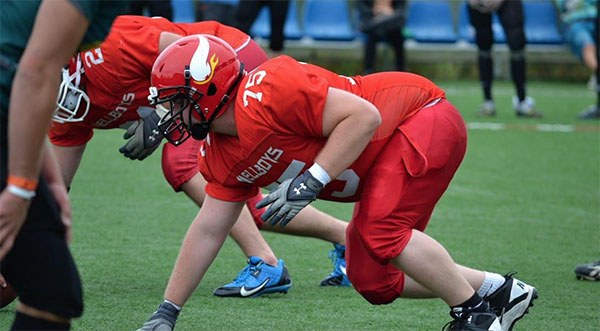
Time management is an invaluable skill for students aiming to excel academically. Juggling classes, assignments, extracurriculars, and personal commitments can be daunting.
However, participation in sports offers more than just physical fitness; it instills crucial time management and organizational skills that can significantly benefit students in their academic pursuits. Let’s delve more into how sports instill time management in students.
Balancing Commitments
Participating in sports demands more than just showing up for practice or a game; it requires a deep commitment. Whether on the soccer field, basketball court, or track, the dedication required teaches you a crucial lesson in balancing commitments.
Imagine a student who is not only acing their classes but is also a dedicated member of the school’s volleyball team. Every day for them is a careful juggling between hitting the books and hitting the ball over the net. They become a maestro of time management, from coordinating study sessions with teammates to squeezing in time for gym after school.
This balancing act doesn’t just stop at dividing time between sports and academics; it extends to social and personal commitments. A student learns to prioritize, for instance, deciding, “I should finish writing my papers and then do a solo practice.” This delicate balance becomes a foundation for future endeavors as the student navigates the complexities of life with the poise of a seasoned multitasker.
Setting and Achieving Goals
Every sprint, throw, and goal in sports is a testament to the power of setting and achieving goals. Take, for instance, a student who is a passionate track and field enthusiast who not only dreams of reaching the finish line first but understands the meticulous planning required to get there.
Sports instill in students the significance of setting goals – realistic, achievable objectives that act as stepping stones to larger victories. When students aspire to shave a few seconds off their 100-meter dash time or increase the height of their high jump, they engage in a process beyond the track. They are learning the art of goal-setting, a skill that profoundly impacts their academic pursuits.
Just as they meticulously plan their training sessions, students apply the same strategy to their studies. Instead of viewing their academic journey as an insurmountable mountain, they break it into manageable, climbable hills. Each assignment and each project becomes a milestone, a mini victory on the path to academic success.
Prioritization and Time Allocation
The demands of sports often mean that athletes must juggle various tasks within a limited timeframe. From squeezing in a quick practice session before school to hitting the gym after a late-night study session, students learn to allocate their time strategically.
In the journey of sports, prioritization is not just about managing time; it’s about understanding the significance of each task in the larger context of personal growth. Students with basketballs in hand and textbooks in backpacks evolve into adept decision-makers, capable of navigating the complexities of academic life with finesse. They grasp the subtle art of saying “no” to immediate gratifications when the long-term goal demands focus.
The connection between sports and academic success becomes crystal clear through the lens of prioritization and time allocation. The lessons learned on the court about managing time effectively and making informed choices become invaluable tools for students, shaping them into individuals who excel in sports and navigate their academic journey with a keen sense of purpose and efficiency.
Stress Management
Stress is among the main reasons a student would find it difficult to complete an assignment and instead look for an essay to buy. Sports help combat such challenges by teaching athletes breathing techniques, mental exercises, and coping mechanisms. A student’s ability to maintain composure during a tense swimming race or any other sport becomes valuable when navigating the stressful waters of exams and deadlines. The capacity to stay focused, even under the weight of expectations, is a skill that transforms the academic journey from a stressful ordeal to a series of challenges waiting to be overcome.
Through sports, students become adept at embracing stress as a natural part of growth. They don’t shy away from challenges but develop the mental fortitude to face them head-on. The pool, the track, and the field become more than places of physical activity; they morph into arenas where stress is not an obstacle but a catalyst for personal and academic development.
Stress management becomes a vital bridge in the synthesis of sports and academia. The lessons learned while navigating the pressures of sports become a playbook for students, guiding them through the rigors of academic life with resilience, grace, and a deep understanding that stress is not a hindrance but a stepping stone toward personal and academic triumphs.

Teamwork and Collaboration
Collaboration in sports isn’t just about passing a ball; it’s about effective communication, understanding each team member’s strengths, and collectively striving for a common goal. This harmony becomes a cornerstone for success, not only in sports but also in academic endeavors. With their experience in team sports, students become adept at fostering an environment where diverse ideas are valued, and collective achievements take precedence over individual glory.
In the context of academics, teamwork is often the linchpin of success. Group projects, presentations, and collaborative learning environments mirror the dynamics of a sports team. Students who have honed their collaborative skills on the field bring a unique flair to group assignments, understanding that true success is not a solo act but a collective effort.
The connection between sports and academic success becomes evident under the lens of teamwork. The ability to collaborate, communicate effectively, and leverage individual strengths for the greater good isn’t just a byproduct of sports participation; it’s a lesson that transforms students into not just academically successful individuals but future professionals who understand the true power of collaboration in any endeavor.
Final Thoughts
Participation in sports offers a holistic learning experience beyond physical activity. The time management and organizational skills acquired through sports are pivotal in shaping a student’s academic success. Therefore, integrating sports into a student’s life promotes physical well-being and equips them with essential life skills crucial for excelling in their academic pursuits and beyond. Thus, sports should be recognized for their physical benefits and profound impact on nurturing well-rounded individuals capable of efficiently managing various aspects of their lives.