
Everything You Need to Know About Direct Deposit
By Space Coast Daily // January 18, 2024
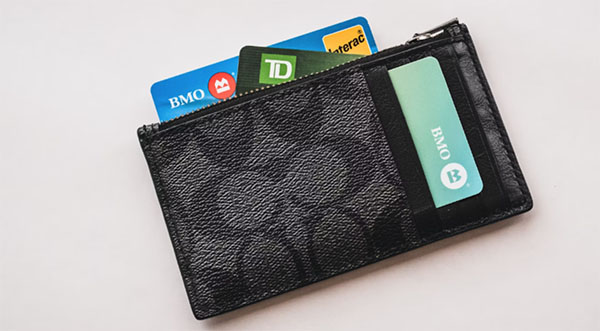
In recent years, direct deposits have become a convenient method for sending and receiving payments and managing your finances in daily life.
Whether it’s payroll, government benefits, tax refunds, or other payments, direct deposit offers a secure and efficient way to transfer funds directly into another person’s bank account.
If you are looking to utilize this method of sending and receiving payments, you will need to know more about how a direct deposit works. We have curated this brief guide to provide you with in-depth understanding of direct deposit, its benefits, and the security measures associated with it.
Keep reading to find more insights.
What is Direct Deposit?
Direct deposit is an electronic payment method that enables the transfer of funds directly from a payer to a recipient’s bank account. Instead of issuing paper checks, payments are electronically deposited into the designated account. This method allows for swift and secure transactions.
And because the funds in a direct deposit are transferred electronically, the funds are deducted and credited automatically. This way, you don’t need to wait for the money to be cleared. A direct transfer can be used for paychecks, tax refunds, and other transactions.
Benefits of Direct Deposit
According to SoFi, “Direct deposit is a form of electronic payment. It eliminates the need for a physical deposit, like a paper check. Instead you receive the money directly into your checking and savings account.” Direct deposit offers multiple benefits to both recipient and sender. These include no transaction fee, small processing time, and a direct deposit bonus. These things improve user experience. Below are some of the benefits of a direct deposit:
- Convenience and Time-Saving: Direct deposit eliminates the need for physical check handling, which reduces trips to the bank and waiting in lines for depositing checks. Funds are directly credited to the account and improve convenience.
- Improved Security: This type of electronic transfer minimizes the risks associated with paper transactions, such as loss, theft, or forgery. This is done by securely transferring funds electronically.
- Faster Access to Funds: You can enjoy immediate availability of funds on the scheduled payment date. This allows quicker access compared to traditional paper checks.
- Automation of Payments: Using a direct deposit, you can schedule automated bill payments, savings contributions, and recurring payments. This approach streamlines financial management for individuals and businesses.
How Direct Deposit Works
A direct deposit follows a strategic approach to send money to the recipient’s account. To do this, you will first need to collect all the banking information of individuals or employees. After this, you will need to set up direct deposit through a chosen payroll system or financial institution.
While doing this, it is important to get written authorization from your employees and enter their accurate bank details into the system. When all this is completed, employers or payers will initiate payments by transferring funds electronically to the designated accounts on scheduled payment dates.
This concludes the direct deposit process. You should remember that while most direct deposits are completed using bank accounts, you can also use online banking and transfer funds via a direct deposit using a smartphone or computer.
For example, if you need to send money to a family member, all you will need to do is get that person’s email or phone number or banking information. Once you send the money, it is deposited directly into the payee’s account.
Security Measures and Consumer Protections
Direct deposits are considered fully secured and safe transactions that provide users with peace of mind. These transactions are protected by end-to-end encryption. Whether it’s a bank or a credit union, financial institutions use robust encryption techniques and methods to ensure secure transmission of customers’ sensitive data.
Along with this, direct deposit accounts at federally insured banks are protected up to a certain amount by the Federal Deposit Insurance Corporation (FDIC) or National Credit Union Administration (NCUA). This provides your money with the required security it needs.