
Intersection Design Innovations: Reducing Car Accident Rates
By Space Coast Daily // January 24, 2024
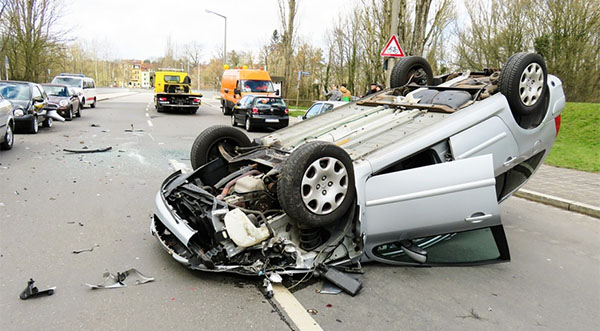
In our fast-paced world, ensuring road safety is a priority for both drivers and pedestrians. For residents of Oroville, California, the design and layout of intersections play a major role in achieving efficient traffic flow.
Thankfully, there have been several advancements in intersection design that prioritize safety while minimizing the chances of such accidents in the city. By incorporating design elements into intersection planning, we can make reducing car accident rates in Oroville an achievable objective.
1. Embracing Roundabouts:
One effective innovation in intersection design that helps reduce car accidents is the roundabout. Unlike intersections controlled by stop signs or signals, roundabouts focus on maintaining traffic flow and eliminating dangerous crossing movements that often result in collisions. Roundabouts offer several advantages over intersections. Their circular configuration encourages drivers to reduce speeds and provides sight lines, which improves anticipation and minimizes the risk of T-bone or head-on accidents. Additionally, vehicles entering a roundabout must yield to others, eliminating high-speed conflicts with traffic, which can ultimately prevent individuals from being involved in a car accident in Oroville.
2. The Concept of Protected Intersections:
Taking inspiration from planning principles, protected intersections are gaining popularity in North America as an innovative solution to lower car accident rates at busy junctions. This concept involves creating designated spaces and physical barriers to separate bicyclists and pedestrians from motor vehicle traffic. Protected intersections often incorporate features to enhance safety for cyclists and pedestrians. One common feature is dedicated bicycle lanes that continue through the intersection, either running behind or alongside the general vehicle lanes. Raised bike boxes are also used to allow cyclists to make turns safely by positioning them ahead of cars while waiting at red lights. These design elements not only improve visibility for drivers but also increase awareness of non-motorized users, ultimately reducing the risks associated with conflicting movements.
3. Pedestrian-friendly Design Elements:
Some of the most common pedestrian-friendly intersection design elements include the following:
- Countdown Timers: Displaying the remaining time before a signal changes helps reduce pedestrian haste and encourages safe crossing. Pedestrians can make decisions about when it’s safe and appropriate to cross, consequently lowering jaywalking in Colorado incidents.
- Accessible Crosswalks: Well-defined and highly visible crosswalks equipped with signage provide pedestrians with designated spaces for safe navigation. Additional accessibility features like ramps for those with mobility challenges and audible signals for impaired individuals further enhance safety.
- Marked Pedestrian Islands: Implementing pedestrian islands or safety zones at block crossings can significantly improve their safety.
These design considerations prioritize the well-being of all road users, making intersections safer and promoting a healthy coexistence between vehicles, bicycles, and pedestrians. These elevated platforms serve as a safe space for pedestrians, preventing them from having to cross lanes of traffic simultaneously and reducing their exposure to potential dangers.
4. The Impact of Intelligent Transportation Systems:
Intelligent Transportation Systems (ITS), which are technology-driven solutions, are making contributions to improving intersection safety:
- Adaptive Traffic Signal Control: Adaptive signal control systems prioritize traffic movements dynamically by using real-time data such as traffic volumes, intersection geometry, and traffic signal plans. This flexibility helps maintain traffic flow, reduces accidents caused by congestion, and enhances intersection efficiency.
- Pedestrian Detection Systems: In areas or intersections with a high number of pedestrians, advanced sensor technologies detect pedestrian movements in curbside waiting areas. Thanks to the integration with traffic signals, these systems extend pedestrian walk times based on the number of people waiting while ensuring a smooth flow of traffic and pedestrians.
Conclusion
As we strive for efficient road infrastructure, the implementation of intersection designs plays a crucial role in reducing car accident rates. Engineers continuously explore solutions that align with our evolving mobility needs by incorporating protected intersections and roundabouts, enhancing pedestrian design elements, and utilizing transportation systems. By prioritizing safety rather than convenience and embracing these design advancements as a whole, we are creating an environment where accidents are minimized, and travel experiences become less stressful for everyone on the road. Together, we can work towards a future where intersections no longer evoke fear but instead provide a sense of knowing that their design ensures our safety.















