
Balancing Act: Integrating Holistic Practices For Men’s Optimal Well-Being
By Space Coast Daily // February 29, 2024
Men’s health has traditionally focused on physical aspects like treating injuries or managing chronic conditions. However, achieving optimal well-being requires a broader perspective.
This article explores the concept of holistic well-being, which considers all aspects of a man’s life—physical, mental, emotional, and social. While men are often expected to be the strong and silent type, societal pressures can contribute to neglecting their own well-being. This article delves into the benefits of integrating various holistic practices into daily life, aiming to empower men to prioritize their own health and happiness.
The Need for Holistic Practices in Men’s Well-Being
Men’s well-being extends far beyond physical health. It encompasses mental, emotional, and social aspects that, when balanced, contribute to a fulfilling life. While statistics show men face higher rates of specific health concerns, such as high stress, cardiovascular disease, and depression, traditional approaches may not always address the root causes of these issues.
Here’s where the power of kinesiology comes into play. This holistic therapy focuses on the connection between movement, exercise, and body mechanics, potentially benefiting various health concerns men face. By understanding how movement affects the body and mind, kinesiology can offer additional tools to complement existing health strategies. Traditional approaches often prioritize singular aspects of well-being, which can limit their effectiveness in addressing the complex and interconnected nature of men’s health.Exploring Different Holistic Practices
Building a holistic approach to well-being involves incorporating practices that address various aspects of your life. Here are some examples:
Physical:
- Exercise: Engaging in regular physical activity, like yoga, martial arts, or strength training, can improve energy levels, manage weight, and boost overall physical health.
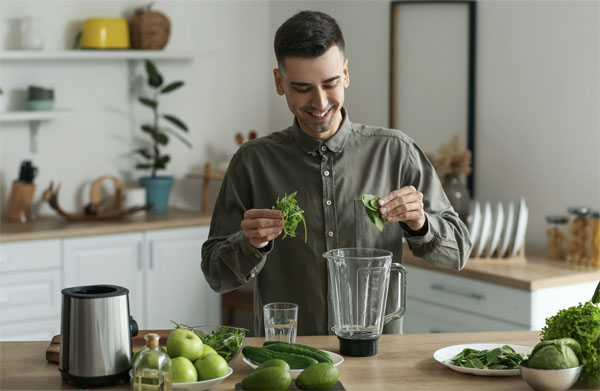
- Healthy Eating: Choosing nutritious and balanced meals rich in fruits, vegetables, and whole grains provides your body with the essential nutrients it needs to function optimally.
- Sleep Hygiene: Establishing healthy sleep habits, like maintaining a consistent sleep schedule and creating a relaxing bedtime routine, is crucial for physical and mental well-being.
Mental and Emotional:
- Meditation: This practice involves focusing your attention and calming your mind, helping to manage stress, improve focus, and enhance emotional regulation.
- Mindfulness Techniques: Techniques like mindful breathing can increase self-awareness, improve emotional control, and reduce anxiety.
- Journaling: Writing down your thoughts and feelings can be a valuable tool for self-reflection, processing emotions, and gaining a better understanding of yourself.
Social:
- Building Healthy Relationships: Nurturing meaningful connections with friends, family, and loved ones provides a sense of belonging, support, and social interaction.
- Joining Supportive Groups: Participating in groups related to shared interests or hobbies can foster a sense of community and belonging.
- Engaging in Community Activities: Volunteering or becoming involved in your local community can provide opportunities for connection, purpose, and positive social interaction.
Remember, the key is to find practices that resonate with you and fit seamlessly into your lifestyle. Don’t be afraid to experiment and explore different options.
Integrating Holistic Practices into Daily Life
Incorporating comprehensive habits into your everyday routine can be manageable. Here are some tips to get started:
- Start small: Begin with one or two practices that seem manageable and gradually build upon those habits.
- Find a rhythm: Integrate chosen practices into your existing routine. For example, try adding a short meditation session before bed or fitting in a quick yoga session during your lunch break.
- Listen to your body and mind: Pay attention to how different practices affect you. Adapt or adjust chosen practices as needed to fit your individual needs and preferences.
- Don’t be afraid to experiment: There’s no single ‘right’ way to incorporate holistic practices. Explore different options and find what works best for you.
There will be days when you miss a meditation session or fall off the healthy eating wagon. Don’t beat yourself up—instead, focus on your progress and celebrate your successes.
 Conquering Challenges and Building Support
Integrating new practices into your routine comes with its share of challenges. Time constraints, societal pressures, and even self-doubt can act as roadblocks on your path to well-being. Here’s how to navigate these obstacles:
- Acknowledge the hurdles: Recognizing the challenges you face is the first step to overcoming them. Whether it’s carving out time for exercise or facing societal expectations about masculinity, acknowledging these hurdles empowers you to find solutions.
- Seek support: You don’t have to embark on this journey alone. Talk to a trusted friend, family member, or therapist about your goals and challenges. Consider joining online communities or local support groups focused on men’s well-being, where you can connect with others on a similar path and share experiences.
- Embrace professional help: If you’re struggling with specific mental or emotional challenges, seeking professional help from a therapist or counselor can be immensely beneficial. They can provide tools and strategies to navigate complex issues and support you in achieving your well-being goals.
Whether it’s a close friend, a therapist, or an online community, having a network of individuals who understand your journey and offer encouragement can make a significant difference in your success.
The decision to prioritize your well-being is an investment in yourself. It empowers you to not only live a longer life but also a richer, more fulfilling one. By taking these initial steps, you pave the way for a more balanced and vibrant future, one practice at a time.