
How AI Is Being Used in Online Gaming
By Space Coast Daily // March 20, 2024
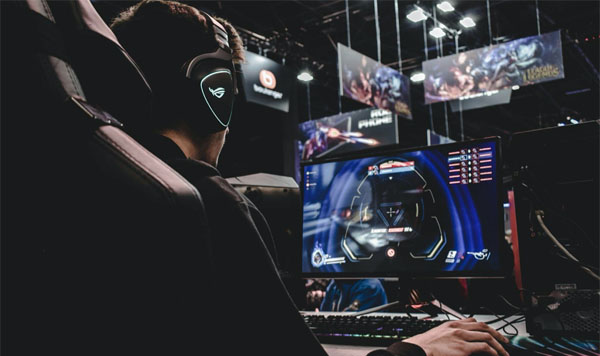
In the world of gaming, artificial intelligence (AI) is revolutionising the way players interact with virtual environments. From enhancing NPCs’ behaviours to optimising game strategies, AI is becoming an integral part of the gaming experience.
Let’s delve into the various ways AI is transforming the gaming landscape.
NPCs with Lifelike Behaviours
AI in gaming refers to the use of algorithms and computational processes to simulate intelligent behaviour within virtual environments. One of the most prominent applications of AI in gaming is the creation of non-player characters (NPCs) with lifelike behaviours. These NPCs can adapt to players’ actions, making gameplay more immersive and challenging. Imagine wandering through a virtual world populated by NPCs that react realistically to your presence, providing a dynamic and engaging gaming experience.
Adaptive Game Difficulty
Another area where AI is making significant strides is in adaptive game difficulty. Traditionally, game difficulty levels are static, offering the same level of challenge to all players. However, with AI, game developers can implement systems that adjust the difficulty based on the player’s skill level and performance. This ensures that players are constantly challenged without feeling overwhelmed or bored. Whether you’re a novice or a seasoned gamer, AI-powered adaptive difficulty systems ensure a tailored and enjoyable gaming experience.
Image Enhancements and AI Upscaling
In the realm of gaming visuals, AI is making significant strides in image enhancements and upscaling techniques. AI algorithms can analyse low-resolution textures and images and intelligently upscale them to higher resolutions, resulting in crisper and more detailed graphics. This not only improves the overall visual fidelity of games but also allows developers to create more immersive worlds without sacrificing performance. Imagine exploring a vast, intricately detailed virtual landscape, where every texture and surface is rendered with stunning clarity, thanks to AI-powered upscaling techniques.
Personalised Gaming Recommendations
AI systems are also revolutionising the way games are recommended to players. By analysing vast amounts of data, including player preferences, gaming habits, and demographics, AI algorithms can offer personalised game recommendations tailored to each player’s unique tastes. This not only helps players discover new games they’ll love but also enables game developers to target their audience more effectively. Whether you’re into action-packed shooters or immersive role-playing games, AI-powered recommendation systems ensure you never run out of exciting gaming experiences to explore.
Procedural Content Generation (PCG)
Procedural content generation is another area where AI is revolutionising game development. By leveraging AI algorithms, developers can generate vast amounts of content, such as levels, environments, and quests, automatically and procedurally. This not only streamlines the game development process but also allows for the creation of infinitely varied and dynamic gaming experiences. With AI-powered PCG, no two playthroughs are ever the same, ensuring that players always have something new and exciting to discover. Whether it’s exploring procedurally generated dungeons or embarking on randomly generated quests, AI-driven PCG adds a new dimension of replayability and immersion to gaming experiences.
AI in Casino Gaming
When it comes to online gambling, the top UK casinos operators are at the forefront of incorporating AI technologies into their platforms. From personalised gaming recommendations to enhanced player safety measures, UK casinos are leveraging AI to offer a superior gaming experience to their customers.
AI is playing a crucial role in ensuring player safety and responsible gaming. AI systems can monitor player behaviour in real-time, detecting signs of problem gambling and providing timely interventions to help them get support. Online operators utilise AI algorithms to analyse player data, identify patterns of risky behaviour, and intervene when necessary. By promoting responsible gaming practices, AI is helping to create a safer and more enjoyable gambling environment for players.
Another application of AI in online casinos is in fraud detection and prevention. AI algorithms can analyse vast amounts of data in real-time to detect suspicious activities, such as fraudulent transactions or account hacking attempts, helping online casinos safeguard against financial losses and maintain the integrity of their platforms.
Finally AI is also employed in customer support services within online casinos. AI-powered chatbots can provide instant assistance to players, answering queries, resolving issues, and guiding them through the gaming experience. These chatbots are equipped with natural language processing (NLP) capabilities, allowing them to understand and respond to player inquiries in a human-like manner, enhancing the overall customer service experience.
AI is playing a multifaceted role in online casino gaming, as technology continues to advance, we can expect AI to become even more integral to the online casino industry, driving innovation and shaping the future of gaming.
Advantages and Disadvantages of using AI
Artificial intelligence (AI) has transformed online gaming, offering enhanced gameplay experiences through dynamic NPCs, personalised recommendations, and improved graphics. AI algorithms create lifelike behaviours for non-player characters (NPCs), adapt game difficulty to player skill levels, and upscale graphics for crisper visuals. Moreover, procedural content generation (PCG) streamlines game development by automating content creation. However, this reliance on algorithms raises concerns about privacy, bias, and fairness. The collection and analysis of player data may compromise privacy, while biased recommendation systems could lead to unequal treatment. Additionally, the potential for exploitation through cheating and hacking exploits poses challenges for developers. Despite these drawbacks, careful implementation of AI can create compelling and responsible gaming experiences, striking a balance between innovation and ethical considerations.
The Future of AI in Gaming
The future of AI in gaming promises to revolutionise the industry, offering players unprecedented levels of immersion and personalization. As AI technologies continue to advance, games will become more lifelike and adaptive, blurring the lines between virtual and reality. AI has the potential to empower the gaming industry by enhancing game design, improving player experiences, and driving innovation. With AI-driven procedural content generation (PCG) and dynamic NPC behaviours, each gaming session will offer a truly unique and personalised experience.
Research by Analytics Vidhya suggests AI will enable developers to create intelligent systems that learn and adapt to player preferences in real-time, shaping the game world around each individual player. Additionally , AI-powered recommendation systems will help players discover new games tailored to their interests, fostering a deeper connection between players and the games they love. In the coming years, we can expect AI to play an increasingly central role in shaping the future of gaming, offering limitless possibilities for creativity, immersion, and innovation.
In conclusion, AI is transforming the gaming landscape in myriad ways, from creating lifelike NPCs to enhancing player safety in online casinos. As technology continues to advance, we can expect AI to play an even greater role in shaping the future of gaming, offering innovative experiences that push the boundaries of what’s possible in virtual worlds. Whether you’re a hardcore gamer or someone who enjoys a casual gaming session, AI-powered features are sure to enhance your gaming experience in ways you never thought possible.















