The Broadened Application of Future Electronic Components
By Space Coast Daily // May 4, 2024

With the continuous advancement of technology, electronic engineering has evolved into a pivotal facet of contemporary society. Traditionally associated with industrial applications, electronic components now find extensive utility in cutting-edge technologies.
As fundamental building blocks of electronic products, the development and deployment of these components play an indispensable role in propelling the progress and innovation within electronic engineering. With the rapid emergence of novel technologies such as artificial intelligence, the Internet of Things, and smart manufacturing, certain electronic components have already begun to witness or are poised for broader applications in the foreseeable future.
- Artificial Intelligence Chips
Artificial intelligence (AI) has emerged as a prominent domain in contemporary discourse, its purview spanning healthcare, financial services, smart manufacturing, intelligent transportation, and beyond. Serving as the bedrock of AI technology, artificial intelligence chips exhibit increasingly expansive horizons. These chips facilitate accelerated execution speeds for machine learning and deep learning algorithms, thereby enabling more efficient data analysis and processing. Anticipated applications of artificial intelligence chips encompass robotics, smart homes, autonomous driving, and speech recognition, positioning them as integral constituents of computer chip technology.
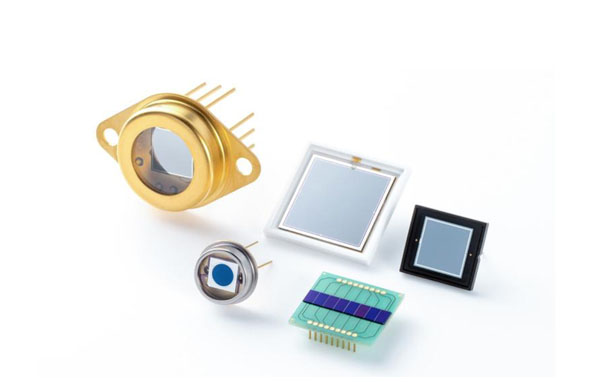
The role of sensors in modern electronic apparatuses has grown in significance, enabling the detection of environmental parameters, physical attributes, chemical compositions, and beyond. In the forthcoming era, sensors are poised to play pivotal roles across domains such as smart cities, intelligent transportation, environmental monitoring, and precision agriculture. For instance, in smart transportation systems, sensors are instrumental in monitoring vehicle and roadway conditions to facilitate intelligent traffic management. Similarly, sensors deployed in precision agriculture systems provide critical insights into soil moisture, temperature, and light levels, thereby optimizing agricultural decision-making and management processes.
- Biosensors
Biosensors, leveraging the specificity of biological molecules for recognition, translate biological responses into electrical, optical, thermal, or mechanical signals. Their applications span medical diagnostics, environmental monitoring, food safety, and beyond, promising extensive utility. For instance, biosensors facilitate the detection of biomarkers within the human body, enabling early-stage disease diagnosis and treatment interventions. In the realm of environmental monitoring, biosensors contribute to the assessment of water quality, air purity, and other critical parameters, thereby safeguarding environmental integrity and human health.
Biosensors possess the capability to discern biochemical, physiological, or biological alterations within organisms, translating them into discernible electrical signals. Moreover, biosensors are adept at monitoring environmental pollutants, bacteria, viruses, and other entities, furnishing real-time environmental surveillance data. Wearable biosensors, for instance, provide continuous monitoring of physiological parameters such as heart rate and blood oxygen saturation, facilitating proactive health management measures. Additionally, biosensors hold promise for drug delivery systems by enabling personalized therapeutic interventions via the monitoring of drug concentrations within patients.
Artificial intelligence chips, quantum devices, flexible electronic devices, innovative storage components, sensors, quantum devices, and biosensors, among other electronic elements, are poised for heightened integration and application in the future. The proliferation of these components is poised to engender transformative shifts in lifestyles and work paradigms while propelling the relentless march of electronic engineering towards new horizons.
- Innovative Storage Components
Driven by exponential data growth, traditional storage methodologies are encountering limitations in meeting escalating demands. Novel storage components, encompassing flash-based non-volatile memories, phase-change memories, and magnetic random-access memories, are poised to address these challenges. Offering superior storage densities, expedited read/write speeds, and diminished power consumption, these pioneering storage solutions are poised to resolve the conundrums associated with big data storage and processing.
- Optoelectronic Devices
As communication technologies advance, optoelectronic devices emerge as indispensable constituents of future communication systems. For instance, fiber optic communication systems necessitate optoelectronic devices for the conversion of optical signals to electrical signals and vice versa. The ubiquitous deployment of cloud computing, the Internet of Things, and 5G technology underscores the pivotal role of quantum devices in facilitating data transmission. Furthermore, optoelectronic devices find applications in diverse realms such as healthcare, security, and aviation.
- Flexible Electronic Devices
Characterized by their malleability and adaptability, flexible electronic devices are poised to shape the future of electronic product development. Witnessing surging demand for slim and versatile electronic products, these devices are poised for integration into wearable gadgets, smart healthcare solutions, and intelligent home appliances, thereby heralding transformative shifts in consumer electronic usage patterns.
Quantum Devices
Quantum devices leverage quantum phenomena to facilitate information processing and transmission. With the maturation of quantum computing and quantum communication technologies, quantum devices emerge as pivotal enablers of future electronic engineering. Quantum computing promises expedited resolutions to challenges hitherto insurmountable by traditional computers, including large-scale data encryption and decryption, molecular and material structure simulations. Quantum communication, meanwhile, augurs faster and more secure data transmission and communication protocols. Consequently, the application prospects for quantum devices are expansive, with far-reaching implications across domains such as computing, communication, and security.