
The Value Of Community Support For Seniors
By Space Coast Daily // June 20, 2024
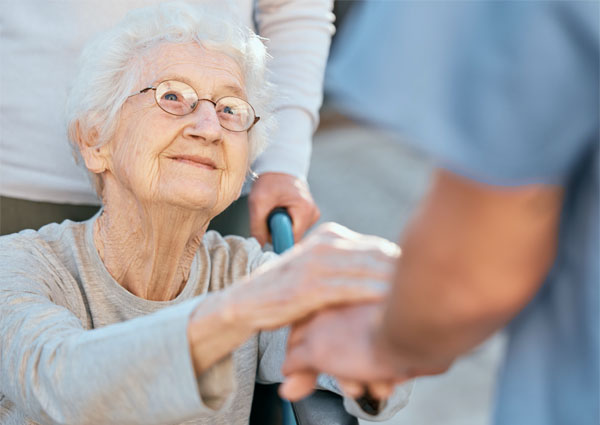
As the global population ages, the importance of community support for seniors becomes ever more critical. Support systems play a crucial role in enhancing the quality of life for the elderly, providing them not just with essential care but also with opportunities for social engagement, emotional support, and active participation in society.
Such support can significantly reduce feelings of isolation and helplessness, and foster a sense of belonging and purpose among seniors.
Enhancing Daily Living
Community support services are crucial for helping seniors manage everyday tasks that may become burdensome as they age.
These services, which include transportation, personal care, and home maintenance, ensure seniors can independently live while safeguarding their health and safety.
HenderCare and other reputable institutions develop specialized programs that cater to the unique needs of the elderly, offering everything from grocery shopping assistance to mobile health care services.
These interventions allow seniors to enjoy a quality of life in their own homes, delaying or even preventing the need for more intensive care solutions.

Access To Healthcare
Community support is integral to providing seniors with consistent access to healthcare. By integrating services such as mobile clinics, telemedicine, and coordinated health services, community centers make it easier for seniors to get regular health screenings, manage their medications, and attend therapy sessions.
These services are critical for the early detection and management of diseases, reducing the severity of health issues through prompt intervention. Enhanced access to healthcare through community support helps improve longevity and the overall quality of life for seniors.
Opportunities For Social Interaction
Seniors often face the risk of social isolation, which can impact their mental and emotional health. Community centers and social clubs play a crucial role in mitigating this by providing venues where seniors can engage with their peers.
Activities such as book clubs, dance classes, and gardening not only foster social interactions but also help seniors develop new skills and hobbies. Regular social engagement helps maintain mental agility and emotional resilience, enhancing the overall well-being of seniors.
Mental Health And Emotional Support
Community centers are essential in providing mental health and emotional support to seniors, helping them navigate the challenges of aging with dignity and resilience.
These centers facilitate various therapeutic activities, including peer-led support groups, professional counseling, and tailored therapy sessions that specifically address age-related psychological challenges such as grief, retirement adjustment, and identity shifts.
Engaging seniors in these supportive settings not only helps diminish the effects of depression and anxiety but also cultivates a community where elders feel valued and understood. Such environments encourage open dialogue and shared experiences, reinforcing a network of support that can dramatically enhance mental health outcomes for seniors.
Educational And Recreational Activities
Participation in educational and recreational activities provided by community centers plays a pivotal role in enriching the lives of seniors and keeping them mentally active and socially connected.
These programs often include a wide range of topics and hobbies—from technology workshops that bridge the digital divide to creative arts that foster self-expression and historical seminars that stimulate intellectual curiosity.
Additionally, many centers organize outings to cultural institutions and local events, which provide stimulating experiences and opportunities for lifelong learning. These activities not only prevent cognitive decline but also bolster a sense of belonging and purpose, significantly impacting overall life satisfaction among seniors.
Nutritional Support
As nutritional requirements evolve with age, maintaining a balanced diet becomes crucial for seniors.
Community programs that offer tailored nutritional services, such as meal planning and delivery or communal dining experiences, play a vital role in ensuring that seniors receive the nutrients needed for optimal health.
Moreover, community kitchens and dining programs also serve as social venues where seniors can enjoy meals with peers, combating loneliness and promoting a community-centric lifestyle that supports emotional and physical well-being.
Volunteerism And Giving Back
Volunteerism among seniors offers mutual benefits; while contributing valuable life experiences and skills to their communities, seniors gain a renewed sense of purpose and belonging.
Many community programs thrive on the participation of senior volunteers who engage in a variety of roles, from tutoring young students and sharing professional expertise to engaging in civic activities and local governance.
Such involvement not only strengthens community bonds but also boosts the self-esteem and mental health of seniors, affirming their role and value in society as active, contributing members.
Safety And Security
Ensuring the safety and security of seniors is a cornerstone of effective community support. Comprehensive safety programs that include regular wellness checks, emergency response systems, and adaptive home modifications are critical in fostering a secure environment for seniors.
These initiatives not only help in preventing common hazards such as falls but also ensure that help is readily available when emergencies occur, giving seniors the confidence to live independently.
Furthermore, community awareness programs educate both seniors and caregivers on best practices for maintaining safety at home, enhancing the overall resilience of this vulnerable population.
Takeaway
Community support for seniors offers a vital lifeline that goes beyond basic needs, enriching their lives in multiple dimensions. From improving daily living and health access to providing emotional support and opportunities for social interaction, these supports form the backbone of a society that values its older citizens.
As our population continues to age, the role of community support will only grow in importance, underlining the necessity of these services to ensure that seniors lead fulfilling, safe, and active lives.















