
3 Simple Balance Exercises Recommended by Physiotherapists
By Space Coast Daily // July 17, 2024
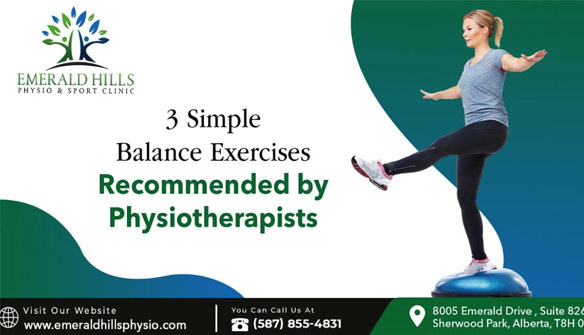
Maintaining balance is a critical component of our daily lives, affecting everything from simple movements to complex physical activities. For those struggling with balance issues, physiotherapy offers a tailored approach to restoring stability and confidence.
Physiotherapists in Sherwood Park address the underlying causes of imbalance, such as muscle weakness, joint stiffness, or vestibular dysfunction. Physiotherapists can develop personalized treatment plans that enhance coordination, strength, and overall mobility. Whether the goal is to prevent falls in older adults or to improve athletic performance, physical therapy for balance is an effective pathway to regaining control and improving quality of life.
3 Balance-Boosting Exercises From Physiotherapists
Balance exercises are crucial for individuals of all ages, particularly older adults who are at a higher risk of falls. Physiotherapists in Sherwood Park suggest three simple yet effective balance exercises that can be easily incorporated into your routine to maximize stability and prevent falls.
1. Single-Leg Stance
How to Perform:
- Stand upright with your feet together and arms relaxed at your sides.
- Gradually lift one foot off the ground, bending the knee slightly.
- Focus on keeping your balance on the standing leg.
- Hold the position for as long as possible, aiming for 30 seconds.
- Switch legs and repeat the exercise.
- Perform 2-3 sets on each leg.
Benefits: The single-leg stance is an excellent exercise for improving balance and proprioception, which is your body’s ability to sense its position in space. This exercise mainly focuses on targeting the muscles in your legs, particularly the quadriceps, hamstrings, and calves, as well as the core muscles. Strengthening these muscles enhances stability and helps prevent falls. Moreover, this exercise improves ankle stability and coordination, which are vital for maintaining balance.
Tips:
- If you are new to this exercise or have difficulty balancing, start by holding onto a sturdy chair or countertop for support.
- Gradually reduce reliance on support as your balance improves.
- Focus on a point in front of you to help maintain stability and avoid looking down at your feet.
- Engage your core muscles to help sustain balance.
- Try to increase the duration gradually as your balance improves.
2. Heel-to-Toe Walk
How to Perform:
- Stand upright with your feet together.
- Step forward with one foot, positioning the heel directly in front of the toes of your alternate foot as if walking on a tightrope.
- Continue walking in a straight line for about ten steps.
- Turn around and walk back in the same manner.
- Repeat the exercise for 2-3 sets.
Benefits: The heel-to-toe walk is a dynamic balance exercise that improves coordination and stability by challenging your ability to maintain a narrow base of support. This exercise activates the muscles in your legs, hips, and core, enhancing overall balance and control. It is particularly beneficial for improving gait and mobility, which are crucial for performing daily activities and preventing falls. By practicing this exercise regularly, you can improve your walking stability and reduce the risk of stumbling.
Tips:
- Perform this exercise next to a wall or along a hallway for added support if needed.
- Keep your eyes focused on a point straight ahead to help maintain balance.
- Avoid looking down at your feet to prevent losing balance.
- Start with short distances and gradually increase as your balance improves.
- Maintain a slow and steady pace, ensuring each step is deliberate and controlled.
3. Standing Marches
How to Perform:
- Stand tall with your feet spaced shoulder-width apart and arms relaxed at your sides.
- Lift one knee to hip level as if marching in place.
- Lower your leg and repeat with the alternate knee.
- Continue alternating legs for 1-2 minutes.
- Perform 2-3 sets.
Benefits: Standing marches are a dynamic exercise that helps improve balance, coordination, and lower body strength. By lifting your knees, you engage your core and leg muscles, essential for maintaining stability. This exercise also helps improve gait and mobility, making daily activities like walking and climbing stairs easier. Additionally, standing marches enhance cardiovascular fitness and can be added to a warm-up routine to prepare your body for more intense physical activity.
Tips:
- Perform this exercise near a wall or sturdy chair for support if needed.
- Focus on lifting your knees high and maintaining a steady rhythm.
- Maintain engagement of your core throughout the exercise to help maintain balance.
- Increase the duration and intensity of the exercise as your balance improves.
- Ensure your movements are controlled, and avoid rushing through the exercise.
Embrace Stability with Simple Balance Exercises:
Integrating these balance exercises into your daily routine can significantly influence your overall stability and quality of life. Emerald Hills Physiotherapy helps prevent falls and improves your confidence in performing everyday activities.
Balance is a crucial component of physical health, particularly as we age. By dedicating just a few minutes each day to these exercises, you can maintain your independence, minimize the risk of injury, and experience a more active lifestyle. Always remember to start slowly, use support if needed, and gradually increase the difficulty as your balance improves.
Physiotherapists in Sherwood Park can provide additional personalized guidance to ensure you are performing these exercises correctly and safely. If you need further assistance or personalized guidance, consider searching for “physiotherapy near me” to find local experts who can help you achieve your balance and fitness goals.
Keywords: balance exercises, physiotherapy, physiotherapist Sherwood Park, physiotherapy near me, physical therapy, Emerald Hills Physiotherapy













