A Checklist for Ensuring Your Vehicle Is Covered Under Lemon Law
By Space Coast Daily // July 2, 2024
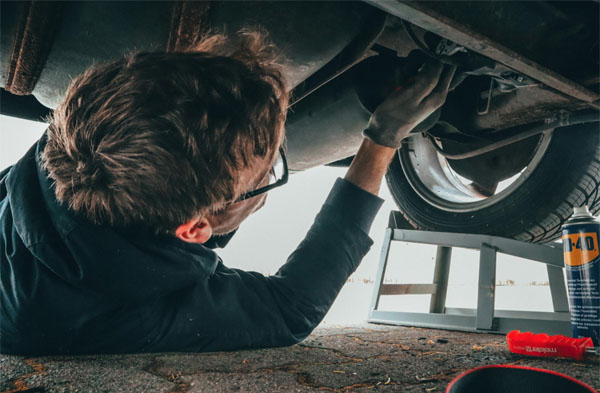
Your car’s been in and out of the shop, and you suspect it might be a lemon. You’re tired of dealing with constant issues.
The good news is that the California Lemon Law exists to help consumers like you, but navigating it can seem tricky. But with this practical checklist, you can determine if your vehicle troubles qualify as a ‘lemon.’
Let’s break down the essentials so you’re not left guessing whether you’re covered under lemon law protection.
Documentation of All Repair Attempts
When you bring your car to the mechanic, you must keep thorough records of every repair attempt. Make sure they provide detailed invoices that include dates, issues reported, and work done. This paper trail is critical in proving your case under the lemon law.
Without this documentation, it’s your word against theirs – having it puts solid proof on your side. And don’t just rely on digital copies; keep hard copies filed away safely too. If a problem recurs multiple times despite attempts to fix it within a reasonable number of visits or days out of service (typically 30 cumulative days), you have stronger grounds for claiming protection under lemon law.
Number of Repair Attempts
Beyond just keeping records, you need to track how many times you’ve taken your car in for the same issue. Generally, under California Lemon Law, if your vehicle has undergone four or more repair attempts for a significant defect within 18 months or 18,000 miles – whichever comes first – you might qualify.
Link this closely with your documentation habit: each visit should be logged and cross-referenced to ensure no gaps in reporting. Consider creating a simple spreadsheet to manage these details easily. This way, when it’s time to make your case, you’ll present a clear timeline showing that despite multiple efforts by the manufacturer or dealer service center, the problem persists.
Severity of the Defect
Not all car problems qualify for lemon law protection. The defect must substantially impair the vehicle’s use, value, or safety. So, you need to evaluate whether your issue meets this standard. Think about it like this: if the problem is something minor – like a squeaky seat – it probably won’t cut it.
But if it affects critical functions – such as brakes failing or engine stalling – then you’re on solid ground. Be sure to describe in detail how these issues impact driving safety or overall usability. Clear explanations of how each malfunction hampers everyday use will bolster your case significantly when presenting it under lemon law criteria.
Manufacturer’s Warranty
For lemon law claims, your car typically must still be under the manufacturer’s original warranty when the defect is first reported. So, review your warranty documents carefully to confirm your vehicle’s warranty coverage.
Manufacturers provide these warranties with specific terms and conditions, so knowing what’s covered helps you determine if your issue qualifies. Keep a copy of all communication with the dealership or manufacturer regarding repairs and issues.
When you understand what your warranty entails, you’re better equipped to argue that multiple unsuccessful repair attempts for a significant defect fall within its scope, reinforcing your case further. Accurate knowledge of coverage will make navigating lemon law processes smoother.
Independent Inspection
Getting an independent inspection is another crucial step to consider. An unbiased mechanic can provide a detailed report on your car’s condition, validating your claims about persistent issues.
Why do this? It bolsters credibility. Dealerships and manufacturers might downplay defects or claim they’ve fixed them when they haven’t. An outside expert’s perspective counters that narrative with professional insights and technical data.
Be sure to choose a certified mechanic with experience in the specific issues you’re facing for thoroughness. This independent verification could be pivotal in showing that despite repeated repair attempts under warranty, significant problems persist.
Manufacturer Communication
Lastly, document all communications with the manufacturer. Keep copies of emails, letters, and notes from phone calls regarding your car’s issues. Record dates and names of individuals you’ve spoken to; this paper trail is crucial.
If things escalate to needing a lemon law lawyer in Sacramento, California or elsewhere, these records show you’ve taken diligent steps to resolve the problem through proper channels. This proves that despite repeated attempts at repair and thorough communication efforts with the manufacturer or dealership, significant defects persist.
Conclusion
Navigating the lemon law might seem daunting, but with this checklist, you’re better equipped to take action. Stay organized, document everything, and don’t hesitate to get an independent inspection if needed.
Arm yourself with knowledge about your warranty and communicate consistently with the manufacturer. This proactive approach can turn a frustrating situation into one where you have control.