An Introduction To Body Armor: Key Features To Look For
By Space Coast Daily // July 2, 2024
Whether you’re a law enforcement officer, security professional, or someone who prioritizes personal safety, body armor offers a critical line of defense. But with various options available, choosing the right vest can feel overwhelming.
Understanding its key features helps you make informed decisions about your protection. This introduction to body armor will cover the basics, providing you with the knowledge to choose the best option for your needs.
Safety Standards, Testing, and Certification of Body Armor
Not all body armor is created equal. To ensure you’re getting the best possible protection, it’s vital to understand safety standards, testing, and certification. In the United States, the National Institute of Justice (NIJ) sets rigorous standards for body armor performance. These standards define the types of threats different armor levels can withstand, ranging from handgun rounds to high-powered rifle bullets.
Here’s the breakdown:
NIJ Ballistic Levels
These levels (1 to 4) indicate the level of protection offered. Level 2A vests, for example, stop common handgun rounds, while level 4 plates can even defeat rifle ammunition.
Testing Procedures
Body armor undergoes rigorous testing by independent laboratories. These tests simulate real-world scenarios, ensuring the armor meets the advertised protection level.
Certification Labels
Look for the NIJ standard certification label on the armor. This label verifies that it has been tested and meets the specified ballistic standard. It’s important to note that NIJ certification is not mandatory for body armor manufacturers, but it’s a strong indicator of quality and reliability.
Understanding these aspects ensures you choose body armor that provides reliable protection according to the NIJ standards.
Components of Body Armor
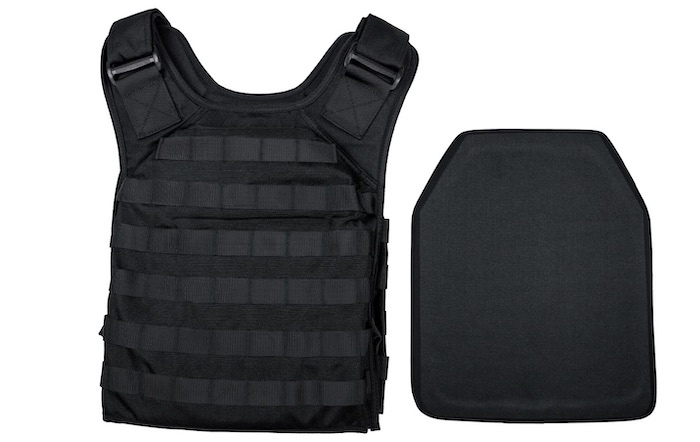
Body armor is more than just a thick, bulletproof vest. Here are some of its key components:
Ballistic Panels
These are the heart of the armor, typically made from ballistic-resistant materials like Kevlar® or high-performance polyethylene. In the world of body armor, these are known as ballistic plates, a key component in various types of resistant body armor, including army body armor. These panels absorb and distribute the impact of a projectile, minimizing injury.
Trauma Plate
Some vests incorporate a trauma plate, a rigid insert that further enhances protection against rifle rounds. Trauma plates disperse the energy of the bullet, reducing blunt force trauma to the wearer.
Carrier
This is the vest itself, made from durable and breathable materials. The carrier holds the ballistic panels and trauma plates (if present) securely in place. Comfort and fit are crucial here. You’ll need plate carriers that allow for freedom of movement while remaining secure.
Body armor consists of ballistic panels, trauma plates, and a carrier, each playing a vital role in providing protection and ensuring comfort for the wearer.
Protection Capabilities of Body Armor
Body armor offers varying levels of protection depending on its design and materials. Here’s a breakdown of some common threats it can safeguard against:
Ballistic Protection
NIJ levels define the type of threats the armor can stop. When it comes to body armor performance and protection levels, don’t assume a Level 2A vest will protect against rifle fire. For instance, a Level 3A vest might stop a .357 Magnum round, but it wouldn’t be suitable against higher-caliber rifle rounds.
Blunt Trauma Protection
While some armor offers some protection from blunt force trauma, it’s not designed for falls or collisions. Consider additional padding for activities with a high risk of blunt impact.
Complete Coverage
Gaps between armor components can leave vulnerable areas exposed. Choose a system that offers comprehensive coverage for your needs. Overlapping ballistic panels and plates can minimize gaps in protection.
Remember, body armor isn’t an impenetrable shield. It’s designed to minimize injury, but it does not guarantee complete invulnerability. Always prioritize situational awareness and de-escalation tactics when possible.

Finding the Right Body Armor
With a solid understanding of safety standards, components, and protection capabilities, you’re well on your way to choosing the right body armor. Here are some additional considerations, especially if you’re shopping around for soft body armor for your personal protection:
Threat Assessment
No matter what body armor design you prefer, identify the specific threats you anticipate encountering. This will help you determine the appropriate NIJ level. For instance, security professionals might need Level IIIA or IV armor to defend against rifle threats, while target shooters might prioritize lighter, concealable armor for handgun protection.
Comfort and Fit
Body armor needs to be comfortable enough to wear for extended periods. Choose a system that allows for adjustability and accommodates your body type.
Weight and Mobility
Consider the weight of the armor and how it might impact your movement. Lighter materials often come at a cost, offering less protection. Some users may opt for hard armor plates for specific high-risk scenarios, but these typically add significant weight compared to soft armor options.
By taking these factors into account, you can ensure that the body armor you choose will meet your specific needs and provide the necessary protection without compromising on comfort and mobility.
The Final Word
Body armor is a serious investment, but it can be a lifesaver. By understanding safety standards, components, and protection capabilities, you can easily choose the right armor for your needs. Remember, prioritize certified armor that offers the necessary protection level while remaining comfortable and allowing for mobility.
With the right choice, you can gain valuable peace of mind knowing you have an extra layer of defense in potentially dangerous situations. For optimal safety, always prioritize body armor performance in your decision-making process.