Prevent Print Failures: The Importance of Proper Filament Care
By Space Coast Daily // September 1, 2024
3D printing can be incredibly rewarding, but it comes with its own challenges, especially when storing and caring for your filament. If you’ve ever faced issues like brittle prints or inconsistent extrusion, improper filament storage might be the culprit.
Importance of Proper Filament Storage
Proper filament storage is essential for achieving quality 3D prints. In this section, I’ll explain why storing 3D printing filament correctly can make a big difference.
Moisture Sensitivity
3D printing filament can absorb moisture from the air, leading to print defects. I remember my first filament roll, which I left out in the open. The prints came out brittle and inconsistent. Desiccant packets in sealed bags now keep my filament dry. Using a filament dryer box is another effective measure, especially for materials like nylon and PETG that are extra moisture-sensitive.
Temperature and Environmental Factors
Temperature fluctuations can also impact the quality of your filament. I keep my filament in a controlled environment to prevent sudden changes, avoiding places with high humidity or direct sunlight. I store filament in a cool, dry room to maintain its integrity. For instance, my storage includes a dehumidifier to keep moisture levels low. This practice prevents warping and preserves filament quality, extending its shelf life.
Explore Bambu Lab’s High-Quality 3D Printing Filaments
Bambu Lab offers various filaments to suit different 3D printing needs. From extensive color options to top-tier performance, there’s something for every project.
Wide Range of Colors and Materials for Every Project
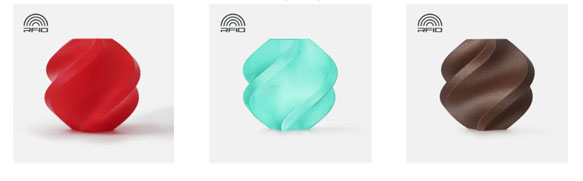
Bambu Lab provides a vast selection of 3D printing filament colors and materials. I remember a project needing that perfect shade of blue. Bambu Lab had it ready in multiple finishes. These filaments cover everything from PLA to more advanced composites. You’ll find glassy greens, matte blacks, and even vibrant metallics. It’s easy to match material properties to your specific print goals. This diversity simplifies the creation of visually stunning and mechanically robust prints.
Superior Print Performance with Bambu Lab Filaments
Bambu Lab filaments stand out for their print reliability and quality. I once worked on a long print job requiring smooth and consistent extrusion. Using Bambu Lab filament, the results were flawless, with no clogging or warping. These filaments reduce common issues like stringing and layer adhesion problems. They offer better flow characteristics, which help achieve high detail and smooth finishes. This reliability makes Bambu Lab a go-to choice for optimal print performance.
Best Practices for Storing 3D Printing Filament
Proper storage of 3D printing filament is vital to maintaining print quality. Here are some tips to help keep your filament in good condition.
Dry Storage Solutions
3D printing filament absorbs moisture, which can ruin prints. Several dry storage solutions keep moisture at bay:
- Airtight Containers: Store filament in airtight containers with desiccant packets. I use large resealable bags with silica gel.
- Vacuum Storage Bags: These bags remove air and seal the filament, which is helpful if you live in humid areas.
- Filament Dryer Boxes: These are specialized boxes designed to keep filament dry by heating it at low temperatures.
Controlled Environments
Filament storage needs controlled environments for optimal conditions:
- Cool Location: Keep filament in a cool place. Avoid places with direct sunlight or near heaters.
- Consistent Humidity: Use a hygrometer to monitor humidity. Maintain it below 20% for best results.
- Labeling: Label your containers with the filament type and date opened. This helps track how long the filament has been stored.
Monitoring and Maintenance
Regularly check and maintain your filament:
- Check for Degradation: Inspect filament for brittleness. Snap tests help; snap off a small piece to see if it breaks easily.
- Refresh Desiccants: Replace desiccant packets when they change color.
- Clean Spools: Dust can accumulate on the filament. Use a soft cloth to wipe it off before printing.
Storing 3D printing filament properly ensures consistent print quality, prevents waste, and saves money.
Caring for Filament During Use
Consistent care during 3D printing helps maintain filament quality and print accuracy. Follow these practices to handle, dry, and keep your 3D printing filament effectively.
Filament Handling
Proper handling of 3D printing filament prevents tangles and contamination. Always keep spools in their original packaging or use spool holders. This keeps dust and oils from hands off the filament. When feeding filament into the printer, ensure the spool turns freely to avoid strain on the printer and filament. I always use a filament guide to keep the filament path smooth. Secure the end of the filament after use to prevent tangling.
Drying Filament Before Use
Moisture can degrade 3D printing filament, causing print defects. I often dry my filament before use, especially if it has been stored for a while. Use a filament dryer or an oven with precise temperature control, setting it around 50°C (122°F) for a few hours. Desiccant boxes can also help keep the filament dry. For extra precaution, store dried filament in airtight containers with fresh desiccants until needed.
Filament Maintenance During Printing
Consistent filament tension and monitoring ensure smooth printing. Clean the filament with a soft cloth before it enters the extruder. I use a dust filter on the filament to catch particles. During long prints, periodically check the spool for tangles or knots. Adjust the filament feeder tension to avoid grinding. Regularly inspecting the filament path and keeping the printer’s extruder clean can prevent jams.
Common Storage Mistakes to Avoid
Proper 3D printing filament storage keeps your filament in top condition. Here are some missteps to sidestep.
Exposing Filament to Open Air
Exposing the filament to open air leads to moisture absorption, which degrades print quality. I left my spool out overnight, and it printed unevenly the next day. To reduce humidity exposure, always store filament in a sealed container with desiccant packets.
Improper Temperature Control
Improper temperature control deteriorates filament. When my workshop got too hot, I learned the hard way that the filament became brittle and unusable. To maintain its integrity, keep the filament in a cool, stable environment. An optimal storage temperature ranges from 59°F to 77°F.
Conclusion
Storing and caring for 3D printing filament is easy if you follow the right steps. I learned this the hard way when I left filament out overnight, and it absorbed enough moisture to ruin prints. To keep the filament in top shape, keep it in sealed containers, use desiccant packets, and store it in a cool place. Remember, your prints depend on the quality of your filament.