Perfect Climate for Growing Cannabis
By Space Coast Daily // September 16, 2024
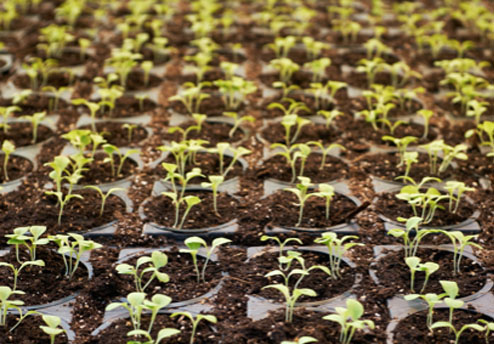
When growing marijuana outside, its success is heavily dependent on the environment and the climate. Plus, since cannabis growers have limited pesticide availability, it is crucial to work with optimal temperatures for the best yield.
Since cannabis loves tropical temperatures full of sun, any fall in these conditions can cause the plant to produce low yields or develop diseases. This piece looks at the best temperature conditions for growing a healthy cannabis plant outside.
What’s The Perfect Weed Climate?
In recent years, we’ve witnessed a growing shift in climatic conditions. Summers are not as sunny, and sometimes spring looks grey and cloudy. In short, the weather isn’t as predictable as before. So, how do you ensure the weed strain you’re growing doesn’t succumb to bad conditions?
Luckily, cannabis is a resilient crop that survives a wide range of temperature changes. Most strains typically grow in temperatures between 25 and 30 degrees Celsius. Cannabis cultivators aim to start growing immediately after the end of spring frost. Similarly, they prefer harvesting the plant just before the colder autumn/fall conditions. Summer temperatures can get hot, but strains like the Kush Mints strain are more resilient if the night temperatures are cooler.
Let’s take the example of kush mints to assess the perfect climate. An average kush mintz plant takes 8-9 weeks if subjected to the best light conditions. It should receive at least 8 hours of sunlight during the vegetative state. Since they grow light, it’s crucial to add a trellis or support to the kush mints cannabis plant. You can grow the kush mints seeds indoors or outdoors with enough light in an undisturbed environment.
Cannabis Weather in Its Entire Life Cycle
From the time you lay seeds on the soil to harvest, the life cycle of any cannabis plant grown outdoors depends on climate. So, even if the weather is unpredictable, you can find better ways to cultivate cannabis and ensure it has the best yields.
Once you get seeds from online companies like Barney’s Farm marijuana seeds the first few weeks should have higher temperatures between 20 and 30 degrees. Here, the plant needs more sunlight to photosynthesize leaves and grow. During flowering until harvest, the perfect temperatures should range between 19 and 27 degrees. Higher temperatures slow down the flowering process, hence the low production of terpenes. This leads to a less potent cannabis bud in the end.
At night, the temperatures should be at least 7 degrees lower than the daily temperatures, regardless of the growing stage. This allows the plants to relax and make transitioning to the next stage easier.
That said, cannabis is a resilient plant that grows in most conditions. Theoretically, it can survive temperatures up to 30 degrees Celsius and as low as 15 degrees without quilting. During these extremes, it will flower and keep on growing until the buds are fully developed. And in case the weather goes beyond these points, they won’t die immediately. Production may reduce, but you’ll still be able to harvest a few buds at the end of the season.
Growing Tips
As you cultivate weed, the heat, cold, humidity, and wind greatly determine your yields. Let us look at some tips to combat situations where these aspects are extreme or come unexpectedly.
Heat
Weed farmers start to get worried when the summer temperatures hit 30 degrees. In such a case, you must choose a favorable spot where the soil will maintain temperature or have enough shade. Adding enough water is an obvious tip, but you can also add straws beneath the plant to retain moisture.
Rain
Rain should not be an issue for growers, especially intermediate and experienced ones. The weed garden/farm should have good drainage; if you’re using pots, they should have holes.
Cold
If the temperatures go below as expected, you can consider growing the first half-life cycle of the cannabis in a controlled environment and then later plant it outdoors.
Humidity
Humidity is another aspect to watch out for because fungi will grow fast if the environment gets too damp. If dew accumulates in the morning, you may want to shake the plant. Finally, always allow some breeze to pass through your garden. The wind prevents fungi from holding on to the plant during flowering.