
The Rich History of Katana Sword Names and Their Origins
By Space Coast Daily // September 5, 2024
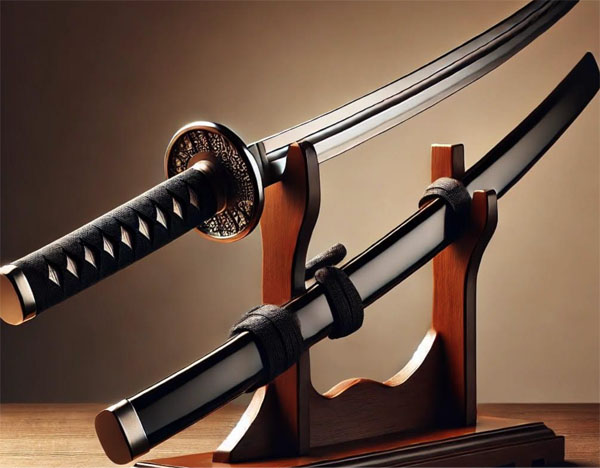
The katana sword is more than just a weapon; it’s a symbol of Japanese culture and craftsmanship that has fascinated people worldwide for centuries.
Each katana sword carries a unique name, steeped in history and significance, often reflecting the sword’s character, craftsmanship, and the era in which it was forged. In this article, we’ll delve into the intriguing history of katana sword names and their origins, offering insights into the cultural heritage that these iconic blades represent. If you’re interested in owning a piece of this history, explore the world of authentic katana swords.
The Meaning Behind Katana Names
Katana names are not arbitrarily chosen; they carry deep meanings that often reflect the sword’s intended use, the beliefs of the owner, or the characteristics of the blade itself. In feudal Japan, naming a sword was a serious affair, as it was believed that the name could influence the sword’s spirit and performance in battle. Names were often inspired by natural elements, mythological references, or the sword’s physical attributes.
For example, a katana named “Fujin” might be associated with the god of wind, implying swiftness and deadly speed. Another sword named “Hana” could symbolize beauty or grace, perhaps reflecting the craftsmanship involved in its creation. These names were meant to invoke respect and reverence, not just from the wielder but from others who heard the name.
Historical Influence on Sword Naming
The history of Japan has heavily influenced the naming of katana swords. During the Sengoku period, a time of constant warfare, swords were often named after the virtues warriors admired most, such as strength, loyalty, and honor. These names were a source of pride and motivation for samurai, who saw their swords as extensions of their souls.
As Japan moved into the Edo period, a time of relative peace, the naming conventions evolved. Swords were less about war and more about status and artistry. The names became more poetic, reflecting a shift towards appreciating the sword as a work of art rather than just a tool of war. This period saw names like “Tsukikage” (Moonlight) or “Yamabuki” (Mountain Breeze), which evoke imagery of peace and tranquility, even in a weapon.
The Role of the Swordsmith in Naming
The swordsmith, or “tosho,” played a critical role in the naming of katana swords. These master craftsmen spent years perfecting their skills, and their reputation was often tied to the quality and the name of the swords they forged. A well-named sword could elevate the swordsmith’s status and bring honor to his workshop.
Some swordsmiths became so renowned that their names alone were enough to sell a sword, much like a brand today. For instance, the famous swordsmith Masamune, whose swords are legendary, often named his creations with titles that reflected the blade’s unique qualities. These names have stood the test of time, and swords like “Honjo Masamune” have become cultural treasures.
Modern Interpretations and the Revival of Tradition
In modern times, the tradition of naming katana swords continues, though with some changes. Collectors and martial artists alike often seek swords with historical names or choose names that resonate personally with them. The rise of custom sword-making has also allowed for a resurgence in traditional naming practices, as well as the creation of new names that blend historical reverence with contemporary significance.
While the process of naming a sword today might not carry the same spiritual weight as it did in feudal Japan, it still holds great importance for those who value the cultural and historical aspects of the katana. Whether named for a natural phenomenon, a personal belief, or in honor of a legendary swordsmith, these names continue to honor the deep traditions from which they originated.
The names of katana swords are a window into the rich history and culture of Japan. From the battlefield to the art gallery, these names have evolved alongside the swords themselves, reflecting the changing values and times. Whether you’re a collector, a martial artist, or simply someone fascinated by Japanese culture, understanding the origins of katana sword names adds a deeper layer of appreciation for these iconic blades. For those interested in exploring further, consider adding a wakizashi, the katana’s shorter companion, to your collection, and continue your journey into the world of traditional Japanese swords.














