
Dry Bag Backpack vs. Traditional Gear: Which Wins for Boating?
By Space Coast Daily // November 19, 2024

Selecting the right bag for a boating adventure is crucial. You want your gear to stay safe and dry, no matter the weather or water conditions.
This is where waterproof storage solutions come into play. In this article, we’ll compare two primary types of boating storage: dry bag backpacks and traditional gear. We will break down their basics, advantages, key differences, and how to choose the right solution based on your boating needs.

Understanding Dry Bag Backpacks
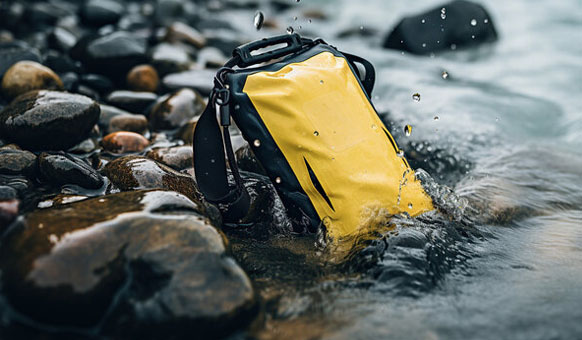
Dry bag backpacks are specially designed bags that offer superior waterproof protection. They are perfect for keeping your belongings safe from water exposure during boating trips. Here’s how they typically stand out:
- Design: Dry bag backpacks often feature roll-top closures, which create a waterproof seal. They are designed to provide comfort while being easy to carry, making them ideal for boating activities.
In essence, dry bag backpacks are a reliable choice for boaters seeking to protect their gear from moisture while enjoying flexibility and convenience.
Advantages of Dry Bags for Boating
When it comes to securing your belongings on the water, dry bags are a clear favorite for many boaters. Here’s why:
- Protection from Water: The primary benefit of dry bags is their ability to keep gear safe from water. These bags are sealed shut, preventing moisture from penetrating and ensuring that your essentials remain dry.
- Flexibility and Versatility: Dry bags come in various sizes and styles, making them versatile. Whether it’s a small phone pouch or a large backpack dry bag, there’s a size for every need.
- Lightweight and Easy to Carry: Unlike some traditional gear, dry bags are often lightweight, making them easy to carry. This is critical for activities where portability is key.
The real-world functionality of dry bags lies in their efficiency. Studies and user experiences highlight their superior moisture protection capabilities, making them an essential choice for anyone seeking to maintain dry gear in damp environments. For additional insights into the best dry bags for your boating adventures, visit this helpful guide.
Comparing Traditional Gear
Traditional gear still plays a significant role in boating for several reasons:
- Durability: Traditional boating gear is often crafted from sturdy materials like heavy-duty canvas, leather, or treated fabrics, which stand up well over time.
- Cost-Effectiveness: In many cases, traditional gear might be more affordable initially, especially for items that don’t require advanced waterproofing.
- Common Traditional Items:
- Canvas Duffel Bags: These are popular for their simplicity and storage capacity.
- Sturdy Boxes or Cases: Common for protecting higher-value or fragile items.
- Rope Tie-Downs and Tarps: Used for securing and covering larger items on board.
By focusing on proven durability and often lower initial costs, traditional gear can be a wise choice, especially when the water exposure risk is minimal. However, for situations where gear might frequently get wet, additional protection methods might be necessary. Understanding these strengths helps in making informed decisions about what gear to employ, based on specific boating needs and conditions.
Waterproof Boat Bag Essentials
When it comes to boating, having the right gear is crucial for your safety and preparedness. Packing a well-stocked waterproof boat bag ensures you have everything you need, ready to withstand the elements. Here are some essential items you should consider including:
- First Aid Kit: Boating can lead to unexpected injuries, so having a compact first aid kit is vital for treating minor wounds and ailments on the spot.
- Emergency Signaling Devices: Flares, whistles, or a signaling mirror can be lifesavers in case you need to alert someone during an emergency.
- Water and Snacks: Keeping yourself hydrated and nourished is important, especially in the sun. Pack ample water bottles and non-perishable snacks.
- Navigation Tools: A waterproof map and a compass or GPS device can prevent getting lost, especially when venturing into new waters.
- Sunscreen and Sun Protection: Being on the water usually means direct sun exposure. Include sunscreen, sunglasses, and a hat for protection.
- Dry Clothes and Towels: After getting splashed by water or in case of rain, having dry clothes and towels ensures comfort during your trip.
- Communication Devices: A waterproof VHF radio or a mobile phone in a waterproof case allows you to communicate if needed.
These essentials are tailored to ensure safety and convenience during boating, securing against unforeseen situations and making your experience smoother. To explore more on boating safety tips and essential gear, refer to AAA Living.
Key Differences: Dry Bag Backpacks vs. Traditional Gear
Choosing between a dry bag backpack and traditional boating gear can be perplexing. Understanding their differences can aid in making the best choice for your needs.
- Protection:
- Dry Bag Backpacks: Highly effective in keeping moisture out, ensuring gear remains dry even if submerged.
- Traditional Gear: Often made of materials like canvas or nylon, which may not be completely waterproof but can resist mild water exposure.
- Use Cases:
- Dry Bag Backpacks: Ideal for activities where water exposure is certain, like kayaking or rafting.
- Traditional Gear: Suitable for calmer water activities or shorter trips where full waterproofing isn’t vital.
By examining these key distinctions, boaters can align their gear choice with their specific needs and activities. For further reading on this comparison, you can visit Public Lands. Each option serves different purposes, and understanding your priorities will help in deciding the best fit for your boating adventures.
Benefits of Using Marine Dry Bags
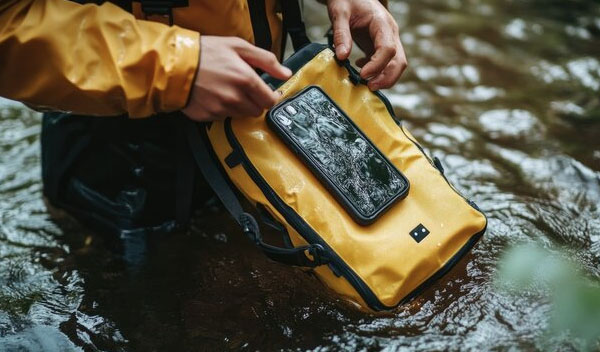
Marine dry bags are a smart choice for any boating enthusiast, offering a range of benefits that cater specifically to marine environments. Here’s why you might choose marine dry bags for your boating needs:
- Protection Against Water: Marine dry bags are designed to be impervious to water, ensuring your gear stays dry even in the wettest conditions. This feature is particularly crucial when venturing into open waters or during heavy rainfall.
- Durability: These bags are crafted from materials such as PVC or vinyl, providing resistance to abrasions and punctures. This makes them ideal for rugged use on boats.
- Ease of Use: Many marine dry bags feature roll-top closures that are not only simple to secure but also effective in creating watertight seals.
- Variety of Sizes: Whether you need a small bag for personal items or a larger one for bulkier gear, marine dry bags come in various sizes to match your requirements.
- Portability: Lightweight and easy to carry, these bags are often equipped with shoulder straps or handles for convenience.
- Extra Features: Some marine-specific models include added features like reflective strips for visibility, D-rings for secure attachment, and clear panels that let you see bag contents without opening.
Choosing the Right Bag for Your Needs
When choosing between a dry bag backpack and traditional gear for boating, consider your unique needs and boating activities:
- Activity Type: What kind of boating do you do most often?
- For activities like kayaking or dinghy sailing, a backpack dry bag might be more convenient.
- Traditional gear might suffice if your boating is limited to larger vessels with organized storage.
- Frequency of Use: If you’re on the water frequently, investing in high-quality dry bags for boating could save you headaches in the long run.
- Capacity Needs: Consider how much you need to carry.
- Backpack dry bags typically offer less capacity but more convenience for carrying personal items.
- Traditional gear might be better for packing larger quantities of equipment securely.
- Weather Conditions: Consider prevailing weather and water conditions in your area. Marine dry bags are particularly suited for consistently wet environments.
- Additional Features: Look for features that might be beneficial, like multiple compartments for organization or compatibility with other gear.
Ultimately, the best choice depends on balancing your specific preferences, activities, and the practicality of the bags’ features for your boating adventures.













