
Will My Car Insurance Go Up After an Accident in Texas?
By Space Coast Daily // November 12, 2024
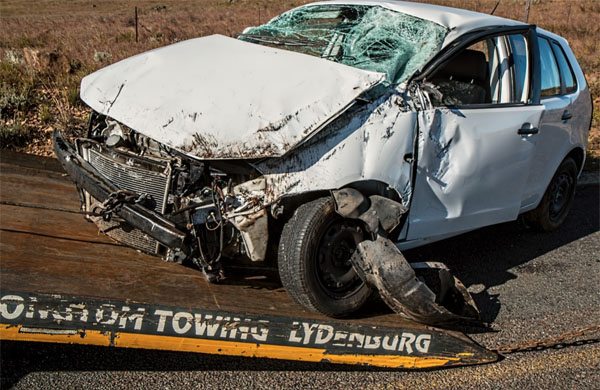
If you get into a car accident in Texas, you may wind up with painful injuries, mental anguish, and financial impacts. One key step after getting into a car crash is notifying your insurance company about the incident. It’s something that every driver must do, regardless of who is at fault.
Since Texas is an at-fault insurance state, you may want to know if your car insurance rates will go up. It seems only logical that rates would increase for a driver who causes an accident. However, what if you were following the rules of the road when another driver crashed into your vehicle?
While you will not be at fault for the accident if you didn’t cause it, you may see your insurance premiums increase, even if you don’t file a claim with your own insurer. It’s a classic case of adding insult to injury, and while rates will climb higher for the person responsible, you may see higher premiums after your accident.
Along with the modified comparative negligence rule, you may also receive some of the blame, which can reduce your compensation award. If you have been hurt in a car accident that another person caused, the best way to reduce the chances of receiving unfair blame, maximize compensation, and prevent unjust rate hikes is to contact a Dallas injury lawyer.
Understanding How Insurance Companies Calculate Car Insurance Premiums
Car insurance premiums are affected by an array of different factors. Here is a look at what insurance companies look at before they provide coverage and protection for you and your vehicle.
Claims History
All insurance companies review reports that detail any previous claims you have made before they issue a policy. Any potential policyholder with a history of accidents or traffic violations with tickets will be charged more for their coverage.
Location
The next thing insurers look at is where you drive your vehicle and where you live. Rates tend to be higher in big cities because car accidents are more common. Thefts are another risk too, and in more densely populated areas, the risk for theft also rises. If you live in a metropolitan area, you can expect that your car insurance rates will be higher compared to someone who lives in a suburban or rural location.
Type of Vehicle
The make and model of your vehicle will also partially dictate the insurance premiums you are offered. Some vehicles are more expensive to insure.
Age and Gender
Younger drivers are less experienced, making them more likely to be involved in car accidents. Additionally, since young male drivers are statistically a problematic set of the population in terms of car accident frequency, they will usually have higher insurance premiums than young female drivers.
Credit Standing
While not all auto insurance companies rely on your credit score, many of them do. If your credit is in good standing, you may get a break on your rates.
Available Discounts
Some insurance companies will offer discounts for insurance premiums based on customer loyalty, safe driving, or because they don’t put many miles on their vehicles each year.
How Does a Texas Car Accident Affect Insurance Rates?
The industry of car insurance is based on potential risks. When you get your car insurance premium, the amount they want you to pay is based on the perceived risk they have of you getting into an accident.
An insurer can easily argue that if you’ve been in one or more accidents, then you are more likely to be involved in future crashes. This is true even if you did not cause any of these accidents. Texas law does not prevent insurance companies from raising rates for an accident that wasn’t your fault.
There is something else you should know about your insurance premiums – not every insurer will have the same approach for applying rate increases after a crash that you didn’t cause. Some may only increase the premium if you were 50% or more at fault. Others may offer accident forgiveness programs for an additional fee or even as a reward to good drivers. You should check your car insurance policy to see if you have an accident forgiveness policy there as it could prevent you from seeing higher rates after this crash.
Of course, this will all depend on the insurance company you’re using for your auto coverage. You may be lucky—or you may be one of many car accident victims stuck with an increase of several hundred dollars for an accident you didn’t cause. Those who are found to be at fault in a crash will be subjected to a much higher premium increase.
What to Do If You’re Being Blamed for a Car Accident in Texas
Since Texas uses an at-fault insurance model, you may be blamed for your accident, either fully or partially. Although modified comparative negligence will still allow you to collect compensation for your injuries and damages as long as you are less than 51% at fault, it can still diminish your settlement amount.
It’s not fair that you should be left with painful injuries that have made it impossible for you to work and put a financial strain on your family when someone else was negligent on the road. In these circumstances, it’s ideal to protect yourself from the start.
This means calling the police when you’re at the accident scene, seeking medical treatment to assess your injuries, and gathering evidence that shows what happened. With the laws in Texas, it can be difficult to resolve a car accident case on your own. You will likely face blame or have issues with negotiating a fair settlement from the insurer.
It’s often too much of a strain, especially when you’re trying to recover from your injuries. Most car accident lawyers offer a free initial consultation, which you should use to determine the next steps to take. An attorney will be able to review your case and its validity while providing legal options that can help you move forward.















