
Eco-Friendly Trekking: Sustainable Travel in the Himalayas
By Space Coast Daily // February 11, 2025
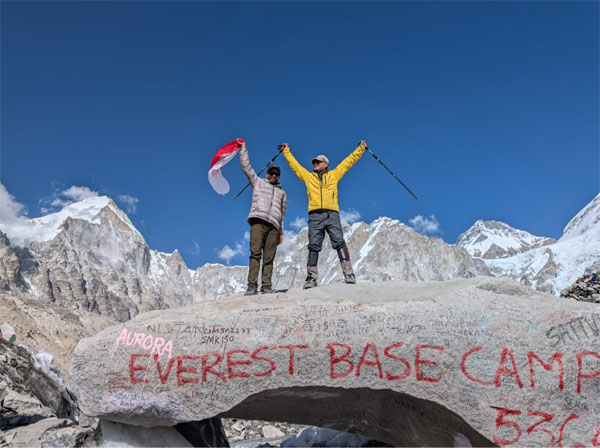
Eco-friendly trekking in the Himalayas advances maintainable travel by minimizing natural effects and supporting neighborhood communities.
This approach centers on capable homes, such as decreasing waste, dodging plastic, and utilizing biodegradable items. Travelers are energized to select eco-certified visit administrators, remain in eco-lodges, and regard neighborhood societies and biological systems. Economical trekking moreover emphasizes taking off no follow, protecting delicate mountain situations, and partaking in community-based tourism activities that contribute to neighborhood economies. By prioritizing preservation and moral travel, eco-friendly trekking guarantees that the grand excellence of the Himalayas can be delighted in by future eras, while profiting the region’s individuals and nature.
This article dives into the substance of two famous Himalayan encounters: the Manaslu Circuit trek and the Everest Base Camp trek, emphasizing the significance of capable travel.
Nepal: The Trekker’s Paradise
Nepal, a landlocked diamond settled between India and China, is synonymous with high-altitude undertakings. It’s tough territory, speckled with peaceful towns, frosty streams, and antiquated religious communities, offers a trekking involvement unparalleled anywhere else in the world. For both prepared trekkers and fledglings, the trails in Nepal are a portal to investigating the soul-stirring excellence of the Himalayas while locking in with the dynamic nearby cultures.
Beyond the tasteful appeal, trekking in Nepal has developed to symbolize a move towards supportability. With expanding worldwide mindfulness of natural challenges, numerous trekkers presently prioritize eco-friendly travel homes. This change reflects the substance of trekking in Nepal: a concordant mix of experience and veneration for nature.
Manaslu Circuit trek: The Street Less Traveled
For those looking for an off-the-beaten-path enterprise, the Manaslu Circuit trek offers unparalleled travel. Circling the towering Mount Manaslu, the world’s eighth-highest top at 8,163 meters, this trek combines crude characteristic excellence with a social odyssey.
Highlights of the Manaslu Circuit Trek
Diverse Landscapes
The path navigates a mesmerizing run of landscapes, from rich subtropical woodlands to dry high-altitude deserts. Along the way, trekkers experience cascading waterfalls, terraced areas, and cold moraines.
Cultural Immersion
The Manaslu region is home to old Tibetan-influenced communities. Towns like Samagaon and Samdo offer a view into the lives of local people, who have protected their interesting conventions for centuries. Supplication banners shudder in the wind, and religious communities stand as quiet witnesses to the region’s otherworldly heritage.
The Larkya La Pass
The trek comes full circle at the breathtaking Larkya La Pass (5,106 meters), a challenging, but fulfilling, crossing that offers all-encompassing views of snow-capped peaks, including Manaslu, Cheo Himal, and Himlung Himal.
Sustainability on the Manaslu Circuit
Unlike a few of Nepal’s more commercialized courses, the Manaslu Circuit trek remains moderately untouched. Be that as it may, expanded footfall has brought concerns of almost natural corruption. Trekkers are empowered to hone takeoff no-follow standards, guaranteeing that the flawless magnificence of the region is protected for future eras. Choosing eco-friendly tea houses, minimizing plastic use, and regarding neighborhood traditions are basic, however impactful, ways to travel responsibly.
Everest Base Camp trek: Taking After in the Strides of Legends:
No talk of trekking in Nepal is complete without specifying the famous Everest Base Camp trek. This incredible path leads travelers to the foot of Mount Everest, the world’s most noteworthy top. Strolling in the strides of mountaineering pioneers, trekkers set out on a travel that combines physical continuance with otherworldly elevation.
Highlights of the Everest Base Camp Trek
Gateway to Everest
The trip starts in Lukla, a little but bustling town that serves as the door to Everest. From here, the path winds through interesting Sherpa settlements like Namche Bazaar and Tengboche, each advertising one-of-a-kind encounters and perspectives.
Sagarmatha National Park
A UNESCO World Heritage Site, Sagarmatha National Stop is a safe house for biodiversity. Trekkers frequently spot Himalayan tahr, snow leopards, and colorful fowls in the midst of rhododendron timberlands and tough cliffs.
Tengboche Monastery
Perched at 3,867 meters, the Tengboche Cloister is an otherworldly haven. The quiet chants of friars, coupled with a background of Everest, Ama Dablam, and Lhotse, make this an exceptional experience.
Everest Base Camp
Reaching Everest Base Camp (5,364 meters) is the apex of the trek. Standing at the base of the world’s tallest mountain is a lowering involvement, as one reflects on the sheer greatness of nature’s creations.
Sustainability on the Everest Base Camp Trek
The ubiquity of the EBC trek has driven to concerns almost its natural effect. Packing, squander administration, and deforestation are squeezing issues. In any case, a few activities point to advanced feasible trekking practices:
Eco-Friendly Lodges: Numerous tea houses along the path presently utilize sun-based control and give sifted drinking water to decrease plastic waste.
Clean-Up Campaigns: Organizations like the Sagarmatha Contamination Control Committee (SPCC) work resolutely to oversee squander and keep up the trail’s perfect condition.
Permits and Expenses: The passage licenses for Sagarmatha National Stop contribute to preservation endeavors and community development.
Choosing the Right trek: Manaslu Circuit vs. Everest Base Camp
Both the Manaslu Circuit trek and the Everest Base Camp trek offer interesting encounters. Choosing between the two depends on one’s inclinations, wellness level, and craving for isolation or adventure.
For Isolation Searchers: The Manaslu Circuit trek is perfect for those who need an off-the-grid encounter, absent from the swarms. Its relative remoteness offers a more profound association with nature and nearby cultures.
For Notorious Experiences: The Everest Base Camp trek offers to those who dream of standing at the foot of the world’s most elevated mountain. Its well-trodden ways and vigorous foundation make it available to a broader extent of trekkers.
Both treks share a commitment to supportability, permitting travelers to investigate capably while giving back to the environment and nearby communities.
Sustainable Trekking: A Shared Responsibility
As the ubiquity of trekking in Nepal proceeds to develop, so does the obligation to secure its delicate environments. Here are a few ways trekkers can contribute to economic tourism:
Support Neighborhood Communities:
Opt for locally owned tea houses and guides. This not only boosts the nearby economy but also cultivates social exchange.
Minimize Waste:
Carry a reusable water bottle and refinement tablets to diminish plastic utilization. Maintain a strategic distance from littering and pack out all non-biodegradable waste.
Respect Nearby Customs:
Dressing humbly, looking for consent, and learning a few Nepali expressions go a long way in building positive relationships.
Choose Moral Trekking Agencies:
Partner with trekking companies that prioritize reasonable compensation, moral treatment of doormen, and naturally cognizant practices.
Beyond the Trails: Investigating Nepal’s Social Richness
While trekking in Nepal is an unparalleled involvement, the nation has much more to offer. Cities like Kathmandu, Pokhara, and Bhaktapur are wealthy in history, craftsmanship, and the most profound sense of being. Going by old sanctuaries, investigating bustling markets, and partaking in neighborhood celebrations give a more profound understanding of Nepal’s social tapestry.
For illustration, after completing the Manaslu Circuit trek, one might visit the UNESCO World Heritage Destinations in Kathmandu Valley, such as the Swayambhunath Stupa (Monkey Sanctuary) or Pashupatinath Sanctuary. Essentially, after the Everest Base Camp trek, an unwinding pontoon ride on Phewa Lake in Pokhara offers a peaceful difference to the rough mountain trails.
Best Time to Trek
The perfect seasons for both the Everest Base Camp and Manaslu Circuit treks are pre-monsoon (walk to May) and post-monsoon (September to November). Amid these periods, trekkers can appreciate clear skies, steady climate, and lavish landscapes.
- Spring (March-May)
- Vibrant rhododendron blooms.
- Warmer temperatures and longer sunshine hours.
- Autumn (September-November)
- Crisp, with amazing mountain visibility.
- Festive climate with social celebrations like Dashain and Tihar.
Successful Tips for Feasible Trekking
Minimize Natural Impact
- Carry reusable water bottles and refinement tablets to maintain a strategic distance from single-use plastics.
- Stick to checked trails to anticipate soil disintegration and harm to flora.
- Use eco-friendly items, such as biodegradable cleansers and sunscreen.
Respect Neighborhood Communities
- Support locally owned teahouses and guides to boost the nearby economy.
- Follow social standards, such as inquiring consent some time recently before taking photographs of people.
Prepare for the Trek
Train physically for at least a month sometime recently to construct stamina.
Pack fundamentals like layered clothing, trekking shafts, and a tough backpack.
Beginners’ Direct to the Himalayas
While the appeal of the Himalayas is irrefutable, tenderfoots must arrange carefully to guarantee a secure and agreeable trek. Here’s a guide:
Choose the Right Trek
The Everest Base Camp trek is perfect for trekkers with direct involvement and not too bad wellness levels.
The Manaslu Circuit trek is more challenging and better suited for those looking for isolation and adventure.
Start Small
If you’re totally unused to trekking, consider shorter, less demanding courses in the Annapurna region or Langtang Valley some time recently before endeavoring these demanding trails.
Acclimatization is Key
Spend additional days acclimatizing, particularly on the Everest Base Camp Trek.
Stay hydrated and dodge liquor to diminish the hazard of elevation sickness.
Permits and Regulations
Both treks require grants, which offer assistance to oversee the number of trekkers and bolster preservation endeavors. Here’s what you need:
Everest Base Camp trek Permits
- Sagarmatha National Stop Section Permit.
- Khumbu Pasang Lhamu Country District Permit.
Manaslu Circuit trek Permits
- Manaslu Preservation Region Allow (MCAP).
- Annapurna Conservation Area Project (ACAP).
- Restricted Region Allow (RAP) for Manaslu.
Must be gotten through an enrolled trekking organization and requires at least two trekkers to go with an authorized guide.
Final Contemplations: Grasping the Whispers of the Himalayas
The Himalayas are more than just a physical scene; they are an otherworldly and enthusiastic involvement. Whether navigating the lesser-known ways of the Manaslu Circuit trek or strolling the incredible trails to Everest Base Camp, trekking in Nepal is a journey of self-discovery, amazement, and responsibility.
As the whispers of the Himalayas call out to explorers, let us reply with mindfulness and regard. By grasping maintainable homes, we can guarantee that these sacrosanct mountains proceed to rouse eras to come, protecting their enchantment forever.
Booking process
Booking a trek with Hiking Bees is simple and convenient. Visit our website at https://hikingbees.com, browse the available treks, and select your preferred package. Click “Book Now” to fill out the required details, including your travel dates and personal information. Secure your reservation by making a payment through their safe online system. Once confirmed, you’ll receive a detailed itinerary and pre-trek guidelines to prepare for your adventure!
For inquiries, feel free to reach out to us at info@hikingbees.com or via Whatsapp at +977986-0617338













