National Cancer Survivors Day on June 1 Will Celebrate Life, Raise Awareness and Inspiring Hope
By Space Coast Daily // May 4, 2025
more than 53.5 million people worldwide have survived cancer in the last five years


BREVARD COUNTY • FLORIDA—Communities will unite on Sunday, June 1, for the 38th annual National Cancer Survivors Day. This Celebration of Life honors those with a history of cancer, raises awareness of the continuous challenges faced by cancer survivors, and inspires hope for the future.
 Related Story:
WATCH: Space Coast Endoscopy Center Celebrates 20 Years of Providing Exceptional Health Service
Cancer affects everyone. Recent global estimates indicate that 1 in 5 people will be diagnosed with cancer at some point in their lives. More than 18 million people in the U.S. are living with or beyond cancer today, and more than 53.5 million people worldwide have survived cancer in the last five years.
On Sunday, June 1, people around the world will come together to acknowledge these cancer survivors and raise awareness of the challenges of cancer survivorship as part of the 38th annual National Cancer Survivors Day® Celebration of Life.
Celebrating Survivorship
National Cancer Survivors Day, observed annually on the first Sunday in June, is a cherished Celebration of Life that highlights the resilience, strength, and courage of those who have fought and continue to fight cancer.
Hundreds of cities across the U.S. and abroad will hold celebrations on this day to honor the cancer survivors in their community, raise awareness of the ongoing challenges cancer survivors face, and – most importantly –celebrate life.
“A ‘survivor’ is anyone living with a history of cancer – from the moment of diagnosis through the remainder of life,” according to the National Cancer Survivors Day Foundation, administrator for the celebration.
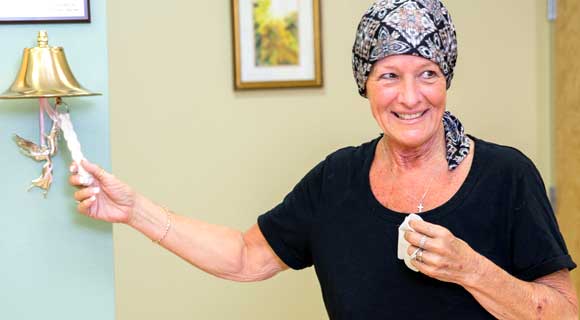
National Cancer Survivors Day allows cancer survivors to share their stories, inspire others, and connect with a community that understands their journey. It recognizes the struggles these survivors face and brings attention to the ongoing need for research, resources, and increased public awareness to improve their quality of life.
“When you talk to cancer survivors and their families, they will tell you that the effects of cancer continue beyond the completion of treatment. Survivors often face ongoing hardships, including significant financial challenges, career setbacks, and long-term physical and emotional struggles,” says Foundation spokesperson Laura Shipp.
“On National Cancer Survivors Day, we want to raise awareness of the many challenges of cancer survivorship and help promote solutions.”
Join the Celebration
The National Cancer Survivors Day Foundation encourages cancer survivors, caregivers, healthcare professionals, family members, and friends to join the worldwide celebration. To find out how your community is celebrating, contact the National Cancer Survivors Day Foundation.
You can also host a celebration using the resources available through the National Cancer Survivors Day website, ncsd.org.
Additionally, the Foundation offers a way for everyone, whether attending a local Celebration of Life or celebrating in their unique way, to connect with fellow cancer survivors and supporters worldwide on Sunday, June 1.
You can follow the celebration online using the hashtag #NCSD2025 and following National Cancer Survivors Day® on Facebook, Instagram @cancersurvivorsday, LinkedIn @cancer-survivors-day/, and X @survivorsday.
The nonprofit National Cancer Survivors Day Foundation offers free guidance, education, networking resources, and assistance to hundreds of hospitals, support groups, and other cancer-related organizations that host official National Cancer Survivors Day celebrations.
The Foundation’s primary mission is to raise awareness of cancer survivorship and improve the quality of life for cancer survivors.

Advocating for Cancer Survivors
As the population of cancer survivors grows, it is increasingly crucial to address their specific needs. In addition to coping with a serious illness, cancer survivors face many additional challenges.
These include escalating medical expenses, insufficient insurance coverage, difficulties with employment, and persistent physical, psychological, and financial issues that continue beyond the conclusion of treatment.