
Beyond the ER: Recognizing Florida Hospital Negligence and Your Rights
By Space Coast Daily // June 24, 2025
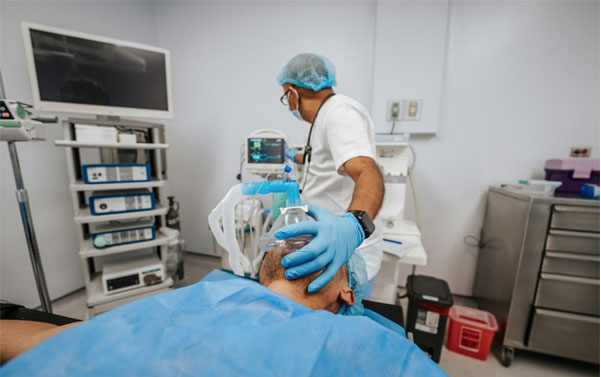
After a serious injury or medical emergency, patients often trust hospital staff to provide competent, professional care. But when a hospital in Fort Lauderdale or nearby fails to meet accepted medical standards, the consequences can be life-altering. Medical malpractice is not just about a doctor making a mistake during surgery—it includes any situation where a healthcare provider’s actions, or lack thereof, result in harm. Victims are often left dealing with worsening health, rising bills, and unanswered questions. For those seeking justice, consulting a medical malpractice lawyer in Fort Lauderdale is an essential first step.
Florida law sets a high standard for proving medical negligence, especially when hospitals are involved. Unlike typical personal injury cases, the burden falls heavily on the patient to demonstrate specific elements under strict legal procedures. These hurdles are amplified when taking legal action against large hospitals with deep legal resources, such as Broward Health Medical Center, Holy Cross Health, or Plantation General Hospital.
What It Takes to Prove Medical Malpractice in Florida
Florida has specific requirements that every medical malpractice claim must meet. The process begins long before any lawsuit gets filed and includes steps meant to screen out weak claims. Victims must not only show they were injured, but also prove the injury was directly caused by a health provider’s negligence.
To succeed in a malpractice case, you must prove:
- A provider-patient relationship existed at the time of the alleged negligence.
- The medical provider owed a duty to adhere to a professional standard of care.
- That duty was breached through an act or omission.
- The breach directly caused injury or harm.
- Measurable damages resulted, such as lost wages, additional medical bills, or pain and suffering.
Florida also mandates a pre-suit investigation process. Before filing a lawsuit, your legal team must obtain a sworn affidavit from a medical expert stating that the care in question fell below the accepted standard. This requirement adds time, cost, and complexity.
Why Suing a Florida Hospital Is Exceptionally Difficult
Hospitals in Fort Lauderdale, like Cleveland Clinic Florida or Memorial Regional Hospital in nearby Hollywood, are not only massive medical institutions but also fortified legal entities. Suing them requires more than proving a mistake occurred. You must prove that the hospital, not just an individual employee or doctor, is liable for what happened.
Many doctors working inside these hospitals are not actual employees—they are independent contractors. This distinction often protects hospitals from being held directly responsible for a doctor’s mistake. It becomes the patient’s burden to identify whether the person who caused harm was acting under hospital control at the time of the error.
Hospitals also operate with internal protocols and layers of administration that make it difficult to access records, understand decision-making chains, or determine where negligence occurred. Some institutions may aggressively protect their reputation, which can mean minimizing transparency, challenging legal claims early, or pushing back through arbitration clauses and settlement offers with strict confidentiality terms.
Hospitals use highly trained risk management teams to investigate any potential claims internally. These teams typically act fast, gather evidence, and may contact patients directly. Victims must be cautious about what they say or sign during this stage.
Signs That Hospital Negligence May Have Occurred
While not every poor outcome results from negligence, certain signs may indicate a hospital made critical errors in care. Families and patients should trust their instincts if something feels off or unexplained.
Common red flags include:
- Discharge with worsening symptoms or without proper testing
- Lack of response to emergency conditions while admitted
- Medication errors, including incorrect dosages or allergic reactions
- Delays in diagnosing serious conditions despite obvious signs
- Poor communication among departments or between staff and patients
- Being treated by inexperienced or unqualified staff during overnight hours
Recognizing these warning signs early allows patients to gather evidence, document events, and seek a second opinion—all steps that strengthen a future legal claim.
Hospitals Don’t Make It Easy—But the Law Still Protects You
Whether the incident occurred at Westside Regional Medical Center, Florida Medical Center, or another South Florida hospital, the law gives victims the right to pursue justice. However, acting quickly is crucial. Florida imposes a two-year statute of limitations from the date the malpractice was discovered—or reasonably should have been discovered. In some cases, a four-year cap applies regardless of when the injury was uncovered.
Working with an experienced attorney is critical, not just for understanding the law, but for preserving evidence and protecting your rights against a powerful institution. A hospital’s legal team will aim to shift blame, stall the case, or challenge your expert’s testimony. You need someone in your corner who knows how these defenses work and how to counter them effectively.
Get the Legal Help You Deserve Today
If you or someone you love suffered unexpected harm during or after a hospital visit, don’t wait for answers that may never come. Start a conversation with a qualified legal professional who has experience with hospital negligence cases in South Florida. A focused and experienced attorney can determine if you have a viable claim, collect the right evidence, and hold even the most well-defended hospitals accountable. Contact a trusted legal team now and take the first step toward protecting your health, your family, and your future.














