What You Need to Know About U.S. Family Immigration: USCIS Form I-130
By Space Coast Daily // June 11, 2025
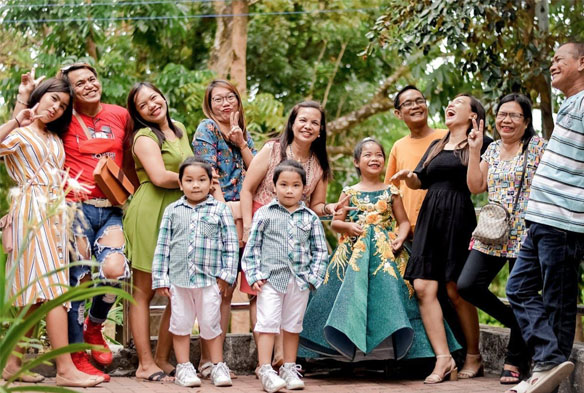
Bringing a close family member to live permanently in the United States can be one of the most meaningful steps in reuniting loved ones. U.S. immigration law provides a pathway for this through the family-based immigration process, and Form I-130, Petition for Alien Relative, is the starting point. This form is filed with U.S. Citizenship and Immigration Services (USCIS) to establish a qualifying family relationship between a U.S. citizen or lawful permanent resident (green card holder) and a relative who wishes to apply for a green card.
For petitioners who want to ensure they complete every step correctly and avoid long delays, professional support can make a big difference. Many individuals have found trusted help through immigration services from myimmigration.com, a resource for accurate legal guidance and document preparation.
Understanding the Purpose of Form I-130
USCIS Form I-130 acts as a formal request to the U.S. government to recognize a family relationship and begin the immigration process for a qualifying relative. It does not, by itself, grant a green card or legal status. Rather, it is the first of several steps toward that goal.
This form is essential for both immediate relatives of U.S. citizens, such as spouses, unmarried children under 21, and parents, as well as for those in family preference categories, such as siblings and married children. The petitioner must prove their relationship to the beneficiary through solid documentation, which will vary depending on the type of relationship.
Who Can File Form I-130 and for Whom
Only U.S. citizens and lawful permanent residents may file Form I-130, but eligibility differs depending on status. A U.S. citizen has a broader range of relatives they can sponsor, including siblings and married children, while a green card holder may only petition for a spouse or unmarried child.
Each relative requires a separate I-130 petition. For example, if a U.S. citizen wants to sponsor both a spouse and a parent, they must file two separate forms, each with its own supporting evidence. In addition, petitioners must be prepared to show they can financially support the family member once they arrive in the U.S.
Key Documents and Evidence You Must Submit
USCIS will not approve a petition without strong documentation. Incomplete or inconsistent evidence often leads to Requests for Evidence (RFEs), which can delay processing by months. Gathering accurate, complete records from the start is critical.
Documents often include:
- Proof of petitioner’s status (e.g., U.S. passport, green card)
- Birth certificates or marriage licenses showing the family relationship
- Divorce decrees or death certificates, if applicable, to a spousal petition
- Photos, correspondence, and affidavits to support marriage-based petitions
- Evidence of legal name changes, if applicable
In addition to these, you must include the correct filing fee and a completed Form G-1145 if you want electronic notification from USCIS.
What Happens After You File
Once USCIS receives your I-130, they will send a receipt notice (Form I-797C). This confirms that your petition has entered the system. Processing times vary based on the type of relative and whether the petitioner is a U.S. citizen or permanent resident. Immediate relatives of citizens generally receive faster processing, while preference category petitions may take several years.
If USCIS finds the form and documentation to be acceptable, they will approve the petition and transfer the case to the National Visa Center (NVC) for consular processing, or continue it through USCIS if the relative is already in the U.S. and eligible for adjustment of status. If USCIS denies the petition, they will provide a reason and an option to appeal or file a new petition.
Common Mistakes That Can Delay or Deny Your Petition
Filing Form I-130 may seem straightforward, but many petitions are delayed or rejected due to preventable errors. Understanding and avoiding these mistakes will help keep the process on track.
Common pitfalls include:
- Submitting incomplete or unsigned forms
- Using incorrect or outdated form versions
- Failing to include translated documents
- Missing deadlines for additional information
- Providing inconsistent information across forms
Even one small error can result in months of delay or a denial. That’s why many petitioners choose to work with reliable immigration professionals.
Start the Family Immigration Process With Confidence
If you’re ready to help a loved one move forward with permanent residency, understanding Form I-130 is just the beginning. Clear guidance, accurate documentation, and careful preparation are the foundation for a successful petition. Whether you’re sponsoring a spouse, child, or parent, taking action today can open the door to a better future.
For those seeking peace of mind through the process, experienced immigration services can offer the legal clarity and support you need. An informed start often leads to a smoother journey.