
Important Tips for Efficient Warehouse Management
By Space Coast Daily // July 6, 2025

Efficient warehouse management has become a cornerstone of successful business operations. Whether you’re handling e-commerce inventory, managing wholesale distribution, or operating a manufacturing hub, how your warehouse is organized and run directly impacts productivity, cost-efficiency, and customer satisfaction.
Poor warehouse management can result in inventory discrepancies, delays in order fulfillment, and unnecessary overhead costs. Implementing smart practices can streamline your workflow and boost profitability. Below are six vital tips to help optimize warehouse operations and ensure your storage and distribution system functions at peak performance.
Optimize Warehouse Layout for Workflow Efficiency
An effective warehouse layout is fundamental to smooth operations. It should be designed to support a logical flow of goods, from receiving and storage to picking, packing, and shipping. Creating clear pathways and minimizing travel time between zones can significantly reduce inefficiencies. As experts from Tiger Material Handling explain, high-turnover items should be stored closer to packing stations to reduce picking time. Utilize vertical space by installing taller shelving units and ensure that heavy or frequently accessed items are placed at waist height for ergonomic handling. Regularly reviewing and adjusting the layout based on seasonal demand or SKU changes can enhance efficiency.
Implement Inventory Management Systems
Manual tracking methods are prone to errors and can lead to overstocking, stockouts, or misplaced items. Utilizing an automated inventory management system (IMS) ensures real-time visibility into stock levels and locations. These systems can integrate with order management and point-of-sale platforms to streamline processes and reduce administrative burdens. Barcoding, RFID tagging, and mobile scanning tools enhance accuracy during stock receiving, picking, and cycle counting. A good IMS will offer analytics and reporting capabilities, enabling managers to forecast demand, monitor trends, and make informed decisions on restocking and warehouse space utilization.
Prioritize Employee Training and Safety
Streamline Order Picking Processes
Order picking is one of the most labor-intensive and error-prone activities in a warehouse. Choosing the right picking method, such as batch picking, zone picking, or wave picking, can greatly improve accuracy and speed. For high-volume operations, implementing voice picking systems or pick-to-light technologies can reduce training time and increase throughput. Organizing inventory based on ABC analysis, where high-demand items are given priority placement, helps minimize picking time. Reducing manual data entry by using handheld devices or wearable technology can significantly decrease errors and enhance real-time updates in your warehouse management system.
Use Data and KPIs to Drive Improvement
Data-driven decision-making is vital for continuous improvement in warehouse management. Key performance indicators (KPIs) such as order accuracy, inventory turnover, receiving efficiency, and picking productivity provide actionable insights. Monitoring these metrics regularly can help identify bottlenecks, track performance, and highlight areas needing attention. Advanced analytics tools can identify trends and enable predictive planning, which is particularly useful during peak seasons or promotional events. Sharing performance metrics with your team fosters transparency and motivates staff to meet and exceed operational goals, improving warehouse productivity and customer service levels.
Embrace Automation and Emerging Technologies
Incorporating automation into your warehouse operations can drastically improve speed and efficiency. From automated guided vehicles (AGVs) to robotic picking systems, technology can take over repetitive and physically demanding tasks, allowing human workers to focus on more strategic roles. Warehouse Management Systems (WMS) that use AI algorithms can optimize picking routes and storage assignments. Technologies like IoT sensors can provide real-time temperature monitoring for perishable goods or trigger maintenance alerts for equipment. While the initial investment in automation may be significant, the long-term benefits, such as reduced labor costs and improved accuracy, make it a worthwhile consideration for growing businesses.
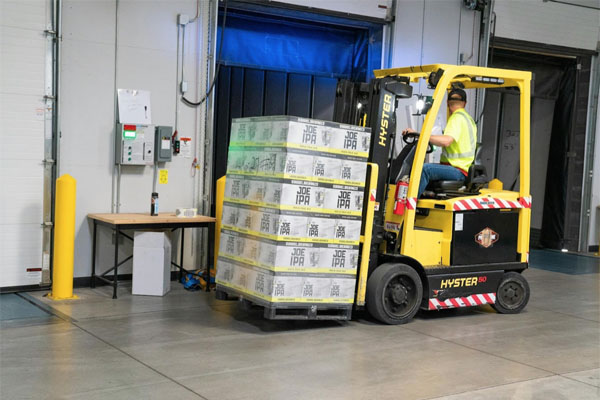
Efficient warehouse management is not just about keeping things organized. It’s about building a well-oiled system that supports your business goals, minimizes costs, and enhances customer satisfaction. By optimizing layout, implementing smart inventory tools, investing in your workforce, streamlining picking processes, using performance data, and embracing technology, your warehouse can evolve into a dynamic hub of operational excellence. With these important tips, you’ll be better equipped to meet increasing demands and stay competitive in a fast-changing marketplace.