Khadija Ali – Leading the Charge in Global Language Services and Community Empowerment
By Space Coast Daily // August 12, 2025
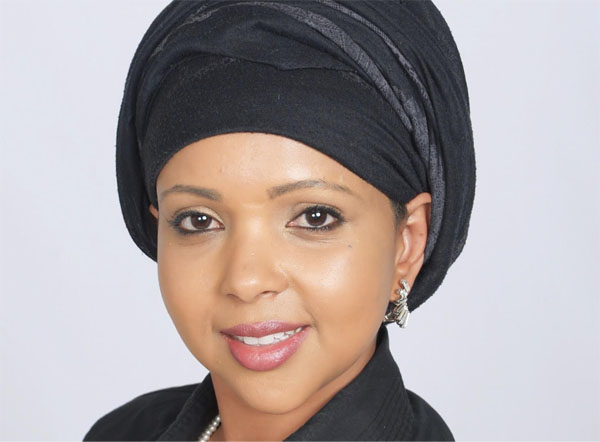
Khadija Ali is a prominent figure in the language services industry, renowned for her leadership as the President and CEO of Global Language Connections, a firm based in Minneapolis that provides comprehensive interpretation, translation, and cultural consulting services in over 200 languages. Born in Mogadishu, Somalia, Khadija Ali‘s journey to the United States was marked by resilience, as she fled the civil war with her family, ultimately resettling in 1996. These early experiences with language barriers in healthcare motivated her to dedicate her career to bridging linguistic and cultural divides.
Over the course of 13 years, she has successfully founded and led two companies, with her first venture engaging over 900 interpreters across more than 100 languages. Her second company, Global Language Connections, continues to expand its reach across numerous sectors. This article delves into an interview with Khadija Ali, exploring her insights, motivations, and experiences in her remarkable career.
Overcoming Challenges and Staying Motivated
You’ve overcome profound challenges as a refugee and now lead a multilingual, multicultural enterprise. In challenging times, what keeps you inspired and motivated to move forward?
My journey as a refugee taught me how powerful language can be as a tool of inclusion and, unfortunately, also exclusion. Knowing that my business and work can help people gain access to education and healthcare is inspiring and continues to motivate me.
The Exciting Future of Language Services
You’ve talked about staying informed through reading and leadership circles—what current trend or shift in healthcare, education, or immigration policy most excites you right now?
I’m particularly excited about the continued innovation in technology and how it’s transforming healthcare access. Recently, we’ve seen new tools like telehealth and remote services and the impact they’ve already had on healthcare and underserved communities, especially those facing language barriers. I’m eager to see how technology will keep evolving, especially in ways that promote equity, and what new initiatives will emerge to bridge longstanding gaps in care.
Addressing Language Access Challenges
What are some of the most complex or persistent challenges you’re seeing in language access today, especially those impacting marginalized communities?
Communication is essential for every community. While we proudly serve many marginalized and underserved populations, we also work with Fortune 500 companies and large institutions—language access is a universal need. One of the most persistent challenges is keeping up with the rising demand for culturally competent, qualified interpreters. As awareness around language services grows, so does the need for sustainable systems, funding, and training, especially in sectors like healthcare, education, and public services where communication can be so crucial.
The Human Element in Language Services
Where do you see the language services industry heading over the next 5–10 years, especially in light of AI and automation?
I believe that there’s so much more to language services than simply converting words from one language to another. Even as AI and automation advance, human linguists will remain essential, especially for context, localization, and cultural competency. Machines can process language, but they can’t fully capture nuance, intent, or the lived experiences behind communication. Whether in interpretation or translation, human connection and cultural understanding will always be at the heart of this work.
Advice for Aspiring Community-Centered Entrepreneurs
For young refugees or first-generation professionals interested in building community-centered businesses, what advice would you give them today?
Don’t limit yourself—go for it. Your lived experience gives you a unique perspective and resilience that can’t be taught. Surround yourself with mentors, stay curious, and stay connected to your community. The challenges may be real, but so are the opportunities to lead with purpose and make a lasting impact.
Reflections on Starting and Growing a Business
You’ve shared that you initially started offering language services as a hobby—if you were to begin your journey again, is there anything you would approach differently?
I love what I do. Looking back, I believe that when you know better, you do better—but I wouldn’t change my experience. Every challenge I faced shaped me into a stronger leader. It taught me empathy, caution, and the value of staying open-minded. I think those lessons have helped me grow deeper into my work and lead with greater purpose.
The Role of Minneapolis in Personal and Professional Life
Minneapolis has been both your home and a hub for your work. What makes it a meaningful place to live and lead?
I never actually planned to move to Minneapolis, but I started college here, got married, and had my children here. While it wasn’t part of my original plan, I ultimately fell in love with the community, the schools, and everything the city has to offer. Now, Minneapolis is the place I’ve called home longer than anywhere else, and it’s where I’ve built both my family and my work.
Achievements and Professional Milestones
From founding two companies to advising major boards, what single initiative or project stands out as your proudest professional milestone—and why?
For me, it’s not just the work I’ve done in the public eye or large milestones, it’s the behind-the-scenes work that means the most. Being a support system for my community, whether by creating jobs, mentoring others, or helping people build confidence in their careers, is what I’m most proud of.
Balancing Professional and Personal Life
You’ve mentioned early mornings, board meetings, and family time—how do you recharge outside of work, and what brings you joy?
I would say my family, my faith, and the gift of having amazing friends. Spending time with the people who matter most, whether it’s quiet moments with family or catching up with close friends, is what truly helps me recharge.
Guiding Principles and Inspirations
Is there a quote or belief you return to when faced with uncertainty or decision-making crossroads?
When I face uncertainty or tough decisions, I remind myself of Maya Angelou’s words: ‘Do the best you can until you know better. Then when you know better, do better.’ This inspires me to keep learning, stay humble, and continuously improve, knowing that growth comes with experience and reflection.
Future Aspirations and Global Influence
Looking to the future, how do you envision Global Language Connections expanding its impact on a global scale?
As we continue to grow, my goal is to broaden our reach internationally, forging partnerships with global institutions and leveraging cutting-edge technology to enhance our services. It’s important that we maintain the integrity and quality of our work while expanding, ensuring that every client feels valued and understood, no matter where they are in the world.
Vision for the Next Generation
What vision do you have for the next generation of leaders in the language services industry?
I envision a new wave of leaders who are not only adept at using technology but also deeply empathetic and culturally aware. This combination will be vital for navigating the complexities of our increasingly interconnected world. I hope to see a generation that values collaboration, access to education, and the dismantling of language barriers as fundamental rights for all communities.
Khadija Ali‘s remarkable journey from a refugee to a prominent leader in the language services industry is a testament to her resilience and dedication to fostering inclusive communities. Her vision for the future continues to inspire both her peers and the next generation of leaders.