Storage Container Solutions for Automated Warehouse Systems
By Space Coast Daily // August 20, 2025
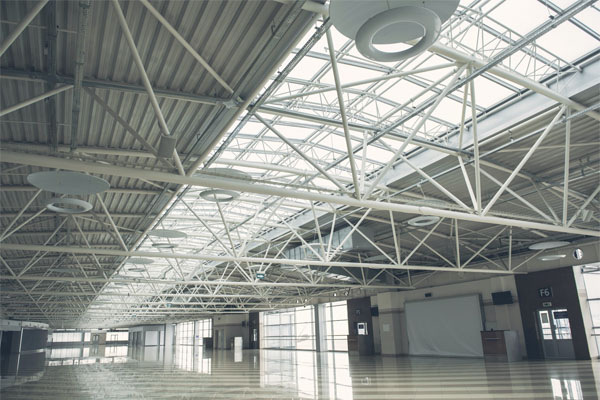
Automated warehouse systems using robotics, conveyor distribution systems, and advanced software, such systems will ensure quickened order fulfillment, improved use of space, and lower labor expense. Nevertheless, the functionality of such automation is determined not only by the machinery and the software, but by a single factor that often remains overlooked: the storage containers themselves.
When choosing the appropriate container solutions, bottlenecks, product damage, and throughput can be avoided, thus making it very important in maximizing the return on investment.
How Automated Warehouse Systems Work
Automatic warehouse systems are dependent on solutions such as reusable packaging for intralogistics. The most common technologies are:
Automated Storage and Retrieval Systems ( AS/ RS ): The containers are moved between the storage locations and work areas using a series of cranes or shuttles controlled via computer.
- Conveyor and Sortation Systems: Conveyors move the containers to various locations throughout the facility, whereas sorters are used to move containers to particular destinations.
- Automated Guided Vehicles (AGVs) and Autonomous Mobile Robots (AMRs): These are used to move containers around the warehouse without the involvement of humans.
- Goods to Person (GTP) Systems: Items that are in containers are taken to the operators instead of being them, and this saves time.
In all of these systems, a vital point of contact is the container holding the storage materials. They should be compatible with the machines, sensors, and grip or lifting apparatus.
Key Requirements for Containers in Automated Systems
The containers used in automated warehouse systems have to agree on a list of functional and technical requirements to be incorporated smoothly:
- Dimensional Accuracy
- Strength and Durability
- Weight Capacity
- Standardization
- Sensor and Machine Compatibility
- Ergonomic Design
When these requirements are not complied with by containers, the automated systems might stall, read errors, or cause the mechanical components to wear faster.
Types of Storage Containers for Automated Systems
Automated warehouses employ a wide range of fit containers to accommodate both applications and environments:
- Plastic Totes: They are long-lasting and lightweight totes that are convenient to clean. Plastic totes are suitable for AS/RS and conveyor systems. They are, in most cases, armed with strong foundations.
- Stackable Bins: Each bin is stackable, allowing the best use of vertical space, and is suitable for use in robotic systems.
- Collapsible Containers: These are practical when it comes to logistics regarding the returns because this type of container folds up to occupy no space when there are goods in it.
- Metal Bins: Metal bins are strong and capable of withstanding extreme temperatures or exposure to chemicals when there is heavy-duty use.
- Custom-Molded Containers: These are state-of-the-art containers that are designed to fit a given product or piece of equipment and provide the optimal level of safety in handling.
- Nestable Crates: These take up less space in storage when not used and are used mostly in seasonal, high-demand industries.
Depending on the possible factors, such as the type of load, the chosen method of handling, including the environmental conditions within the warehouse, the decision is made.
Benefits of Using the Right Containers
Only 25% of warehouses in the US will utilize automation by 2027; however, when committing to long-term container solutions, increased returns along the whole supply chain are a result:
- Improved Throughput: Proper containers lessen the occurrence of jams and delays.
- Minimal Wastage of Products: Rigid, stable cartons will save you the wastage of products due to vibration, collision, and wrong stacking.
- Reduced Maintenance Costs: Containers that integrate well with automations reduce mechanical strains on machines; this increases the lifespan of those machines.
- Improved use of space: Containers are stackable and standard sizes allow maximum thorough use of the space available.
- Better Traceability: There is enhanced traceability when the containers are loaded with integrated RFID or bar-codes, which enhance real-time tracking and inventory visibility.
These advantages only add to each other as time goes on, so the quality of the automated storage containers is not only a necessity that must be met, but a smart investment.
Best Practices for Choosing Containers
The choice of storage container solutions is of deep importance both with respect to their technical characteristics and actual possibilities of operation:
- Determine System Compatibility: Discuss the compatibility of the machine with automation equipment manufacturers, such as Utz, so that the dimensions and build of the selected container are suitable.
- Calculate Materials: Select container material that fits with the operating environment-temperature, humidity, and chemical exposures.
- Norms of Sizing: It is often preferable to automate based on a few standard sizes; make sure your array of picks does not overly complicate the automation by employing too many variations.
- Maintain and Replace: The longest-lasting containers have a prolonged life–put maintenance and replacement schedules in place and keep the containers in mind.
- Test First: Send a container batch into the system and pilot it before making a big commitment buy.
- Consideration of Ergonomics: In case the workers have to deal with containers, it is better to add grips, smooth edges, and handle weight capacities.
- Consider Sustainability: Think about the reusable and recyclable materials in order to minimize the impact on the environment.
These best practices allow for avoiding mismatching between containers and automation systems, as it has already proven rather expensive for businesses.
In Summary
Automated warehouse systems can bring their maximum benefit only when all their elements, starting with high-tech robotics and ending with what could at first sight be regarded as ordinary storage container solutions, operate in correlation. Instead, exactly matched, robust, and automation-compatible containers can achieve tremendous increases in throughput, mitigate downtime, and safeguard inventory.
With the world of automation technologies changing, an investment in standardized high-quality container solutions means your warehouse can stay efficient, flexible, and ready for what the next logistical challenge may bring.