Unpacking the Mystery of the Neuropathic Itch
By Space Coast Daily // September 1, 2025
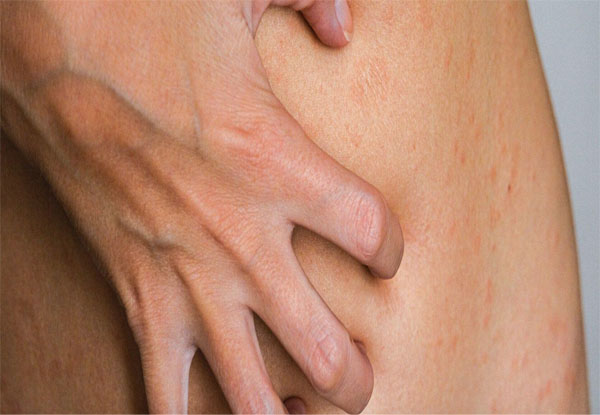
Neuropathic itch isn’t about dry skin or allergies; it’s the brain misreading nerve signals as an itch that never stops. Unlike ordinary itching, scratching only exacerbates it, and common remedies often fail to provide relief. It’s a hidden condition that feels endless and demands a different kind of answer.
Picture an itch so relentless it keeps you awake at night, untouched by creams or scratching. That’s the world of neuropathic itch, an underrecognized disorder that blurs the line between dermatology and neurology.
With more cases emerging and little public awareness, researchers are racing to decode this stubborn sensation and uncover ways to finally bring relief.
Let’s go through what to know about neuropathic itch.
Understanding Itching Causes: What is Neuropathic Itch?
Neuropathic itch is a type of chronic itching that stems not from the skin, but from the nervous system itself. The sensation arises when damaged or malfunctioning nerves send false signals to the brain.
The result is an itch that feels real and often relentless, even though no visible skin irritation exists. Unlike ordinary itching, which typically responds to scratching or topical remedies, neuropathic itch rarely improves with these approaches.
Many patients describe it as a burning, tingling, or crawling sensation just beneath the surface, one that grows more intense the more they try to relieve it. Because it originates in nerve pathways rather than the skin, standard treatments usually fall short.
How Neuropathic Itch is Different
Most itches are a natural response to irritants like:
- Dust
- Bug bites
- Dry skin
- Chemical irritants
- Sunburn or heat rash
These irritants trigger specialized receptors in the skin. Scratching interrupts these signals and usually provides quick relief.
Neuropathic itch, on the other hand, doesn’t follow this pattern. The problem isn’t on the surface of the skin but deeper in the nervous system, where damaged or overactive nerves miscommunicate with the brain. This difference explains why traditional remedies often fail.
Neuropathic itch is fueled by faulty nerve signals, not histamine or inflammation. The sensations it produces can also feel distinct: many patients report burning, tingling, or stabbing feelings that intensify at night or when the affected area is touched. Instead of relief, scratching can make the experience worse by further irritating hypersensitive nerves.
Common Causes of Neurological Skin Issues
Neuropathic itch can arise from a wide range of conditions that damage or disrupt the nervous system. Unlike ordinary itching, which typically comes from skin irritation, these causes are rooted in faulty communication between nerves and the brain.
One of the most well-documented triggers is shingles, particularly when it leads to postherpetic neuralgia. After the rash heals, lingering nerve damage can cause persistent, localized itching that resists standard treatments.
Peripheral neuropathy is another frequent source. It’s often linked to:
- Diabetes
- Vitamin deficiencies
- Chronic alcohol use
- Lyme disease
In these cases, the nerves in the hands, feet, or other extremities misfire, creating burning, tingling, or itching sensations. Neuropathic itch can also follow spinal cord injuries or pinched nerves, where the disruption in nerve pathways causes abnormal sensations above or below the injury site.
Multiple sclerosis is another neurological disorder known to produce itching episodes, as the immune system attacks nerve fibers and alters sensory signals. Even less common conditions, such as brain tumors or strokes, may cause itching if they affect areas of the brain responsible for processing sensory input.
Treatment Options for Nerve-Related Itching
Managing neuropathic itch requires a different approach than treating ordinary skin irritation. Since the root cause lies in the nervous system, therapies aim to calm overactive nerves and reshape how the brain interprets itch signals. Relief often comes from a combination of medications, topical solutions, and supportive therapies tailored to each patient’s condition.
Doctors may prescribe neuromodulating drugs such as gabapentin or pregabalin, which reduce abnormal nerve firing and help quiet the sensation. In some cases, antidepressants are also effective because of their impact on nerve-signaling pathways.
For localized itching, topical treatments like the ones available through Neuro Health can desensitize nerve endings and provide targeted relief. Beyond medication, interventional techniques such as nerve blocks or transcutaneous electrical nerve stimulation may be used to interrupt faulty signals.
Patients also benefit from integrative strategies:
- Cooling the skin
- Practicing stress reduction techniques
- Working with a therapist to manage the emotional strain that chronic itch creates
- Maintaining good sleep hygiene
- Joining support groups
Because neuropathic itch rarely responds to a single remedy, most people find the best results with a multi-pronged treatment plan guided by a medical professional.
Neuropathic Itch: Now You Know
Struggling with neuropathic itch isn’t fun. Now that you know more about it, you should be better able to manage it.
Are you looking for more health advice in New York? Pix11 has all the information you need.
FAQ
Does anxiety cause neuropathic itch?
Anxiety itself doesn’t directly cause neuropathic itch, but it can make the symptoms worse. Stress and anxiety heighten the body’s sensitivity to nerve signals, which may intensify itching that already stems from nerve damage or dysfunction.
In some people, anxious thoughts also lead to more scratching, creating a cycle of irritation and discomfort. While anxiety is not the root cause, managing stress can reduce intensity. You can try:
- Relaxation techniques
- Therapy
- Mindfulness
- Physical activity
What vitamin deficiency causes neuropathic itch?
Vitamin B12 deficiency is the one most often tied to neuropathic itch. Low B12 can damage nerves, leading to burning, tingling, or itching that doesn’t come from the skin itself.
In some cases, low B6 may play a role, too. Because these vitamins are vital for nerve health, a shortage can make the nervous system misfire. A simple blood test can spot the problem, and correcting the deficiency under medical guidance can ease symptoms.
How to satisfy neuropathic itch?
Neuropathic itch is notoriously difficult to satisfy because scratching does little to quiet the misfiring nerves that cause it. Instead of digging at the skin, relief usually comes from calming the nervous system itself.
Since triggers and responses vary widely, the most effective way to satisfy a neuropathic itch is to work with a healthcare provider to build a tailored plan that addresses both the physical sensations and the emotional strain.