Longevity, The Spanish Way: The Iberian Table and the Diet of the World’s Oldest Woman
By Space Coast Daily // October 28, 2025
When it comes to the secret of healthy living and aging gracefully, there’s no one big magic secret that can make anyone live past 100. People who live to be supercentenarians are often considered to live longer because of a combination of genetic factors and healthy lifestyle choices. But when Spanish researchers performed a genetic study of María Branyas Morera, a Spanish woman who died last year at age 117 as the world’s oldest living person, they got a scientific look at exactly what factors make a person live longer. In Branyas’ case, in addition to having good genetics and making healthy lifestyle choices, the supercentenarian also followed a mostly Mediterranean diet that included olive oil and three servings of yogurt a day.
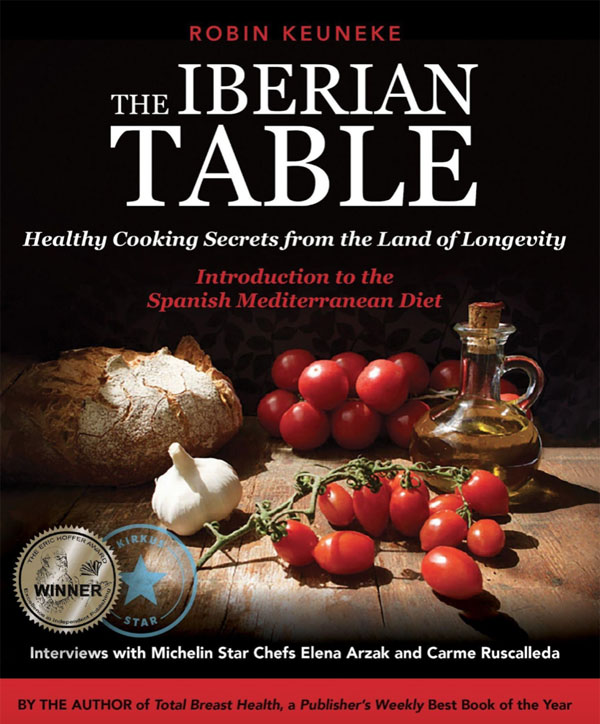
This research shows a similar conclusion to the thesis of Robin Keuneke’s The Iberian Table: Healthy Cooking Secrets from the Land of Longevity – Introduction to the Spanish Mediterranean Diet (2024, Kirkus Starred Review). As an author, fine artist, and health advocate, Keuneke set out to write a book exploring the unique health benefits of the Spanish Mediterranean diet, in particular its pronounced impact on health and longevity.
“María Branyas embodied the principles I write about in The Iberian Table,” said Keuneke. “Her life proves that nourishing food, community, and joy are as essential as genetics when it comes to resilience and vitality.”
The Mediterranean diet varies slightly from country to country, but most tend to include heart-healthy ingredients like olive oil, fresh vegetables, lean proteins, and legumes. Unlike other countries’ versions of the Mediterranean diet, the Spanish Mediterranean diet incorporates many of Spain’s native, nutritious ingredients, such as Catalan tomatoes and Manzanilla olives. The Iberian Table explores this diet in a format that blends easy-to-follow recipes, nutrition expertise, and masterful storytelling. Keuneke shares much of the science behind why certain foods are associated with longevity and how to incorporate those ingredients in a way that’s both flavorful and convenient.
Keuneke has a long history in the culinary arts and wellness field, having devoted decades to the study of natural foods and health. Alongside a successful painting career in New York City, which included exhibitions in London and permanent works in The New York Public Library, Keuneke pursued a comprehensive natural foods education, teaching workshops and making guest appearances on national radio programs. Keuneke has written several health-related books before The Iberian Table, including the best-selling health book, “The Total Breast Health” (Kensington Books, 1998), and “The Detox Revolution” (McGraw-Hill, 2003), which she co-authored with Thomas J. Slaga.
Upon its release, The Iberian Table earned the title of Amazon’s “#1 Hot New Release in Spanish Wine and Food.” Since then, the book has been deemed prescient for its focus on Spain’s reputation for longevity, a fact bolstered by the study of Branyas as well as CNN’s findings in 2025. Second only to Japan in total life expectancy, Spain and the Spanish Mediterranean diet have continued to show a remarkable association with longevity that can be replicated through a few easily accessible foods.
Not everyone can have the same youthful cell health and protective genetic variants that researchers found in their study of Branyas. However, the same dietary choices associated with the Spanish Mediterranean diet—including olive oil, legumes, and the probiotic-rich yogurt Branyas loved to eat three times a day—are accessible to everyone. The Iberian Table not only explores why these foods are associated with longevity, but it also breaks down barriers to health-conscious eating through recipes that are as convenient as they are delicious.