
Community Efforts Strengthen Local Public Health Resilience
By Space Coast Daily // November 21, 2025
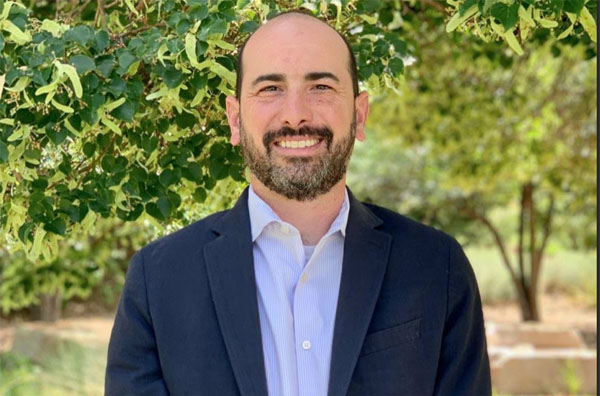
Public health leaders are often introduced to communities during moments of crisis. They stand in front of cameras during fire seasons, severe weather, disease outbreaks, or moments when emergency departments are stretched thin. Yet the real story of community health engagement takes place long before headlines appear. It unfolds quietly in neighborhood meetings, local clinics, volunteer groups, and policy discussions. In Colorado, many of these efforts have been shaped by the work and influence of Scott Bookman, a longtime figure in health policy and management and someone who has spent more than twenty years guiding teams through some of the most difficult challenges in modern public health.
While he is widely known for his time leading Colorado’s statewide COVID response, his impact reaches well beyond crisis management. Over the course of his career, he has held leadership roles in Emergency Medical Services, directed a Federally Qualified Health Center serving rural families, and worked closely with state and federal agencies to strengthen emergency preparedness systems. These experiences have made him a recognizable voice in conversations about health promotion and education and the future of community level engagement.
This article explores how community health projects are reshaping local systems across the country and how experts like Scott Bookman help translate policy ideas into real world solutions that improve lives.
The Shift Toward Community Driven Public Health
Across the United States, public health agencies are moving toward stronger community partnerships. Researchers and practitioners have pushed for models that move systems closer to the people they serve. The goal is simple. When communities help design programs, the programs tend to work better.
Colorado’s health agencies were early adopters of this approach. The state’s geography alone requires close local collaboration. Mountain towns face challenges that look nothing like those in downtown Denver. Rural plains communities operate with entirely different levels of access to transportation, clinics, mental health services, and emergency care.
Leaders like Scott Bookman have spent years working directly with these communities, learning how to navigate local needs, limited resources, and the realities of public trust. During his tenure in public health leadership, he repeatedly emphasized that engagement cannot begin only after a problem appears. Instead, local systems need continuous communication and meaningful involvement long before emergency preparedness becomes urgent.
Lessons From Emergency Response Work
Community readiness is shaped by routine practice, not just crisis response. People familiar with Scott Bookman’s work often point to his experience as a statewide incident commander as an example of how long term preparation pays off. He led Colorado’s COVID response while the state faced destructive wildfires, winter storms, and ongoing pressure on hospitals.
Much of that work traces back to his earlier career. As a longtime EMS leader in Denver, he oversaw operations at the airport, served as a paramedic supervisor, supported trauma coordination across health systems, and helped reorganize a struggling paramedic division until it functioned efficiently again. Those experiences shaped how he viewed emergency preparedness at the community level and provided insight into how systems can fail without strong local partnerships.
Experts in emergency management often argue that the field must work closely with public health agencies, community organizations, and neighborhood leaders. Emergency plans look good on paper, but they only succeed if people know what to expect and trust those guiding the response. This is why emergency preparedness is now integrated with health promotion and education. Communities that understand their risks tend to recover more quickly and experience fewer long term impacts.
Community Health Centers as Anchors
One of the most instructive periods in Scott Bookman’s career came during his time overseeing a Federally Qualified Health Center in western Colorado. The clinic served a rural region facing significant access challenges and low health literacy. It was a setting where health promotion required steady relationship building. The center’s work involved far more than routine medical care. It included educating families about chronic disease, encouraging preventive screenings, strengthening pre hospital coordination, and building partnerships with local leaders.
Community health centers like this one often serve as anchors in public health engagement because they reach populations that larger systems sometimes overlook. When these centers thrive, the surrounding communities benefit from more accessible care, stronger referral networks, and tailored outreach efforts that reflect local culture and conditions.
The experience also reinforced how health policy and management directly influence real world outcomes. Changes in federal regulations, funding structures, staffing models, or community resources are felt first in rural and underserved regions. Leaders who understand these dynamics can respond quickly, adjust workflows, and ensure the continuity of care.
Bridging Policy and Practice in Colorado
Public health policy often seems distant from the everyday concerns of residents, yet policy decisions shape how local systems function. In Colorado, the blend of state level strategy and community engagement has been essential, particularly during the pandemic and the years that followed.
During the COVID response, Scott Bookman worked closely with state partners and federal agencies to coordinate testing, vaccination, communication, and resource allocation. Many of those initiatives depended on partnerships with community organizations, local health departments, hospitals, and grassroots groups. It required an approach that blended data driven decision making with an understanding of community needs and expectations.
That period also emphasized the value of collaboration between state agencies and academic institutions. Public health schools, including those focused on health policy and management, played a key role in supporting statewide initiatives. These institutions provided research, policy guidance, and pipeline development for emerging professionals. The combination of experienced leaders and early career practitioners created a network capable of adapting quickly as conditions changed.
Investing in Health Promotion and Education
Community engagement extends beyond emergency response and policy decisions. It includes long term health promotion and education efforts that equip people with knowledge and tools to improve their own wellbeing.
In Colorado, health promotion campaigns have covered topics such as wildfire smoke exposure, mental health support for frontline workers, chronic disease management, and access to preventive screenings. These campaigns succeed when they are grounded in everyday reality rather than broad messaging.
Throughout his leadership roles, Scott Bookman frequently emphasized the importance of supporting frontline workers. Paramedics, public health staff, and emergency responders face extreme stress during prolonged emergencies. Promoting their wellness becomes a community health issue. When the people providing care are exhausted, the entire system is at risk.
This perspective reflects a broader shift in public health. The field increasingly recognizes that community health engagement must include support for the workforce that carries out this work. Training, mental health resources, and operational support are now considered essential components of long term public health strategy.
The Changing Landscape of Local Preparedness
Emergency preparedness has evolved significantly over the past decade. Communities now face threats that range from wildfire seasons that grow longer each year to extreme weather events and emerging diseases. Local systems must be able to adapt quickly, and that adaptation requires more than equipment or plans.
It requires trust.
Colorado’s diverse landscape has taught public health professionals that standardized approaches rarely work. What is effective for a resort town might not apply to an agricultural community. A model that fits Denver may be impractical for regions hours away from the nearest hospital.
Leaders like Scott Bookman have helped shape statewide strategies that acknowledge these differences. This includes building relationships with local officials, enhancing coordination among EMS agencies, and developing communication strategies that meet communities where they are.
Preparedness now includes education campaigns, community planning groups, integration with local schools, outreach to businesses, and coordination with transportation networks. These elements support both everyday resilience and crisis response.
Why Community Partnerships Matter More Now Than Ever
The most successful public health projects tend to be those built on genuine partnerships. Communities want involvement, transparency, and an understanding of how decisions are made. They also want assurance that systems will protect those most at risk.
This is where experienced leaders play an important role. People like Scott Bookman bring knowledge gained from decades of working across emergency services, health systems, and rural communities. Their experience helps shape programs that consider the complexities of both policy and practice.
In many ways, the future of public health depends on how well agencies can maintain these partnerships over time. Community engagement is not a trend. It is a structural necessity in a country where needs vary significantly from place to place.
Moving Forward With a Broader View of Community Health
As public health continues to evolve, the emphasis on community involvement will only grow stronger. Local voices shape how systems prepare for emergencies, educate families, support frontline workers, and address gaps in access.
Leaders who have spent their careers connecting policy with community experience understand how critical this balance is. Scott Bookman is one of those leaders, and his work in Colorado offers a clear example of what community health engagement can look like when it is grounded in trust, collaboration, and long term commitment.















