
First Gorilla Born in Captivity On This Day in 1956, Marked Turning Point for Gorilla Conservation
By Space Coast Daily // December 22, 2025
How One Gorilla’s Birth Changed the Way Zoos Protect Wildlife
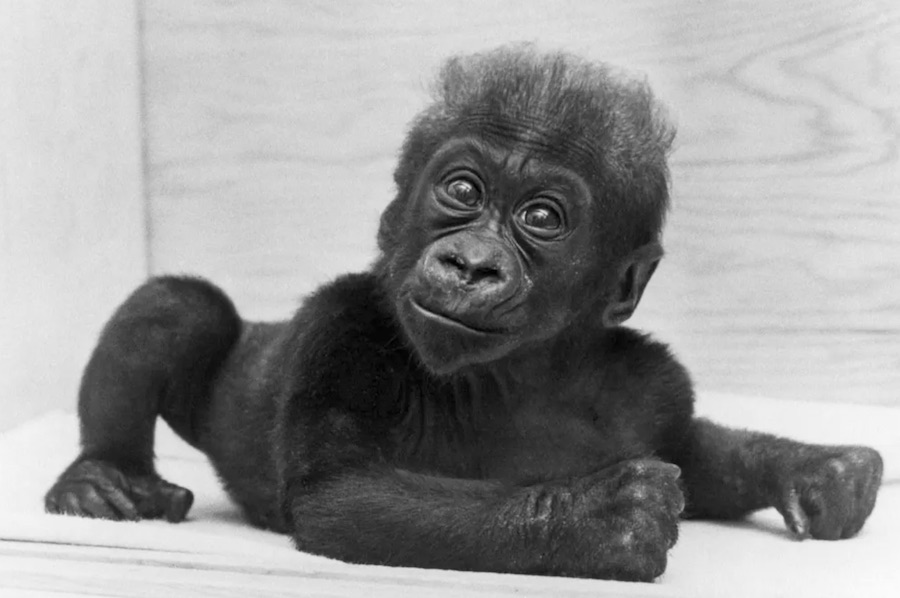
On December 22, 1956, a milestone in wildlife history quietly unfolded at the Columbus Zoo in Ohio. A tiny western lowland gorilla named Colo was born weighing just four pounds, becoming the first gorilla ever born in captivity.
This event would reshape how zoos worldwide approach animal care and conservation.
Colo’s name combined “Columbus” and “Ohio,” a nod to her birthplace. She was the daughter of Millie and Mac, two gorillas captured in French Cameroon and brought to the zoo in 1951. At the time, virtually all gorillas in zoos had been taken from the wild, a process that often involved killing adult gorillas so infants could be captured and transported.
The successful birth of Colo offered a powerful alternative. Gorillas, native to Africa, are intelligent and generally peaceful animals that live in small family groups led by a dominant male known as a silverback. Of the three subspecies — western lowland, eastern lowland, and mountain gorillas — western lowland gorillas are the most common in captivity.
When Colo was born, zookeepers faced a new challenge. Many captive gorillas had never observed parenting behaviors in the wild, including Colo’s parents. As a result, the Columbus Zoo constructed a special nursery, and Colo was raised by human caretakers. That early experience would later influence how zoos worldwide developed improved habitats and parenting programs for great apes.
In the decades that followed, zoos shifted toward environments that better replicate natural gorilla habitats. Today, most captive-born gorillas are raised by their mothers, with surrogacy programs in place when human intervention is temporarily necessary.
Colo herself became a symbol of that progress. She went on to have children, grandchildren, and even great-grandchildren. In 1996, she became a great-grandmother when Timu was born — the first surviving gorilla conceived through artificial insemination. Timu later gave birth to her own offspring in 2003, further underscoring advances in captive breeding science.
Gorillas face ongoing threats in the wild, including habitat loss and poaching. While they can live an average of 35 years in the wild, those in captivity often live into their 50s. Today, an estimated 750 gorillas live in captivity worldwide, while roughly 100,000 lowland gorillas — and far fewer mountain gorillas — remain in the wild.
Modern zoos now focus heavily on conservation, education, and ethical breeding practices. Many institutions have pledged not to acquire gorillas born in the wild, relying instead on carefully managed breeding programs.
Colo died in 2017, but her legacy endures. Her birth marked a turning point that helped transform zoos from collectors of wildlife into stewards of species survival, offering hope for gorillas at a time when their future remains uncertain.













