How Audio, Video, and Lighting Shape Live Events Today
By Space Coast Daily // December 24, 2025
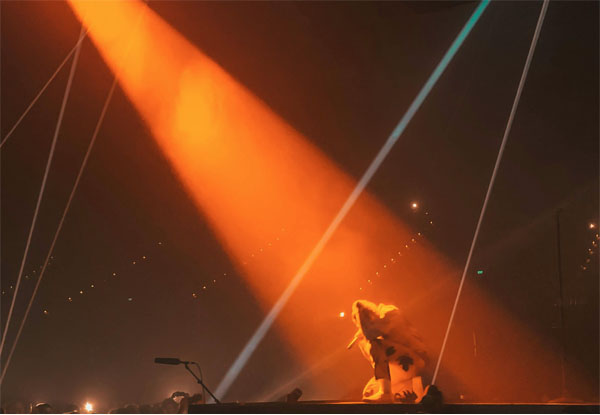
San Diego hosts some of the largest conferences and public gatherings on the West Coast, placing steady demands on the audio, video, and lighting systems that support them. As events grow in scale and complexity, the technical work behind live production has become a quiet but essential part of how these gatherings function.
Live events do not leave much room for error anymore. When people walk into a large room, they expect to hear the speaker, see what is happening on stage, and follow what comes next without confusion. If any of that breaks down, it tends to be noticed immediately.
That expectation applies whether the setting is a convention hall, a hotel ballroom, or an outdoor venue near the water.
In cities that host major events year after year, those expectations show up quickly. San Diego is one of those places. Its calendar is packed with conferences, trade shows, corporate meetings, and public gatherings, many of which overlap. Behind the scenes, most of them depend on audio, video, and lighting systems working without interruption from setup through teardown.
Why San Diego Has Become a Major Hub for Live Events
San Diego’s position as a major event destination is tied as much to logistics as to location. The San Diego Convention Center anchors much of the city’s conference activity and routinely hosts national and international events across technology, healthcare, defense, and life sciences.
According to Visit San Diego, conventions held at the Convention Center generated an estimated $1.5 billion in regional economic impact during fiscal year 2024. That figure reflects more than attendance numbers. Large conferences often run for several days and involve multiple sessions happening at the same time. Keynotes, panels, workshops, and exhibitor presentations all share the same technical backbone.
Outside the Convention Center, the city regularly hosts events that spread across multiple locations. San Diego Comic-Con is one of the most visible examples, generating more than $160 million in regional economic impact in a single year. Programming extends across hotels, theaters, outdoor activations, and temporary installations downtown. Coordinating production across that many sites is a different challenge than managing a single venue.
How Technical Production Supports Large Live Events
In a market like San Diego, an av san diego service supports the operational side of live events. The work is not limited to placing microphones or hanging screens. It involves coordinating sound, video, and lighting across venues with different layouts, ceiling heights, and technical constraints.
Large convention halls require audio systems that carry speech evenly across wide spaces. Speakers may be positioned far from parts of the audience, and clarity matters more than volume. Corporate sessions often rely on high-resolution projection or LED displays so slides and video remain readable from the back of the room.
Hybrid formats add pressure. In-person audiences and remote viewers need to receive the same content at the same time. That means managing live feeds, presentation sources, and room audio without delays. Outdoor venues introduce another set of variables, including background noise, changing light, and exposure to weather.
Audio and Visual Requirements at San Diego Conferences and Corporate Gatherings
Conferences and corporate events make up a large share of San Diego’s event schedule. These settings are usually tightly planned. Sessions follow one another with little buffer time, and technical issues can quickly affect the rest of the day.
Audio systems need to stay consistent over long programs, sometimes lasting several hours without breaks. Feedback, dropouts, or uneven coverage become noticeable quickly in large rooms. Visual setups have grown more complex as presentation formats have changed.
Many events now rely on multiple screens, live switching between speakers, and real-time content feeds. Presenters may appear alongside remote contributors or pre-recorded material. Some sessions involve live demonstrations or data displays that must stay synchronized across screens. All of it has to work together without drawing attention away from the content.
Industry data reflects how common this has become. Allied Market Research estimates the global event professional AV services market will grow from $28.6 billion in 2021 to $56.9 billion by 2031. San Diego’s conference-heavy calendar mirrors that growth at a local level.
Lighting and Production Challenges at Outdoor and Waterfront Venues
San Diego’s climate makes outdoor events common for much of the year. Waterfront hotels and venues near San Diego Bay regularly host evening receptions, launches, and public gatherings. These settings are popular, but they introduce production challenges that do not exist indoors.
Lighting conditions can change quickly outdoors. Early portions of an event may rely on natural light. As the sun sets, controlled lighting becomes necessary for stages, walkways, and seating areas. Adjustments often need to happen while an event is already underway.
Audio presents its own issues. Wind, open space, and background noise affect how sound travels. Without walls or ceilings to contain it, coverage depends heavily on placement and tuning. Outdoor production in San Diego often requires different planning than indoor events, even when the audience size is similar.
How Live Event Technology Has Changed Audience Expectations
As production tools have improved, tolerance for technical problems has dropped. Attendees expect presentations to start on time. Screens are expected to work. Transitions between speakers should not feel improvised.
That expectation builds through repetition. People who attend events regularly notice when production runs smoothly. They also notice when it does not. Once audiences grow used to consistent technical quality, it becomes the baseline.
In cities with frequent large events, such as San Diego, these standards are reinforced year after year.
What Goes Into Coordinating Large-Scale Event Production
Most of the work behind large events happens out of sight. Production teams operate on tight schedules, coordinating delivery, setup, testing, and teardown, often while other events are taking place nearby.
Coordination goes beyond technical crews. Venue staff, organizers, security teams, and service providers all work within shared timelines. In convention-heavy buildings, a delay in one room can affect activity elsewhere, especially when sessions are scheduled back-to-back.
San Diego’s broader creative and technical workforce supports this ecosystem. Regional data shows that creative and related industries contribute more than $10 billion in economic activity across the county. That figure reflects not only live events but also the wider network of media, design, and technical services that support them.
Scaling Event Production in a High-Demand City
As San Diego continues to attract major events, scaling production capacity becomes a practical concern. Conventions, festivals, and corporate programs often overlap throughout the year, placing sustained demand on venues, equipment, and skilled personnel.
Scaling does not simply involve adding more equipment. It involves managing inventory, moving crews between sites, and keeping systems ready on short notice. Events rarely unfold exactly as planned, which makes flexibility as important as preparation.
This kind of pressure is common in cities that host events at volume.
Operational Feedback Loops and Event Performance
Technical performance shapes how events are remembered. Programs that run smoothly tend to attract repeat bookings. Technical issues tend to do the opposite, even when they are minor.
In San Diego’s competitive event environment, consistency carries weight. Reliable audio, video, and lighting help events meet expectations and support the city’s reputation as a capable host.
San Diego’s event calendar shows how technical production has become part of the foundation of modern live events. As expectations continue to rise, that role is unlikely to fade.