New Research Highlights Challenges in Validating Vote-By-Mail Ballots
By Beth York // March 15, 2026
The research highlights Florida
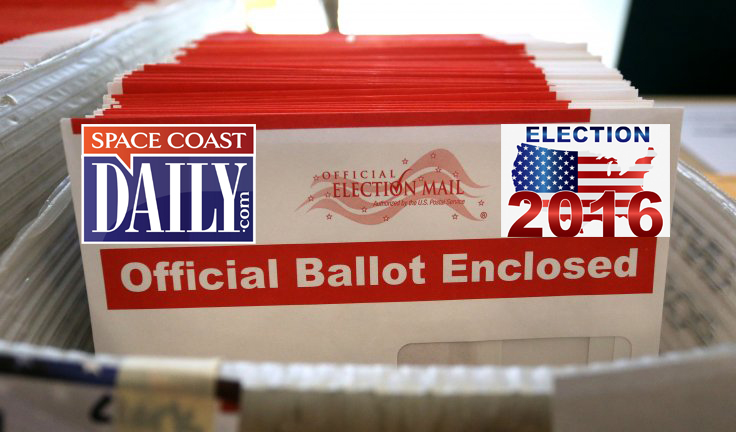
A newly published political science study finds that the process of validating vote-by-mail ballots in the United States remains highly subjective and varies widely across jurisdictions, raising concerns about consistency in election administration and voter equity.
The research, titled Validating Vote-by-Mail Ballots: The Subjective Nature of …, underscores how differences in how local officials review and accept mailed ballots could influence whether votes are counted.
The authors note that although voting by mail has become an established electoral practice nationwide, millions of voters rely on mail ballots in every election cycle. How election workers interpret ballots and associated voter signatures can differ substantially from one locality to another, meaning voters in some areas may face greater hurdles to having their ballots validated than voters elsewhere.
The research highlights Florida as a representative case where vote-by-mail validation procedures and outcomes have drawn significant attention. In recent years, Florida’s system has experienced variation in how mailed ballots are reviewed and whether voters have opportunities to remedy signature or procedural issues.
Reports from civic groups and nonpartisan monitors have found that rejection rates for mail ballots can vary across the state’s 67 counties and that younger voters and voters from racial and ethnic minority groups have historically faced higher rates of rejected ballots or challenges in curing problems than other voters.
Florida law requires supervisors of elections to notify voters when a returned ballot has a missing or mismatched signature and allows voters a brief window to “cure” the issue by submitting an affidavit and appropriate identification.
The procedures for curing and the consistency of notifying voters have varied by county, contributing to disparate outcomes in whether mailed ballots are ultimately counted.
Election experts say the findings reinforce calls for more standardized approaches to mail ballot verification and clearer guidance for election workers.
They argue that greater uniformity could help reduce subjective judgment calls that may inadvertently disenfranchise voters and improve overall confidence in the integrity of elections.
The study’s authors suggest that, as vote-by-mail continues to be a significant component of voter participation, especially in states like Florida, election officials and policymakers should consider reforms that promote fairness and consistency in ballot validation procedures nationwide.
 Related Story:
Arrests In Brevard County: March 11, 2026 – Suspects Presumed Innocent Until Proven Guilty