Streamlining Collective Travel: Efficiency and Comfort in Modern Fleet Management
By Space Coast Daily // March 11, 2026
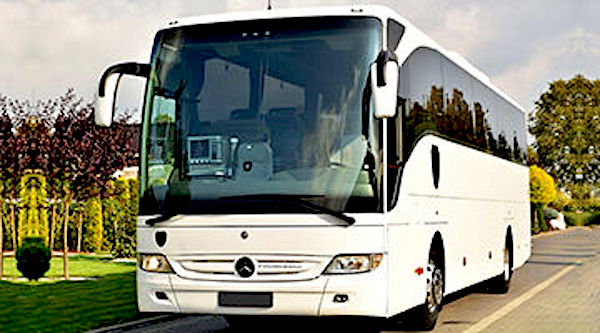
Organizing large-scale events or managing group travel for organizations presents a complex puzzle: how do you ensure everyone arrives comfortably, on time, and with minimal stress? The right logistics strategy can transform a daunting transportation challenge into a seamless experience, benefiting both organizers and participants. By understanding the essential factors and available solutions, you can design a plan that balances efficiency, cost, and comfort for all.
Assessing Needs for Group Logistics
The first step in choosing a group logistics strategy is a thorough assessment of your event’s unique requirements. Consider the event type, size, and specific needs of your group. For instance, transportation for conferences and conventions often demands punctuality and the capacity to accommodate fluctuating schedules, while school field trips might prioritize safety and supervision. Identify the number of attendees, pickup and drop-off points, timing constraints, and any special accommodations such as accessibility. This foundational assessment shapes every subsequent decision in your group logistics plan.
Selecting Fleet Types and Sizes
Once you understand your group’s needs, evaluate the fleet options available. The variety of vehicles—ranging from minibuses to full-sized coaches—means you can match capacity to your group size and comfort preferences. Larger events might require a combination of vehicle types to address different group segments, such as VIPs, staff, or general attendees. The proximity of venues and parking availability also play a role in choosing between multiple small vehicles versus fewer large ones. Making the right fleet selection helps minimize costs, maximize efficiency, and ensure a smooth experience for all participants.
Key Factors in Route Planning
Effective route planning is at the core of successful group logistics. Consider traffic patterns, event schedules, and potential bottlenecks when mapping routes. Utilize real-time navigation tools to adjust for unexpected delays and ensure punctual arrivals. For multi-venue events, coordinated shuttles can facilitate movement between locations without overwhelming local infrastructure. Group logistics plans must also include contingency options for emergencies or last-minute changes. Well-designed routes not only improve efficiency but also reduce stress for both travelers and organizers.
Special Considerations for Community and Faith-Based Organizations
Community gatherings and faith-based events often have unique requirements that differ from corporate or entertainment-focused groups. For example, church bus rentals may prioritize affordability, accessibility for all ages, and flexible scheduling for multi-day retreats or outreach programs. Organizers should consider the demographic makeup of their group, potential mobility challenges, and the need for amenities such as storage for equipment or refreshments. Additionally, fostering a comfortable and welcoming environment during transport can enhance the sense of community and make the event more meaningful for participants.
Checklist: Choosing the Right Logistics Provider
Selecting a reliable logistics partner is crucial for group travel success. Use this checklist to evaluate your options:
• Does the provider have a modern, well-maintained fleet?
• Are drivers professionally trained and background-checked?
• Can they accommodate special needs (wheelchair access, dietary restrictions)?
• Is the provider experienced with events similar to yours?
• Do they offer flexibility in scheduling and routing?
• What contingency plans are in place for delays or emergencies?
• Are pricing and policies transparent and clearly communicated?
• Does the provider hold all required licenses and insurance?
Careful evaluation using these criteria can help you avoid logistical pitfalls and ensure a positive experience for everyone involved.
Scalability and Flexibility for Growing Events
Large-scale events and organizations often experience changes in attendance, timing, or venue. Your group logistics strategy should be scalable and adaptable to meet these evolving needs. Consider providers and solutions that offer flexible contracts, real-time communication, and the capacity to deploy additional vehicles if required. For instance, quick access to a 30 passenger bus rental near me can be invaluable when last-minute attendee numbers surge or when transporting smaller teams to breakout sessions.
Balancing Cost, Comfort, and Sustainability
Budget constraints are a reality for most organizations, but cost must be weighed against the comfort and satisfaction of attendees. Bulk transportation options often yield savings over individual travel reimbursements, and modern fleets can offer amenities like Wi-Fi, climate control, and onboard restrooms. Additionally, consider the environmental impact of your logistics plan. Consolidating trips, selecting fuel-efficient vehicles, and coordinating group pickups all contribute to more sustainable event management. In today’s landscape, demonstrating a commitment to sustainability can also enhance your organization’s reputation.
Communication and Coordination
No logistics plan succeeds without clear communication between organizers, transportation providers, and participants. Deliver detailed itineraries, pickup locations, and contact information well in advance. Use digital tools for real-time updates to handle any on-the-ground changes. Assigning coordinators or liaisons to each group or vehicle can further ensure that instructions are followed and questions are promptly addressed. Effective communication minimizes confusion and builds trust among all parties.
Conclusion
Selecting a group logistics strategy for large-scale events and organizations involves careful planning, precise execution, and the ability to adapt to changing circumstances. By assessing needs, choosing the right fleet, planning routes, accommodating special requirements, and ensuring scalability, event organizers can deliver efficient and comfortable travel experiences. As expectations and technologies evolve, so too will the strategies that underpin group mobility, setting new standards for efficiency and comfort.