What Florida Law Really Says About Interior Car Lights
By Space Coast Daily // March 23, 2026
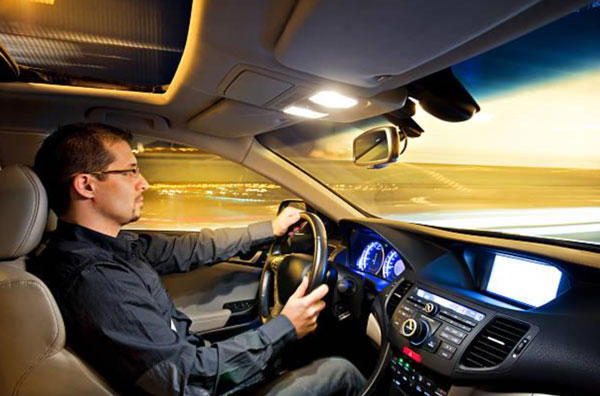
Driving with the interior light on is not specifically illegal under Florida law. State traffic regulations do not prohibit the use of a vehicle’s interior dome light while driving.
Many drivers search, “Is it illegal to drive with interior lights on?” because they have heard warnings that turning on the lights can lead to a ticket. In most cases, the concern relates to driver distraction or reduced visibility rather than a direct violation of traffic law.
Understanding what Florida law actually says about interior car lights can help clear up this common misconception and explain when interior lighting could still become a safety issue.
Why Many People Think Interior Lights Are Illegal
The belief that interior lights are illegal while driving is very common. Parents often tell children to turn them off because they make it harder to see the road at night.
The light inside a vehicle can reflect off the windshield and reduce night visibility. This can create glare or make outside objects appear dimmer.
Over time, this safety warning became confused with a legal rule. As a result, many drivers assume the action itself breaks the law.
What Florida Traffic Law Actually Focuses On
Florida traffic laws mainly focus on whether a driver is operating a vehicle safely. The presence of an interior light alone usually does not violate any statute.
However, the situation can change if the light contributes to careless or distracted driving. Officers are allowed to stop drivers whose actions create a safety risk.
If a driver cannot see clearly or becomes distracted because of the light, the officer may issue a warning or citation under general traffic safety rules.
When Interior Lights Could Still Lead to a Stop
Even though the light itself is not illegal, certain situations may still attract attention from law enforcement.
Some common circumstances include:
• Difficulty maintaining the lane
• Reduced visibility at night
• Distracted driving behavior
• Suspicion of other traffic violations
In these cases, the stop happens because of the driving behavior rather than the interior light itself.
Safety Concerns with Interior Lights at Night
Interior lights can create visual distractions for drivers at night. The human eye adjusts to light levels, so a bright interior light can make it harder to see outside the vehicle.
Drivers may notice reduced contrast when looking through the windshield. This can make pedestrians, animals, or road hazards harder to spot.
Passengers may also move around or read with the light on, which can draw the driver’s attention away from the road.
Interior Lights vs. Exterior Lighting Laws
Florida law clearly regulates exterior vehicle lighting. Headlights, brake lights, and turn signals must meet specific requirements.
Interior lights fall into a different category. They are considered part of the vehicle cabin rather than equipment that signals other drivers.
Because of this distinction, the law generally focuses on how a vehicle appears and communicates on the road. Interior lighting rarely affects that communication.
Minor Distraction vs. Dangerous Driving
Not every distraction leads to a traffic violation. The law usually considers whether the behavior creates a real safety risk.
Minor distractions may occur without breaking any rules. However, serious distractions that interfere with control of the vehicle can lead to penalties.
For example, a brief glance at the dashboard light is different from driving while unable to see the road clearly.
Steps to Take if You Are Unsure About Interior Light Use
Drivers who are unsure about interior lighting can take a few simple steps to avoid problems.
1. Turn off the interior light while driving at night whenever possible.
2. Use the light briefly if passengers need to find items.
3. Avoid leaving the light on for long periods while the vehicle is moving.
4. Pay attention to visibility and road conditions.
These actions reduce the chance of distraction or confusion.
Key Takeaways
• Florida law does not specifically ban interior car lights while driving.
• Confusion often comes from safety advice rather than legal rules.
• Officers may still stop drivers if the light contributes to unsafe driving.
• Reduced night visibility is the main safety concern.
• Traffic stops usually relate to driving behavior, not the light itself.
• Interior lighting is different from regulated exterior vehicle lighting.
• Limiting interior light use while driving helps reduce distractions.