Rep. Mike Haridopolos: Artemis Plan Puts NASA Back on Track to the Moon
By Space Coast Daily // April 1, 2026
by Rep. Mike Haridopolos

BREVARD COUNTY, FLORIDA – For more than 60 years, Florida’s Space Coast has served as America’s launchpad to the stars. From the early days of the space race to today’s new generation of missions, this coastline is where bold ideas are transformed into reality.
Big ambitions matter in space, but they succeed only when backed by disciplined planning and a strategy that can be executed mission by mission.
Right now, America’s clearest test of that approach is our journey back to the Moon. NASA’s Artemis program aims to send astronauts beyond Earth orbit once again, return them to the lunar surface, and begin building a sustained presence there.
It is a long campaign that will shape American leadership in space for decades.

We anticipate the launch of Artemis II from Kennedy Space Center, which will send four American astronauts around the Moon and safely back to Earth. It will be the first human mission beyond low Earth orbit in more than fifty years.
For those who grew up hearing about the Apollo missions, and for a generation that has never seen astronauts travel to the Moon, Artemis II will mark a new chapter in America’s return to deep space.

Recently, NASA Administrator Jared Isaacman announced updates to the Artemis program that focus on careful testing and steady progress between missions. Instead of trying to do everything at once, NASA is making sure each step works before moving on to the next.
That approach isn’t new. It’s the same method that helped America win the space race. Before astronauts walked on the Moon in 1969, NASA flew a series of missions that tested one piece at a time—from Mercury to Gemini to Apollo. Each flight solved problems, built confidence, and prepared the country for the next step.

Artemis II will play that same role for this generation. The mission will test the Space Launch System rocket, the Orion spacecraft, and the systems astronauts will rely on during a multi-day journey around the Moon.
NASA’s updated plan also strengthens what comes next. Instead of rushing straight to a landing attempt, the next crewed mission will focus on testing lunar landing systems closer to Earth.

In 2027, astronauts will dock with landers being developed by American companies like SpaceX and Blue Origin, allowing teams to test how those systems work together before sending them all the way to the Moon.
In other words, NASA is taking the time to test what matters, like crew and lander safety, before heading to the lunar surface. That extra testing is meant to speed up success, not slow it down. It reduces risk and increases confidence in the missions that follow.
Another key part of the update focuses on more frequent launches. Long gaps between missions can slow progress and make it harder to maintain the highly specialized workforce these programs depend on.
NASA’s plan calls for using more standardized spacecraft and increasing the pace of missions, so the program builds momentum and muscle memory rather than losing them.
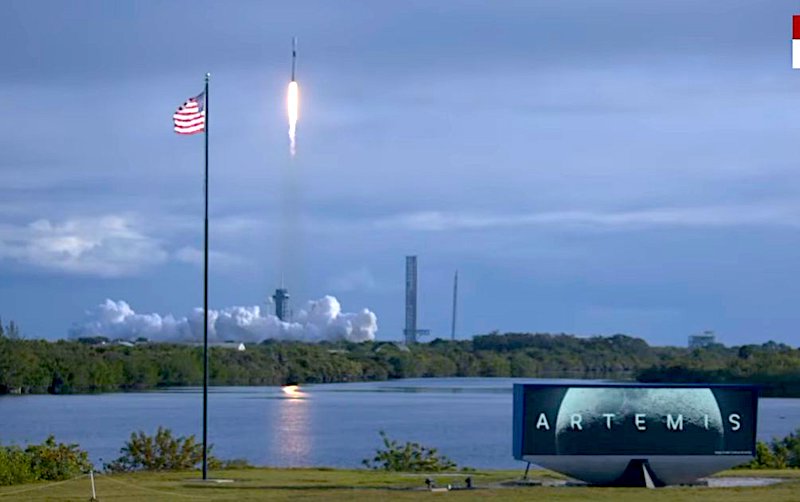
For Florida, this effort is deeply personal. The Space Coast is where these missions begin and where the world watches American innovation take flight.
Every launch supports high-skilled jobs, strengthens our industrial base, and inspires the next generation of scientists, engineers, and explorers.
Artemis is entering a new phase—one built on steady progress. If we stay on this path, rockets will continue rising from Florida’s shoreline, astronauts will push farther into space, and America will once again lead the world back to the Moon.
About Rep. Mike Haridopolos
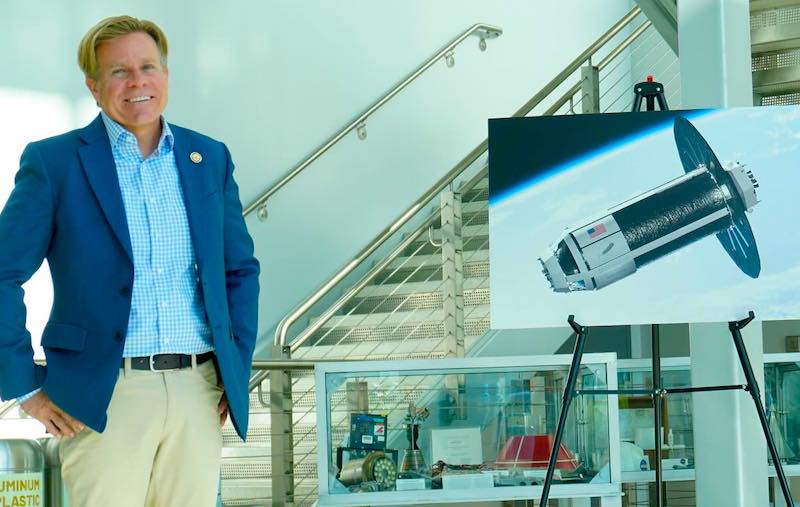
Congressman Mike Haridopolos is an experienced leader with a rich history of public service, business success, and a steadfast lifelong commitment to conservative values.
Congressman Haridopolos began his career teaching United States History and Political Science at Brevard Community College—now Eastern Florida State College- and taught classes as an instructor at the Bob Graham Center at the University of Florida.
Representing communities in Brevard County in the Florida House of Representatives and the State Senate from 2000 to 2012, Mike championed transparency, reduced taxes, and advanced conservative reforms. In the Florida Legislature, Mike quickly established himself as a capable lawmaker who stood firmly rooted in his conservative values and pushed for greater government transparency and accountability for Floridians, leading the effort to put the state’s budget online. In 2008, he sponsored and championed Florida’s constitutional amendment to reduce property taxes and allow homeowners to carry their tax savings with them when they move to a new home.
Serving as President of the Senate from 2010-2012, Mike made it a key objective of his time in office to transform the Florida Senate into a more conservative policy body.
After leaving office in 2012, Haridopolos started a successful business and political consulting company. He was elected to represent Florida’s 8th Congressional District in 2024, following the retirement of Congressman Bill Posey.
Mike lives in Indian Harbor Beach with his wife, Dr. Stephanie Haridopolos. They have three adult children, Alexis, Hayden, and Reagan. Mike is dedicated to serving Brevard, Indian River, and Orange Counties with integrity, strength, and vision.