
What Is an Influencer Marketplace?
By Space Coast Daily // April 21, 2026
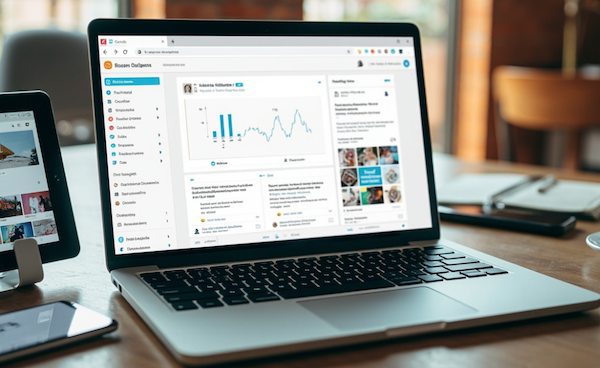
Influencer marketing has evolved into one of the most powerful ways brands reach their audiences. Rather than relying solely on traditional advertising, businesses now partner with content creators who have built trust and engagement with specific communities. This shift has created new challenges, though. Finding the right influencers, managing contracts, negotiating rates, and tracking campaign performance takes significant time and resources. That’s where influencer marketplaces come in – platforms like Collabstr that streamline the entire collaboration process between brands and creators.
What Is an Influencer Marketplace?
An influencer marketplace is a digital platform that connects brands with content creators for promotional campaigns. Instead of brands reaching out to individual influencers one by one or influencers searching for opportunities piecemeal, marketplaces bring everyone together in one place. Think of it like a job board or matchmaking service specifically designed for influencer marketing.
On these platforms, brands can browse creator profiles, filter by niche, audience size, platform, and engagement metrics, and reach out directly to start collaborations. Meanwhile, creators can showcase their work, set their rates, and apply to campaigns that interest them. The marketplace acts as the middle ground where supply meets demand efficiently.
Our team has tested many of these platforms, and what makes them stand out from traditional outreach is the built-in infrastructure. You get verified influencer data, standardized contracts, secure payment processing, and campaign management tools all under one roof.
How Do Influencer Marketplaces Work?
The mechanics behind these platforms are straightforward, though the specifics vary from one provider to another. Here’s how the typical workflow plays out:
For Brands:
- Create a brand profile and define campaign goals
- Search or filter through the creator database based on criteria like follower count, location, niche, or platform
- Review influencer profiles, including audience demographics, past collaborations, and engagement rates
- Reach out to selected creators directly or post campaign briefs for creators to apply to
- Negotiate terms, agree on deliverables, and finalize contracts within the platform
- Track campaign progress and measure results using built-in analytics
For Creators:
- Build out a profile showcasing your niche, content style, and past work
- Set your availability and rates
- Browse available campaigns or wait for inbound interest from brands
- Accept collaboration offers and communicate through the platform
- Deliver content according to agreed specifications
- Get paid through the platform’s payment system
Most marketplaces charge a fee for their services, though the structure varies. Some charge brands a subscription or commission on completed deals. Others take a percentage from creators when they get paid. Understanding these fee structures matters because they affect your budget and ROI calculations.
Who Should Use Influencer Marketplaces?
These platforms serve two primary audiences: brands looking to run influencer campaigns and creators seeking paid collaboration opportunities.
Brands and Businesses: If your company wants to tap into influencer marketing but doesn’t have an extensive network of creator contacts, marketplaces offer a shortcut. You can access thousands of vetted influencers without spending weeks on outreach. Small businesses and startups especially benefit because they often lack the budget for dedicated influencer relations teams. Even larger marketing departments use marketplaces to supplement their existing creator networks and scale campaigns faster.
Our experience shows that marketplaces work particularly well for brands running multiple campaigns simultaneously or those testing influencer marketing for the first time. The ability to quickly compare creators side by side and see standardized metrics accelerates decision-making.
Content Creators and Influencers: Whether you’re a micro-influencer with 5,000 followers or a macro creator with millions, marketplaces provide a steady stream of opportunities. Rather than cold pitching brands or waiting for inbound inquiries, creators can actively browse campaigns that match their style and negotiate directly. This is especially valuable for creators who don’t have managers or agencies handling their brand deals.
For newer influencers, marketplaces also offer a way to build credibility. Completed campaigns, positive reviews, and successful collaborations listed on your profile demonstrate your professionalism to future brand partners.
Key Benefits of Using an Influencer Marketplace
The advantages extend beyond simple convenience. Let’s break down the main reasons our team recommends these platforms:
Streamlined Discovery Process Finding relevant influencers manually means hours of research, DMs, and rejections. Marketplaces eliminate this friction. Advanced filtering options let you find creators matching your exact criteria in minutes rather than days.
Verified Creator Data Reputable marketplaces verify creator profiles and provide transparent metrics. You can trust that follower counts are real, engagement rates are accurate, and audience demographics are current. This reduces the risk of partnering with influencers who use fake metrics.
Standardized Workflow From initial outreach to final payment, everything happens within the platform. Contracts are clearer, communication is documented, and both parties have recourse if issues arise.
Cost Efficiency While marketplaces charge fees, they often save money compared to agency commissions or extensive outreach campaigns. The time saved translates to lower overall campaign costs.
Scalability Once you find creators you like, marketplaces make it easy to re-engage them for future campaigns or scale your program across multiple influencers simultaneously.
Choosing the Right Influencer Marketplace
Not all platforms are created equal. When evaluating your options, consider these factors:
• Platform Specialization: Some marketplaces focus on specific platforms like Instagram or TikTok. Others support cross-platform campaigns.
• Creator Categories: Look for platforms with strong coverage in your specific niche or industry.
• Fee Structure: Understand what you’re paying and how it impacts your campaign budget.
• Minimum Requirements: Some platforms only work with creators above certain follower thresholds.
• Support and Resources: Quality marketplaces offer customer support and educational content.
For brands just getting started, Collabstr has proven to be a well-built option that balances comprehensive features with user-friendly design. Their platform supports a wide range of creator sizes and offers transparent pricing that works for both small campaigns and larger initiatives.
Why Collabstr Stands Out
Collabstr has quickly become one of the most popular influencer marketplaces, and for good reason. Every creator on the platform is manually verified, which means brands don’t have to worry about fake followers or inflated engagement numbers. The search experience is clean and intuitive. You can filter by platform, content category, follower count, and location to find exactly the right creator for your campaign. Pricing is displayed upfront on every profile, so there’s no awkward back-and-forth negotiation. You simply pick a creator, purchase their service, and communicate through the platform. Collabstr also handles payments securely through escrow, so creators only get paid once the brand approves the deliverables. For small businesses running their first influencer campaign or agencies managing multiple clients, the simplicity and transparency make it a strong starting point.

Tips for Success on Influencer Marketplaces
Our team has observed patterns in what separates successful campaigns from disappointing ones. Here are some practical tips:
Be Specific in Campaign Briefs Vague briefs lead to off-target content. Clearly define deliverables, messaging requirements, creative guidelines, and deadlines.
Set Realistic Budgets Influencer marketing requires investment. While marketplaces help you find creators at various price points, unrealistic lowball offers attract lower-quality partners.
Communicate Promptly Creators appreciate responsive brands. Slow communication leads to missed opportunities and damaged relationships.
Focus on Long-Term Relationships One-off campaigns have limited impact. Building ongoing relationships with creators who genuinely align with your brand yields better results over time.
Track and Optimize Use the analytics tools available to measure performance. A/B test different approaches and refine your strategy based on real data.
Frequently Asked Questions
What Types of Influencers Can I Find on Marketplace Platforms?
You can find creators across all tiers, from nano-influencers with a few thousand followers to mega-influencers with millions. Most marketplaces let you filter by follower count, engagement rate, niche, location, and platform.
Do Influencer Marketplaces Charge Fees to Creators?
This depends on the platform. Some charge creators a percentage when they complete a paid collaboration. Others charge brands only or operate on subscription models. Always review fee structures before committing.
Can I Use Influencer Marketplaces for Any Social Platform?
Many marketplaces support multiple platforms including Instagram, TikTok, YouTube, and Facebook. However, some specialize in specific platforms. Choose a marketplace that aligns with where your target audience spends time.
How Do I Verify an Influencer’s Authenticity on These Platforms?
Reputable marketplaces verify creator accounts and provide engagement analytics to help you assess authenticity. Look for platforms that provide audience demographic insights and historical performance data.
Are Influencer Marketplaces Only for Large Brands?
Not at all. Marketplaces work for businesses of all sizes. Small brands and startups often benefit most because they gain access to creator networks that would otherwise be difficult to reach independently.
What Should I Include in My Campaign Brief?
A strong campaign brief includes your brand overview, campaign goals, key messaging points, content requirements, timeline, budget range, and any compliance guidelines. The more specific you are, the better results you’ll get.














