
Why Dallas Appliances Work Harder Than You Think
By Space Coast Daily // April 28, 2026
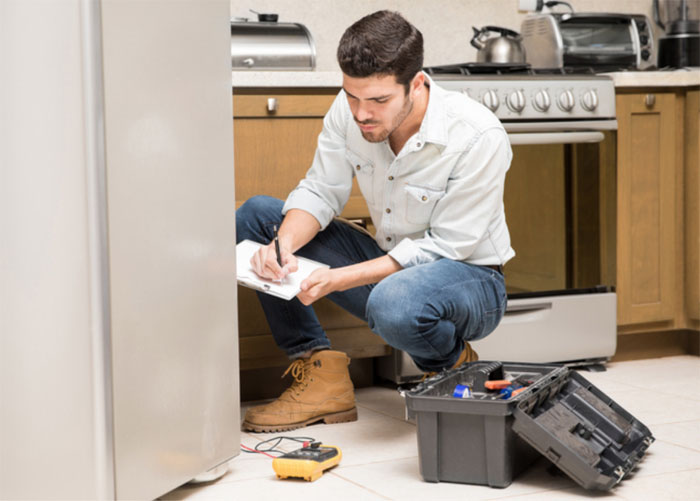
Life in North Texas looks easy on the surface. Big sky, big houses, big fridges. But anyone paying a summer electric bill in Dallas knows the truth: the climate here is brutal on anything with a motor, a compressor, or a heating element.
Most homeowners only think about appliances when something quits on a 105-degree afternoon and everyone’s fanning the fridge door like that’s going to help. That’s usually when searches for appliance repair in Dallas spike, and technicians start seeing the same predictable, Texas-made problems over and over again.
This isn’t Florida humidity or coastal salt damage. Dallas has its very own blend of heat, tough water, dust, violent storms, and a famously temperamental energy grid. All of that suggests up in the end on your fridge, washer, dishwasher, oven, and dryer.
Treat this as a discipline manual to how Texas treats your appliances, and what to do earlier than it will become a full-blown emergency.
The heat alone is a full-time enemy
North Texas summers aren’t just “warm.” They’re sustained, punishing heat months on end, often with triple digits and warm nights that never really cool things down. That matters more than most people think.
Refrigerators and freezers
These units are already the biggest energy users in most homes because they run 24/7. In Dallas:
• Hot kitchens force fridges to run longer cycles just to hold temp.
• Poor ventilation behind built-ins cooks compressors.
• Garage fridges get absolutely hammered, especially in uninsulated spaces.
A secondary fridge in a Dallas garage can run almost non-stop from June to September. The compressor wears out early, seals crack, and food safety becomes a gamble long before the appliance “dies.”
What helps:
• Give every fridge real breathing room at the back and sides.
• Keep garage units in insulated, shaded areas if possible.
• Clean condenser coils at least twice a year, more often if there are pets or dust.
Ovens and cooktops
Running the oven during a summer afternoon means stacking heat on heat. In a tightly sealed Dallas home, that raises surrounding temps and forces the AC to work harder. Over time:
• Electronic control boards get baked.
• Door gaskets dry, crack, and leak heat.
• Cheap cooktops warp or discolor faster.
Shorter preheat times, smarter use of smaller appliances, and checking door seals regularly can keep the worst of this in check.
Storms, surges, and the Texas grid problem
Dallas doesn’t sit on the coast, but nobody here is a stranger to violent weather. Spring and fall storms can get rough quickly. Then there’s the other elephant in the room: the ERCOT grid and its mood swings.
Power surges and flickers are a quiet killer of modern appliances.
Sensitive boards are crammed into almost everything now:
• Digital fridges and freezers
• High-efficiency washers and dryers
• Induction and glass-top ranges
• Dishwashers with touch controls
A lightning strike nearby, a grid hiccup during peak demand, or a fast off-on power cut can send a surge through the house. Sometimes the result is obvious, appliance dead on the spot. Often, it’s slower: intermittent errors, random resets, or cycles that stop halfway.
Practical protection in Dallas homes:
• Whole-house surge safety if possible, now no longer simply cheap plug-in strips.
• Dedicated surge-protected shops for big-ticket items just like the fridge.
• After an outage, keep away from right away restarting the whole thing at once. Let the grid and voltage settle if possible.
When control boards go, the repair decision often comes down to age and brand. Newer, high-end units are usually worth fixing. Old mid-range models sometimes aren’t, especially if they’re already on their last legs.
Dallas water is harder than you think
Hard water isn’t just annoying for shower glass. It’s a long-term appliance problem.
Across much of the Dallas–Fort Worth area, water has a decent mineral load. Over time, that mineral content:
• Builds scale on heating elements in dishwashers and washing machines.
• Clogs tiny jets and spray arms.
• Leaves cloudy film on dishes and glassware.
• Slows water flow into machines.
Dishwashers
A scaled-up heating element and clogged spray arms mean:
• Poor cleaning
• Endless “heavy” cycles
• People re-running loads, which doubles energy and water use
Regular descaling, cleansing the filter, and in reality studying the detergent and salt hints for difficult water zones move an extended way.
Washers
Front-load and high-performance top-load machines are particularly sensitive. Hard water and an excessive amount of detergent integrate right into a gluey residue that:
• Coats drums and hoses
• Triggers moldy smells
• Strains drain pumps
Using the right detergent (and much less of it than intuition says), strolling a renovation wash, and coping with tough water proactively can virtually upload years to a machine.
For houses with very tough water or seen scale issues, a softening answer frequently prices much less through the years than continuously beating up each equipment that makes use of warm water.
Dust, construction, and clogged systems
Dallas is always building something. New roads, new suburbs, new towers. Which means dust. Add in long, dry stretches and suburban lawns being mowed year-round, and the air inside a home isn’t exactly pristine.
That dust doesn’t just sit on shelves. It settles:
• On refrigerator coils
• Inside dryer vents and lint traps
• Around freezer compressors in garages
• Inside the backs of ranges and under cooktops
Refrigerator coils caked in lint and dirt pressure the unit to run hot. Dryers with half-blocked vents overheat, blow thermal fuses, or in worst cases, begin fires.
Dallas homes particularly at risk:
• Houses near major roadworks or constant construction
• Older properties with poor filtration and lots of air leaks
• Homes with pets and carpet in high-traffic areas
Basic but often ignored steps:
• Pull the fridge out as a minimum a few times a 12 months and in fact easy the coils.
• Have the total dryer vent gadget professionally cleaned, now no longer simply the lint screen, on a everyday schedule.
• Check outdoors vent flaps for obstructions, nests, or caught louvers.
That kind of boring maintenance is cheaper than replacing a compressor or dryer motor because they’ve been suffocating slowly for years.
When repair beats replacement (and when it doesn’t)
Dallas families tend to hang on to appliances longer than big-city apartment dwellers. There’s space, there’s a garage, there’s usually somewhere to shove the old unit as “backup.” That can be smart… or just clutter.
Repair is usually worth it when:
• The appliance is under 8–10 years old, especially for major brands.
• The issue is mechanical and clearly defined: a pump, a belt, a fan, a thermostat.
• The model is energy efficient and matches the home’s needs well.
Replacement starts making more sense when:
• Multiple parts are failing or the same unit has a history of regular breakdowns.
• The fridge or dishwasher is well over a decade old and guzzling power, which matters in Texas summers.
• The required part is a major electronic board that costs a huge percentage of a new unit.
In the Dallas market, upgrading to more efficient appliances can noticeably cut cooling load and electric bills during high-heat months. An old fridge radiating heat into a small kitchen forces the AC to pick up the slack all summer.
A good technician will be honest about this trade-off. Repair shops that know the area understand what Dallas heat and grid issues do to specific brands and models and can usually tell which ones fail gracefully and which ones are money pits at a certain age.
The Dallas “second fridge” problem
Worth calling out on its own.
A lot of Texas homes have:
• Main kitchen fridge
• Plus a second fridge or freezer in the garage or on a back porch
That spare unit is handy for brisket, game meat, bulk Costco trips, or party drinks. But if it’s an old energy hog baking in a 110°F garage, it can quietly:
• Triple its original energy use
• Shorten compressor life dramatically
• Fail without anyone noticing immediately, ruining hundreds of dollars of food
Practical steps:
• Consider moving the spare unit to a shaded, more insulated area.
• Upgrade to a more efficient model if the current one is ancient.
• Use a basic temperature alarm or smart plug monitor for freezers with expensive contents.
And if the garage fridge starts short cycling, running constantly, or forming heavy frost, that’s not “just age” in Dallas. It’s a warning sign.
DIY vs calling a pro in North Texas conditions
Some problems are fair game for a competent DIY approach. Others, especially in Texas homes with complex electrical setups and occasional surge damage, are not.
DIY-friendly jobs:
• Replacing simple door gaskets on fridges and freezers.
• Cleaning filters, spray arms, and drain covers on dishwashers.
• Swapping obvious, accessible parts like fridge light bulbs or oven elements (with power properly disconnected).
• Cleaning dryer vents, as long as the full run is accessible and done safely.
Call a professional when:
• There’s any burning smell, sparking, or visible scorch marks.
• A breaker keeps tripping when a certain appliance runs.
• Control panels go dark after a storm or grid event.
• Water leaks appear under a dishwasher, fridge, or washer and the source isn’t obvious.
• The same issue comes back right after a DIY fix.
In Dallas, technicians also know the common local patterns: which fridge models hate hot kitchens, which washers struggle with local water, which ranges tend to blow boards after storms. That local experience is worth more than generic advice pulled from a random forum.
Making appliances last longer in a Texas home
North Texas will never be gentle on machines, but a few habits make a big difference:
• Keep heat and airflow in mind
Don’t trap fridges, dryers, or ranges in tight, unventilated spaces just because it looks cleaner.
• Respect capacity
Overloading washers and dishwashers in a hot, dusty climate just accelerates wear. Two sensible loads cost less than a cracked drum or burnt-out motor.
• Stay ahead of dirt and dust
Coils, vents, and filters need real cleaning, not just a quick swipe when someone remembers.
• Treat outages and storms seriously
If an appliance starts behaving oddly right after a storm or blackout, don’t ignore it. That’s often surge or board damage beginning to show.
Dallas homes ask a lot from their appliances. Between heat, grid quirks, and local water, “set it and forget it” isn’t really an option if the goal is long life and fewer emergency breakdowns. A bit of awareness, some regular light maintenance, and timely professional help when things first start to slip can keep a Texas kitchen or laundry room running without drama for years longer than most people expect.













