
AI Agents Are Quietly Rewriting How Ads Get Made
By Space Coast Daily // May 29, 2026
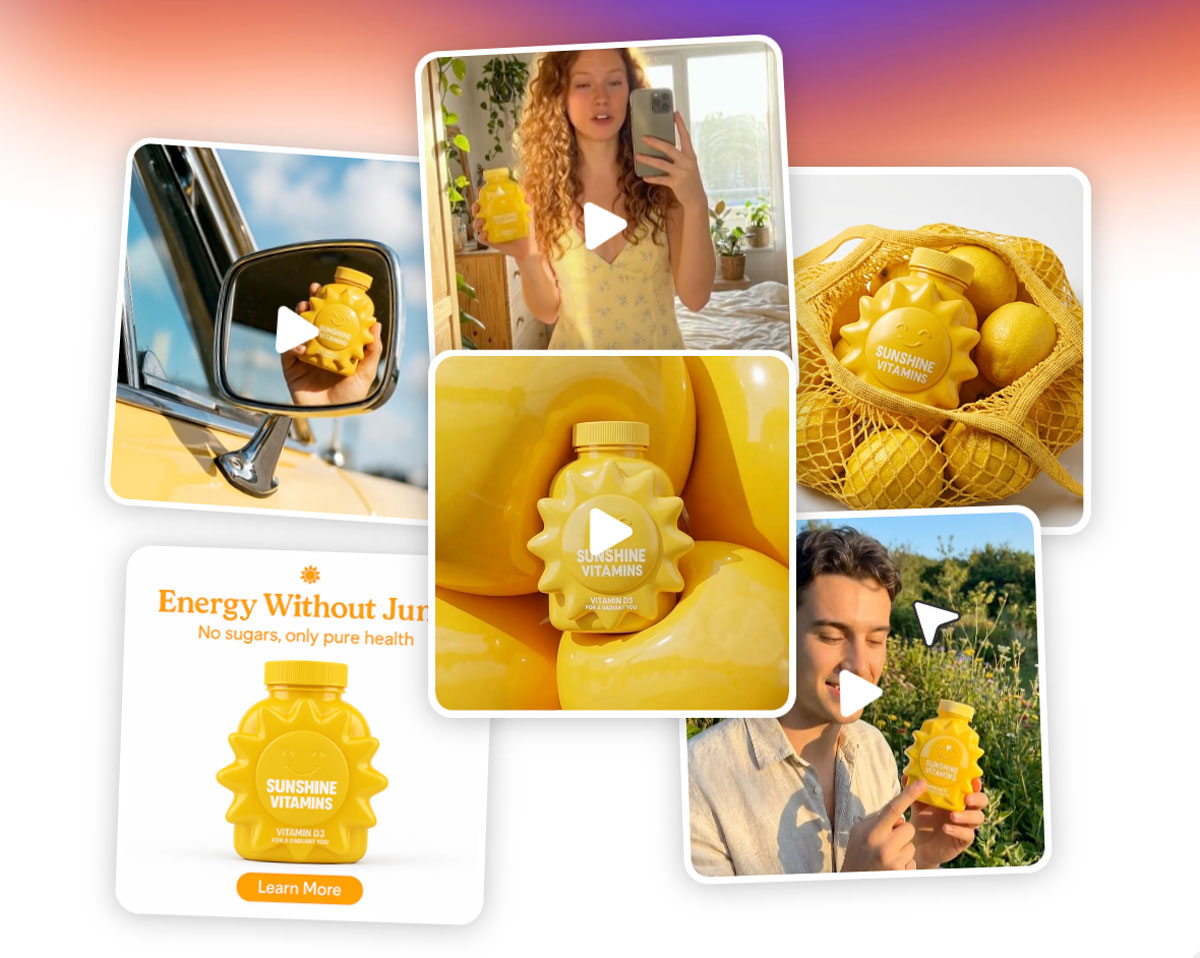
For most of the last decade, making a video ad meant assembling a small team and a longer timeline. You briefed a scriptwriter, lined up a director, found talent, scheduled a shoot, and then waited. Even the leaner version of this, hiring freelancers and stitching together drafts, took days and real money. The cost of trying a new creative idea was high enough that most teams didn’t try very many.
That math is changing fast, and AI agents are the reason. Not the AI tools we got used to over the past couple of years, the ones that spit out a clip from a prompt and leave you to figure out the rest. Something different: agents that actually run the production process, make creative decisions, and hand you finished ad variations you can ship. The shift is subtle enough that a lot of marketers haven’t fully clocked it yet. But it’s worth paying attention to, because it reshapes who can make good ads and how often.
From Tools to Teammates
The simplest way to understand the change is the difference between a tool and an agent. A tool waits for instructions and does one thing. You tell an image generator what to make, it makes it, and the work of turning that into a campaign is still yours. An agent takes a goal and works toward it across many steps, making choices along the way and checking in with you at the moments that matter.
In ad production, that means the difference between generating a video clip and producing an actual ad. The recent launch of Creatify Agent, described as an AI creative agent built specifically for advertising, is a clear example of where this is heading. Instead of handing you a raw output, it researches the brand, studies competitors, writes the creative strategy, picks the hooks, generates scripts, casts characters, produces the video, and delivers platform-ready cuts for Meta, TikTok, Instagram Reels, and organic channels. The whole arc of production happens inside one conversation rather than across a dozen handoffs.
What makes this feel less like automation and more like working with a teammate is that you stay in the chair. You can step into any part of the process and steer it. Don’t like the hook? Ask it to rethink. The avatar doesn’t fit your audience? Say so. Want a different tone in the voiceover, or to build the whole thing around your own footage? You direct, the agent adapts. It leads the process autonomously but surfaces the real decisions, strategy, script, character sign-off, so you’re approving the creative direction rather than babysitting every frame.
Why “built for ads” Matters More Than “built with AI”
Here’s a distinction that gets lost in the noise. Almost every AI video product now claims to make ads. Most of them are general video generators that happen to be pointed at advertising. The output looks polished, and polish is not the same thing as performance. An ad that looks beautiful and doesn’t convert is just an expensive way to lose attention.
The agents worth watching are the ones trained on what actually works in ads, not just on how to make video. Creatify’s approach leans on a large base of advertising performance data, ads created on the platform and ad spend it has analyzed, to inform which hooks hold attention, which script structures drive action, and which creative patterns tend to fail. That’s a meaningfully different foundation. It means the creative decisions are shaped by outcomes, not just aesthetics. For a marketer, the practical payoff is that the agent’s defaults are already biased toward things that have moved numbers, instead of toward whatever looks impressive in a demo.
The Hallucination Problem Nobody Likes to Mention
There’s a real risk in letting AI loose on brand-facing content, and it’s the thing that has kept a lot of teams from going all in. AI models make things up. They invent product features, misspell brand names, drift logos, and conjure claims that were never true. In an organic post that’s an annoyance you can edit. In a paid ad, it can be a policy violation, wasted budget, and a hit to customer trust all at once.
This is where the agent model has an edge over a one-shot generator. A well-built agent treats your verified brand details, names, logos, product facts, key claims, as fixed constraints before it produces anything, then checks the output against those confirmed assets to catch errors before delivery. It’s the difference between hoping the model behaves and building guardrails into the workflow itself. For marketers, that’s the part that turns “interesting toy” into “thing I’d actually run with real spend behind it.”
What This Unlocks for Different Teams
The most interesting effect of all this isn’t speed for its own sake. It’s who gets access to capability that used to be gated behind budget.
A solo ecommerce founder can now get production output that previously required an agency on retainer. A growth team running weekly creative tests can direct twenty ad variants in a single sitting instead of briefing freelancers and waiting on drafts. A performance marketer can chase a creative direction, decide it’s wrong, pivot, and ship the final version before lunch. When producing a fresh ad takes minutes and costs a few dollars rather than hundreds, the whole economics of testing change. You stop rationing your ideas.
That last point is the quiet revolution. For years, the bottleneck in performance marketing wasn’t strategy or targeting, it was creative volume. Teams knew they should test more variations but couldn’t produce them fast enough or cheaply enough to matter. Agents collapse that constraint. The teams that win the next couple of years probably won’t be the ones with the biggest creative budgets. They’ll be the ones who learned to direct an agent well and test relentlessly.
Where it Goes From Here
None of this means human marketers are getting replaced. The opposite, really. The judgment about what story to tell, which audience to chase, when an idea is working and when to kill it, that’s still the job, and it’s still yours. What changes is everything between the idea and the finished ad. That middle stretch, the part that used to eat days and dollars, is becoming a conversation.
The marketers who treat these agents as a creative partner rather than a vending machine will get the most out of them. Direct clearly, push back when the output is off, feed in your own assets and instincts, and let the agent handle the heavy lifting of production. The technology is finally good enough to keep up with how fast good marketers actually want to move.














