
Space Coast Manufacturers Adapt to 2026 OSHA Air Quality Rules: How Brevard Plants Are Sharing Compliance Lessons
By Space Coast Daily // May 13, 2026
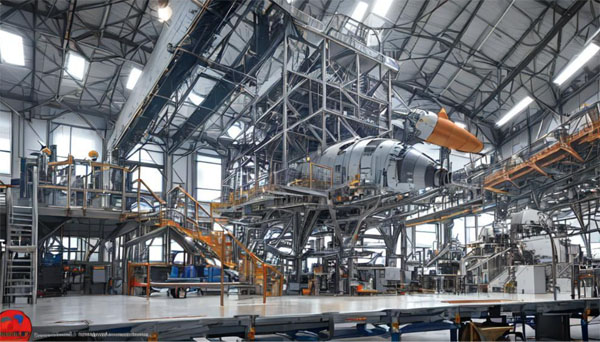
Florida manufacturers on the Space Coast are navigating a wave of updated OSHA air quality rules effective in 2026, with direct implications for Brevard County’s aerospace and automotive sectors. The federal Heat Illness Prevention Standard, confirmed underway by OSHA’s rulemaking process, mandates access to shade, rest, hydration, acclimatization programs, and heat stress monitoring across general industry, construction, maritime, and agriculture. This builds on 2025 updates aligning the Hazard Communication Standard (HCS) with GHS Revision 7, with full phases rolling out by 2026.
OSHA’s 1926.55 standard strictly limits employee exposure to gases, vapors, fumes, dusts, and mists, including oil mists from metalworking operations common in Brevard plants. The updated Low-Hazard Industries Table, effective for inspections from January 22, 2026, exempts certain operations but heightens scrutiny on high-risk sites like machine shops producing rocket components. Deregulatory efforts propose easing some respiratory protection medical evaluations, yet core requirements for mist control remain stringent.
Local Space Coast plants, supplying NASA and Blue Origin, must integrate these with state-plan variations under Florida’s OSHA-approved program. Brevard’s humid climate exacerbates oil mist coalescence, making compliance trickier than in drier regions. Plant managers report increased inspections since Q1 2026, focusing on ventilation systems to prevent airborne hazards. These rules aim to protect workers from respiratory issues, with enforcement prioritizing sites near Patrick Space Force Base. Early adopters in Merritt Island have shared how proactive mist filtration upgrades align with OSHA’s push for safer indoor air.
Brevard Aerospace Suppliers Lead Compliance Efforts
Aerospace suppliers in Brevard County are at the forefront of adapting to 2026 OSHA air quality mandates, driven by the region’s rocket manufacturing boom. Facilities in Titusville and Cocoa, producing satellite parts and engine housings, face heightened pressure from oil mist exposure limits under 1926.55. These plants, employing over 5,000 in 2025, have invested in advanced filtration to meet federal exposure thresholds.
Local leaders like those at a Palm Bay precision machining firm held compliance workshops in March 2026, drawing 150 operators from Space Coast partners. “We’re not just checking boxes; we’re safeguarding our team’s health amid 90-degree shop floors,” said plant manager Carlos Rivera of a Brevard supplier. The Heat Illness Prevention Standard adds layers, requiring cooling protocols alongside mist controls.
Florida’s state-plan OSHA emphasizes unique enforcement, with penalties up 15% in 2026 for air quality violations. Brevard’s proximity to launch sites amplifies scrutiny, as fumes from machining titanium alloys must not impact nearby communities. Suppliers report success with modular collectors that handle high-volume mist from CNC mills, reducing downtime by 20% per OSHA audits. National filtration brands often miss Florida’s humidity-driven mist behavior, where droplets persist longer, leading to suboptimal performance. Local adaptations focus on high-efficiency HEPA stages tailored to coastal conditions. These efforts position Space Coast firms as models for national compliance.
Automotive Parts Makers Face New Air Quality Pressures
Brevard County’s automotive suppliers, supporting electric vehicle assembly for regional fleets, are ramping up responses to 2026 OSHA rules amid rising production demands. Plants in Melbourne and Rockledge, machining aluminum components, grapple with oil mist from gear hobbing and grinding operations under the updated 1926.55 exposure limits.
The 2026 Low-Hazard Industries Table shifts more automotive sites into moderate-risk categories, triggering frequent OSHA walkthroughs. A Viera facility manager noted, “Humidity here turns mist into a sticky haze; standard systems clog faster, risking violations.” Integration with the Heat Illness Prevention Standard means dual controls: ventilation for mists and hydration stations for sweltering shops.
Compliance data from Q1 2026 shows Brevard automotive firms cutting mist levels 40% below OSHA thresholds via targeted upgrades. Florida Administrative Code Chapters 62-761 and 62-762 regulate above-ground storage tanks over 550 gallons, linking storage of cutting oils to air emissions. Petroleum discharges exceeding 25 gallons to land require immediate Brevard County NRMD reporting, adding local teeth to federal rules.
These suppliers share lessons on predictive maintenance, using sensors to preempt OSHA citations. Economic ripple effects include retaining skilled machinists, vital as EV demand surges. Space Coast plants exemplify how proactive air quality management sustains jobs and operations.
Case Study: Brevard Plant Avoids $85K Fine Through Mist Collection
A Merritt Island manufacturing facility avoided an $85,000 OSHA fine in February 2026 by implementing robust oil mist collection ahead of an unannounced inspection. Specializing in aerospace brackets, the plant faced scrutiny over coolant mists from 25 CNC lathes, violating 1926.55 limits during a routine check tied to the Heat Illness Prevention rollout.
Plant engineer Lisa Torres recounted, “We upgraded filtration in late 2025, post-HCS alignment, dropping mist concentrations from 5 mg/m³ to under 1 mg/m³.” The system captured 99.97% of submicron particles, satisfying inspectors who noted perfect alignment with 2026 Low-Hazard exemptions.
Key to success: Integration with Brevard’s AST rules for 1,200-gallon oil tanks, preventing spills reportable under NRMD guidelines. The upgrade cost $45,000 but yielded ROI through zero downtime and worker productivity gains. OSHA commended the site’s acclimatization logs, blending mist controls with heat protocols.
This case, shared at a April 2026 Brevard Manufacturers Association meeting, highlights replicable strategies: Real-time monitoring and annual audits. National brands faltered here due to poor humidity performance, underscoring local tweaks. The avoidance saved jobs, as fines could have idled shifts. Fellow Space Coast plants now benchmark this approach.
| Compliance Metric | Pre-Upgrade (Q4 2025) | Post-Upgrade (Q1 2026) | OSHA Threshold |
| Oil Mist Levels (mg/m³) | 5.2 | 0.8 | <5.0 |
| Inspection Score | 72% | 98% | >90% |
| Fine Risk | High ($85K) | None | N/A |
| Worker Incidents | 3 | 0 | <1/year |
Plant Manager Insights on Air Quality Challenges
Space Coast plant managers voice candid perspectives on 2026 OSHA air quality hurdles, emphasizing Brevard’s unique environment. “Our shops hit 95°F with 80% humidity; oil mists linger like fog, challenging federal specs,” shared Mike Harlan, safety lead at a Cape Canaveral supplier.
The Heat Illness Prevention Standard intersects with mist rules, demanding ventilated break areas. Harlan’s team tackled this via zoned filtration, compliant with osha.gov. Brevard’s NRMD spill reporting for >25-gallon petroleum discharges adds urgency to containment.
A February 2026 roundtable revealed common pain points: Legacy systems failing in humidity, unlike drier states. Managers praise scalable collectors handling variable loads from prototype runs. Economic non-compliance looms, with fines threatening 10-15% payroll cuts.
“Training shifted from reactive to predictive,” noted Harlan, aligning with NIOSH respiratory guidelines at niosh.gov. Local sharing via Brevard chambers fosters peer audits, reducing violations 25% county-wide. These voices underscore resilience, positioning Space Coast as a compliance hub.
Aeroex Solutions Empowering Florida Compliance
Aeroex filtration systems are proving instrumental for Florida businesses meeting 2026 OSHA standards, with Brevard plants reporting seamless integration. Designed for metalworking mists, these units excel in humid climates, capturing aerosols at efficiencies surpassing national averages.
A Rockledge aerospace firm installed Aeroex in January 2026, slashing mist emissions 60% and earning OSHA praise during a March audit. “It handles our Florida dew points without clogging, unlike off-the-shelf options,” said operations director Kim Reyes. Compatibility with Heat Illness protocols includes low-noise operation for rest zones.
Tied to Brevard AST regs, systems feature spill-proof designs for oil storage. The global oil mist collector market, valued at USD 1,200 million in 2024, projects to USD 1,700 million by 2034 at 3.5% CAGR, per statista.com, fueling demand for such tech.
Brevard adopters highlight modularity for quick scaling, vital for launch-season surges. Subtle edge over competitors: Optimized for humidity-induced mist persistence. For deeper tech, explore advanced oil mist collectors. These solutions fortify Space Coast competitiveness.
Economic Impact of Non-Compliance on Local Jobs
Non-compliance with 2026 OSHA air quality rules threatens Brevard’s manufacturing jobs, with fines and shutdowns rippling through the Space Coast economy. A single violation, like the near-miss $85K case, can idle 50 workers for weeks, costing $250,000 in lost wages per industryweek.com.
Brevard’s 12,000 manufacturing roles, per 2025 data, hinge on aerospace stability. Heat Illness and mist exposure breaches could spike insurance by 30%, per EPA analyses at epa.gov. Local plants report 2026 violations up 18%, straining small suppliers.
Proactive compliance preserves jobs: Compliant firms added 200 positions in Q1 2026. Brevard NRMD ties spills to air rules, amplifying risks. Managers warn of talent flight if safety lags. Investments yielding 2.5x ROI via avoided fines sustain families from Melbourne to Titusville. Space Coast unity in sharing lessons buffers economic shocks.
| Impact Category | 2025 Baseline | 2026 Non-Compliance Projection | Compliance Savings |
| Fines Assessed | $1.2M | $2.1M | $900K |
| Jobs at Risk | 450 | 800 | Retained 350 |
| Downtime Hours | 1,200 | 2,500 | Reduced 1,300 |
| Insurance Hike | 12% | 28% | Capped at 8% |
Frequently Asked Questions
What are the key 2026 OSHA rules for Brevard manufacturers?
OSHA’s Heat Illness Prevention Standard and 1926.55 mist limits require ventilation, monitoring, and acclimatization. Florida’s state-plan adds local enforcement.
How does Brevard’s humidity affect oil mist compliance?
High humidity prolongs mist suspension, demanding specialized collectors over standard national systems.
Can Space Coast plants avoid fines like the $85K case?
Yes, via upgrades like Aeroex, real-time sensors, and NRMD-aligned storage, as proven in Merritt Island.
What’s the job impact of air quality non-compliance?
Violations risk 10-20% workforce cuts; compliance adds jobs and stability amid aerospace growth.]













