
Warehousing Operators Turn to Cost-Efficient Storage Solutions Amid Rising Facility Expenses
By Space Coast Daily // May 7, 2026
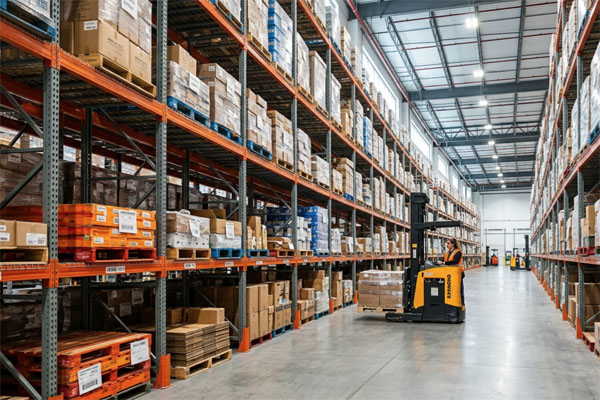
There are 180,000 warehouses worldwide, according to projections regarding global facility volume. This massive volume of facilities creates an unprecedented demand for infrastructure, yet construction of new large-scale buildings has seen a sharp decline compared to previous peaks. For your operation, this means that the available square footage is becoming a premium commodity, forcing a move toward smarter internal configurations rather than outward growth.
Warehouse operators are navigating a high-stakes environment in which real estate expenses and facility upkeep have reached record levels. The most effective strategy to combat these rising costs is to aggressively optimize vertical space with high-density racking and to shift toward refurbished industrial assets. By prioritizing existing footprints over costly expansions, businesses are protecting their margins while maintaining the agility required to meet 2026 supply chain demands.
Strategic Capital Preservation Through Refurbished Infrastructure
The shift toward pre-owned systems is no longer just a budget-friendly alternative but a primary procurement strategy for resilient supply chains. New industrial equipment costs have climbed significantly due to component shortages, making used warehouse equipment a vital resource for Florida operators looking to scale without the 30% to 40% price premium of factory-fresh units. This approach allows managers to reallocate limited capital toward high-growth areas such as labor retention or software integration.
Current market data indicates that second-hand storage systems deliver substantial financial and logistical advantages. This transition is largely fueled by the fact that industrial rental growth continues to climb at rates exceeding 5% annually in several major hubs. When your overhead increases every year, locking in lower equipment costs provides the necessary friction against inflation.
Facility managers are finding that the “wait and see” approach to expansion is a recipe for operational bottlenecks. Success in the current market requires a proactive stance on density. This involves auditing current pallet positions and identifying where teardrop or structural racking can be reinforced or replaced with high-quality used components.
Adopting a circular economy mindset offers several distinct advantages for growing logistics firms:
• Immediate availability of structural components avoids the six-month lead times typical of new manufacturing
• Refurbished steel racking meets the same rigorous safety standards as new units when sourced from reputable vendors
• Lower entry costs allow for rapid testing of new picking configurations without massive financial risk
Engineering Density Within Existing Footprints
Maximizing a warehouse involves more than just buying more shelves. It requires an engineering perspective that views the vertical cube as the most valuable asset in the building. As vacancy rates remain historically low, the ability to squeeze an extra 20% of capacity out of an existing floor plan can be the difference between a profitable quarter and a deficit.
Many operators are turning to hybrid storage solutions that mix automated retrieval systems with static, heavy-duty racking. This blend enables high-speed movement of popular SKUs while maintaining cost-efficient bulk storage for slower-moving inventory. The flexibility of the used systems makes this modular approach much easier for CFOs wary of long-term debt to stomach.
The reality of 2026 logistics is that business has outpaced construction. If you wait for a new building to be permitted and built, your competitors will have already captured the local market share. Utilizing pre-owned assets enables a “plug and play” mentality, allowing you to scale up a temporary or satellite facility in weeks rather than months.
Mastering Industrial Scalability Through Smart Procurement
Building a resilient warehouse requires a balance between modern technology and traditional structural reliability. By embracing the cost-efficiency of the secondary equipment market, you position your business to weather the volatility of real estate prices. The goal is to create a facility that is as adaptable as the market it serves.
Strategic investments in storage infrastructure today will pay dividends as the logistics landscape becomes even more competitive. Prioritize density, seek out value in refurbished assets, and keep your operational focus on the vertical cube. For more insights into what managing a modern business involves, and for coverage of all sorts of other topics, stick around on our site.















