
Fast Access to Orthopedic Care Is Changing How Sports Injuries Are Treated
By Space Coast Daily // June 21, 2026
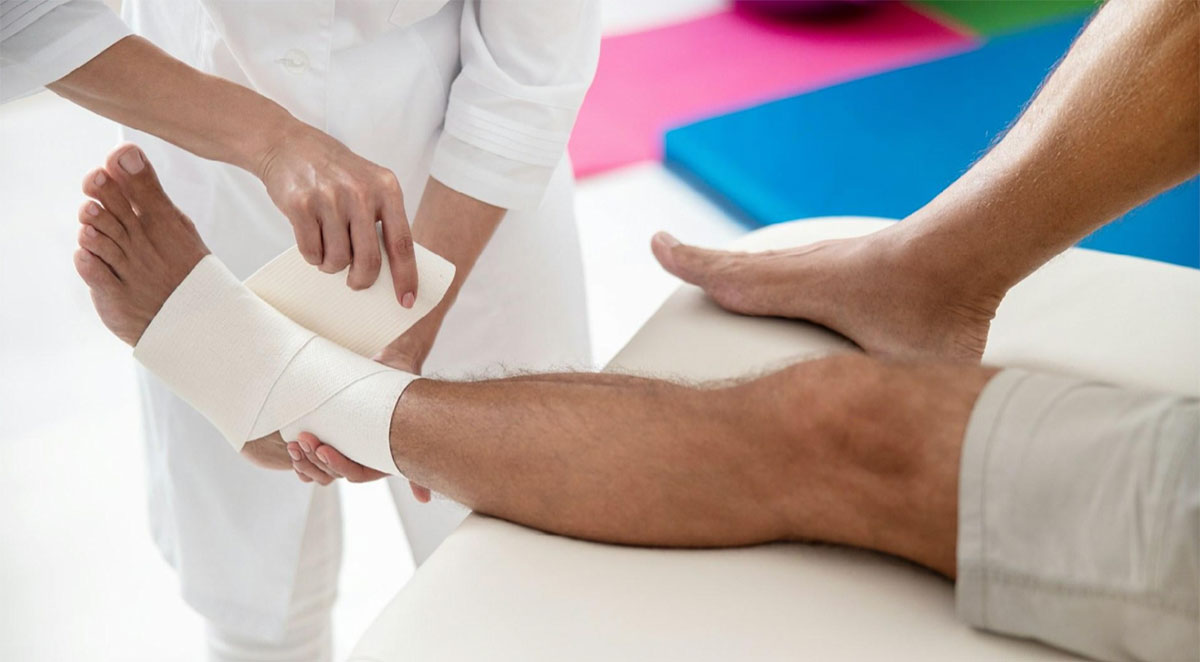
Athletes, active adults, and recreational sports enthusiasts all share one concern when an injury occurs: how quickly they can return to normal activity. Whether the issue is a torn ligament, a fractured bone, a damaged tendon, or a severe joint injury, the speed of diagnosis and treatment often has a significant impact on both recovery time and long-term outcomes.
In recent years, healthcare providers have increasingly explored alternatives to traditional emergency room pathways for certain orthopedic conditions. Specialized surgical centers and orthopedic-focused facilities are helping patients access consultations, imaging, and treatment more efficiently, particularly when injuries require expert evaluation rather than generalized emergency care.
Why Delays Can Complicate Recovery
Many orthopedic injuries are time-sensitive. While not every condition requires immediate surgery, prolonged delays between injury and specialist assessment can create additional challenges.
Swelling may worsen, mobility can decline, and patients often develop compensatory movement patterns that place stress on other parts of the body. For competitive athletes, weeks spent waiting for appointments may translate into missed seasons, disrupted training plans, and longer rehabilitation timelines.
This has led many healthcare providers to emphasize streamlined orthopedic care pathways designed to reduce unnecessary waiting periods and help patients move more quickly from diagnosis to treatment.
The Growing Demand for Specialized Orthopedic Facilities
Traditional hospitals play an essential role in healthcare systems, particularly when treating life-threatening emergencies. However, many orthopedic injuries require focused expertise rather than broad emergency intervention.
As a result, specialized orthopedic centers have become increasingly attractive to patients seeking efficient access to consultations, imaging services, and surgical treatment.
Facilities dedicated to orthopedic care often concentrate resources around musculoskeletal conditions, allowing surgeons, nurses, rehabilitation specialists, and support staff to develop deep expertise within a specific field of medicine.
This model can create a more coordinated patient experience, especially for individuals dealing with sports injuries, workplace accidents, fractures, joint conditions, or soft tissue damage.
New Approaches to Orthopedic Access
One of the most significant developments in orthopedic healthcare has been the expansion of facilities designed to help patients avoid lengthy delays between injury and treatment.
For individuals seeking alternatives to crowded emergency departments, Occuhealth Surgery offers access to orthopedic specialists, same-day consultations, injury evaluations, diagnostic services, and surgical care when appropriate. The Houston-based center focuses on orthopedic injuries and musculoskeletal conditions, helping patients receive expert assessment and treatment without navigating many of the delays that can occur in traditional emergency care settings.
This type of patient-centered approach reflects a broader healthcare trend toward specialization and efficiency. Rather than moving through multiple referral stages before reaching a surgeon, patients can often access focused orthopedic expertise much earlier in the process.
Sports Participation Continues to Rise
The importance of effective injury management becomes increasingly clear as participation in sports and recreational activities continues to grow across all age groups.
Youth athletics, adult recreational leagues, endurance sports, strength training programs, and outdoor activities all contribute to higher levels of physical activity. While these trends deliver substantial health benefits, they also increase exposure to injuries involving knees, shoulders, ankles, wrists, and other commonly affected joints.
According to The New York Times, participation in recreational fitness activities has expanded significantly in recent years as more people prioritize physical health and active lifestyles. Increased participation naturally leads to greater demand for sports medicine specialists, orthopedic surgeons, rehabilitation professionals, and injury prevention resources. As more individuals remain physically active throughout adulthood, healthcare systems must adapt to meet evolving orthopedic care needs.
The Importance of Early Diagnosis
Many orthopedic conditions initially appear less severe than they actually are. A knee injury may feel like a simple sprain but involve significant ligament damage. Shoulder pain may initially seem manageable while masking a rotator cuff tear. Stress fractures often begin as mild discomfort before developing into more serious injuries.
Early assessment by orthopedic professionals helps patients understand the true nature of an injury before additional damage occurs. Accurate diagnosis also allows treatment plans to be tailored to the specific condition, activity level, and long-term goals of the patient. This personalized approach is particularly valuable for athletes seeking safe return-to-play timelines rather than generic recovery estimates.
Surgical Innovation and Patient Expectations
Photo by Getty Images on Unsplash
Advances in orthopedic surgery have transformed treatment possibilities over the past several decades. Minimally invasive techniques, improved imaging technologies, enhanced surgical instruments, and evidence-based rehabilitation protocols have all contributed to better outcomes for many patients.
Today’s patients often expect not only successful treatment but also shorter recovery periods, improved communication, and greater involvement in decision-making throughout the process.
Specialized surgical centers frequently design their patient experience around these expectations, focusing on efficiency, education, and coordinated care from initial consultation through rehabilitation. For active individuals, the goal extends beyond pain relief. Many seek to return to sports, exercise, work, and daily activities at the highest possible functional level.
Rehabilitation Remains Essential
Even the most successful orthopedic procedure represents only one component of recovery. Physical therapy, strength rebuilding, mobility restoration, and gradual return-to-activity programs remain critical factors in long-term success.
Patients who commit fully to rehabilitation often experience better functional outcomes than those who rely solely on surgical intervention. This is particularly true for ligament reconstruction procedures, joint repairs, and complex sports injuries.
Healthcare providers increasingly emphasize rehabilitation planning from the earliest stages of treatment. Establishing realistic expectations and maintaining consistent communication between surgeons, therapists, and patients helps support better recovery experiences.
The Future of Orthopedic Care Is Becoming More Specialized
Healthcare continues moving toward greater specialization, and orthopedic medicine is no exception. Patients today have more options than ever when seeking care for musculoskeletal injuries. Facilities focused specifically on orthopedic conditions are helping create faster, more streamlined pathways from injury to diagnosis, treatment, and rehabilitation.
For athletes, active professionals, and individuals who simply want to maintain their quality of life, timely access to orthopedic expertise can make a meaningful difference. As healthcare systems continue evolving, specialized injury centers, advanced surgical techniques, and patient-focused care models are likely to play an increasingly important role in how orthopedic injuries are managed in the years ahead.














