How to Make Live Video, Stories, and Messages Feel Like One Clear Content Routine
By Space Coast Daily // July 22, 2026
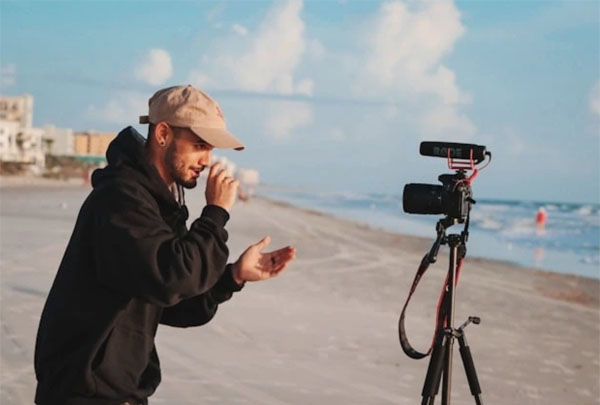
A clear content routine helps creators avoid the feeling that every post, live session, and message thread is another separate task. Live video, Stories, and messages all serve different purposes, but they can support one shared flow. When they work together, your audience understands what you share, when to engage, and how to continue the conversation.
Live video gives people time with you in the moment. Stories give them small updates before and after that moment. Messages help people continue the conversation in a more personal way. For example, a person interested in video chat with girls may still want context before starting a conversation, a sense of comfort during the exchange, and a simple way to follow up afterward.
Creators often struggle when each format has its own disconnected rhythm. A better routine connects the formats, so one idea can move through several touchpoints without feeling repetitive.
Key Takeaways
• Stories work best when they prepare people for live video or keep the topic active afterward.
• Live sessions need a simple structure, so viewers can follow the point without feeling managed.
• Messages should be treated as follow-up, not as an endless second content feed.
• A simple planning board helps creators track ideas, posted content, replies, and future topics.
• One strong live session can create several useful pieces of content when it is reviewed properly.
Start with the Main Role of Your Content
Before planning a weekly routine, decide what your content is supposed to do for your audience. This does not need to sound formal. It only needs to be clear enough to guide your choices.
A creator might want to help people feel more confident on camera. Another creator might focus on friendly daily conversations, beauty tips, travel updates, language practice, dating confidence, or casual social connection. The exact subject can change, but the role should stay recognizable.
A simple content role can sound like this:
• Helping people feel more comfortable starting conversations
• Sharing useful thoughts from everyday social experiences
• Creating a warm space for live interaction and follow-up
• Giving viewers small reasons to return during the week
• Turning real questions into clear and useful content
Give Every Format a Specific Job
Stories are best for light context. They can show what you are preparing, ask a quick question, share a short thought, or remind people about an upcoming live session. Stories should feel easy to consume because most people view them between other tasks.
Live video is best for presence and depth. This is where your voice, reactions, timing, and personality become important. Viewers can see how you respond, how you explain things, and how comfortable the space feels.
Messages are best for personal follow up. They can answer a specific question, thank someone for joining, continue a topic, or make a person feel noticed after they interacted with your content.
A useful routine might look like this:
• Story before the live session to introduce the topic
• Live session to discuss the topic in more detail
• Story after the live session to recap one useful point
• Message replies to continue individual conversations
• Saved note with repeated questions for future content
Build a Simple Weekly Planning Board
A planning board gives you a place to see your content flow. It can be a digital board, a spreadsheet, a notes app, or even a notebook. The tool matters less than the habit.
Use five simple columns:
| Column | What goes there |
| Idea | Questions, themes, comments, and moments worth saving |
| This week | Content you realistically plan to use soon |
| Live topics | Ideas strong enough for a live session |
| Posted | Stories, lives, and prompts already shared |
| Follow-up | Replies, message topics, and content to revisit |
This setup helps you avoid common creator problems. Your board should stay simple. If it takes more time to manage the board than to create content, it is too complicated. Spend a few minutes updating it after each live session or at the end of the day.
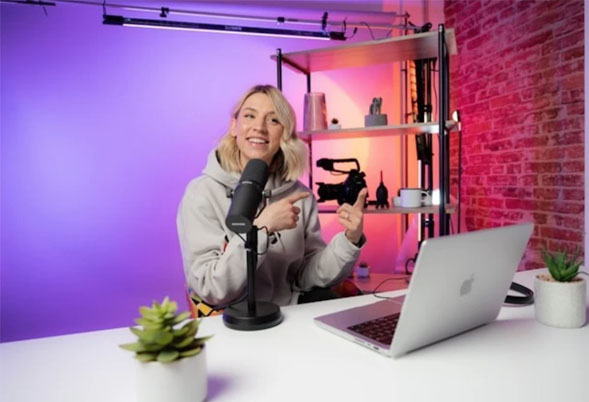
Plan Stories Around the Live Session
Stories are often treated as quick filler, but they become more useful when they support a bigger moment. Before going live, use Stories to create interest and reduce confusion. People are more likely to join when they understand the topic and the reason it matters.
Before a live session, you can post:
• A short note about the topic you will discuss
• A question that helps viewers think about the subject
• A small behind-the-scenes moment from your preparation
• A poll that gives you a starting point for the live session
• A reminder that tells people what kind of conversation to expect
After the live session, Stories can help people who missed it still feel included. Share one takeaway, one answer, or one question that came up. This keeps the topic active without asking people to watch a full replay.
Turn Live Moments Into Follow-Up Content
A good live session usually creates more material than the creator expects. The problem is that many creators end the session and move on too quickly. A short review can turn one live video into several useful pieces of content.
After going live, write down:
• One question people asked more than once
• One answer that felt especially useful
• One moment where people reacted strongly
• One topic that needs a clearer explanation
• One idea that could become a future live session
From there, create follow-up content. A repeated question can become tomorrow’s Story, a strong answer can become a short post, and a viewer reaction can become a message prompt.
You don’t need to squeeze every second into content. Just pay attention to what people already showed you they care about.
Keep Messages Connected to the Routine
Messages can build trust, but they can also become overwhelming when there is no system. Creators need to decide how messages fit into the routine before the inbox controls the day.
Messages are most useful when they do one of three things. They continue a live topic, answer a direct question, or help someone take the next step in the conversation. Messages become harder to manage when every reply turns into an open-ended exchange with no boundary.
A practical message routine might include:
• Replying to live-related messages during one planned time block
• Saving repeated questions in the Ideas column
• Sending short replies when a long answer is not needed
• Moving deeper topics into a future live session
• Ending conversations politely when the topic is complete
This keeps messages human without making them chaotic. It also helps creators protect their attention, which is important for staying consistent.
Review What Actually Works
A routine improves when you review real signals, not only how you felt while posting. Simple tracking can show which topics create real interest and which ones only fill space.
Useful things to review include:
• Which Stories receive replies or poll responses
• Which live topics keep people watching longer
• Which questions appear again in messages
• Which follow-up posts bring people back
• Which content leaves you drained without much value
This review does not need to become a full analytics project. Once a week, look at what created conversation, comfort, and return visits. Then move the strongest ideas back into your planning board.
A clear routine should make future content easier to choose. If the review only creates more pressure, simplify the system.
Build a Weekly Flow You Can Repeat
A creator does not need to post all day to have a strong routine. A simple weekly flow is usually easier to maintain and easier for the audience to follow. Here is one example:
| Day | Content Focus |
| Monday | Choose one main topic for the week |
| Tuesday | Post a Story question connected to the topic |
| Wednesday | Go live and discuss the topic clearly |
| Thursday | Share one Story recap from the live session |
| Friday | Reply to messages and save repeated questions |
| Weekend | Review what worked and choose follow-up ideas |
This schedule can be adjusted, but the pattern is useful. Introduce the topic, discuss it live, recap it, continue the conversation, then review it. That is how separate content pieces become one routine.
Quick Summary
Live video, Stories, and messages feel clearer when each format has a job. Stories prepare people and keep topics visible. Live video creates the main shared moment. Messages help continue useful conversations in a more personal setting.
A simple planning board makes this process much easier to manage. Ideas. Weekly priorities. Live subjects. Posted content. Follow-up. After every live session, review what people asked, where they reacted, and what needs further explanation. This turns content creation into a repeatable flow, not a daily scramble.
Author
Maya Ellis is a digital content writer and creator workflow specialist, writing about live video, social communication, and practical planning habits for online creators. She writes about how creators can organize ideas, manage audience conversations and build content routines that feel consistent without being stiff or overly scripted.