How to Protect Muscle Mass While Using GLP-1 Medications for Weight Loss
By Space Coast Daily // July 3, 2026
GLP-1 medications have transformed the weight-loss industry, helping many people achieve significant fat loss and improved metabolic health. However, individuals focused on fitness and body composition often have an important concern: how can you lose fat without sacrificing valuable muscle mass?
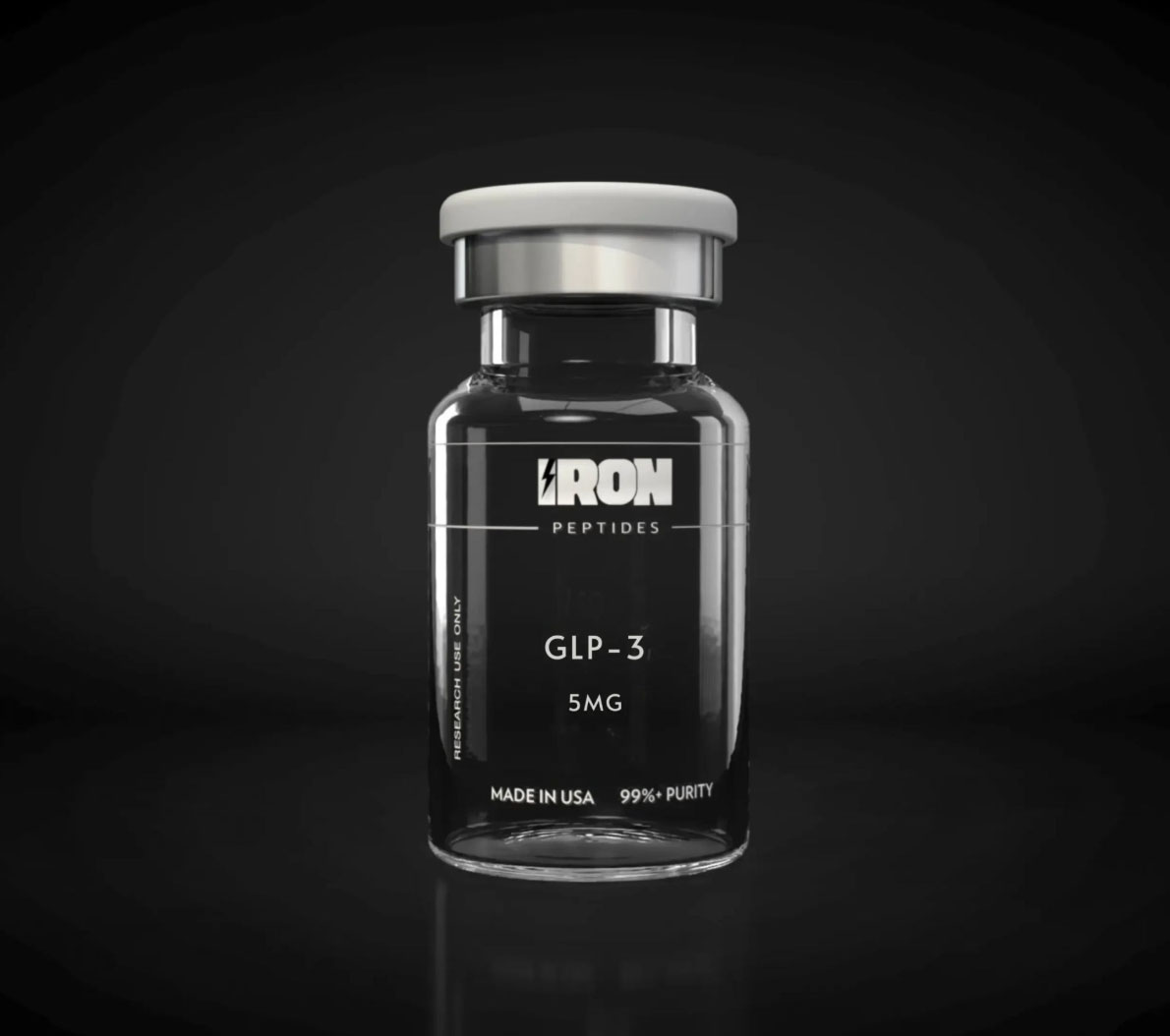
Research suggests that during rapid weight loss, a portion of the weight lost may come from lean muscle tissue. This makes muscle preservation a critical consideration for anyone using GLP-1 therapies. Whether you’re exploring traditional GLP-1 treatments or researching newer options such as glp 3, understanding how to maintain muscle can help maximize long-term results.
Why Muscle Loss Can Occur on GLP-1 Medications
GLP-1 medications work by reducing appetite and slowing gastric emptying. While this makes it easier to consume fewer calories, the body may utilize both fat and muscle tissue for energy when calorie intake drops significantly.
Without proper nutrition and resistance training, muscle loss can become a concern. This is especially common among people who struggle to consume adequate protein due to appetite suppression.
1. Prioritize Protein Intake
Protein is the foundation of muscle maintenance. Many nutrition professionals recommend consuming protein at every meal to support muscle recovery and preservation.
Excellent protein sources include:
• Lean chicken and turkey
• Fish and seafood
• Eggs
• Greek yogurt
• Cottage cheese
• Whey protein shakes
For individuals who find it difficult to eat enough food while taking GLP-1 medications, protein supplements can help bridge nutritional gaps and support muscle retention.
2. Continue Resistance Training
Strength training sends a powerful signal to the body that muscle tissue is needed. Exercises such as squats, deadlifts, bench presses, rows, and overhead presses are particularly effective for maintaining lean mass during a calorie deficit.
Aim for:
• 2-4 resistance training sessions weekly
• Progressive overload when possible
• Full-body or upper/lower split routines
• Adequate recovery between sessions
Even if overall training volume must be reduced temporarily, maintaining consistency is often more important than training intensity.
3. Avoid Excessive Calorie Restriction
GLP-1 medications already help create a calorie deficit. Adding extremely restrictive diets on top of these medications may increase the likelihood of muscle loss.
Instead of chasing rapid weight loss, focus on:
• Sustainable calorie reduction
• Balanced nutrition
• Consistent protein intake
• Long-term adherence
This approach generally produces better body composition outcomes than aggressive dieting.
4. Track More Than Body Weight
The scale only shows total weight change and cannot distinguish between fat loss and muscle loss.
Consider monitoring:
• Strength levels
• Workout performance
• Body measurements
• Progress photos
• Body composition assessments
If strength remains stable while weight decreases, it often indicates that muscle mass is being preserved successfully.
5. Focus on Recovery and Sleep
Recovery plays a major role in maintaining muscle during any weight-loss phase. Poor sleep can negatively impact hormone regulation, recovery, and muscle retention.
To optimize recovery:
• Aim for 7-9 hours of sleep nightly
• Stay hydrated
• Manage stress levels
• Schedule rest days when needed
Emerging Interest in Retatrutide and New GLP-1 Therapies
The next generation of weight-loss medications continues to attract attention. Many people searching for information about advanced metabolic therapies often look for terms such as buy reta glp 3 or buy reta glp 3 online when researching retatrutide-related options.
While early clinical data has shown promising weight-loss potential, these compounds should only be considered under the supervision of a qualified healthcare professional. Research regarding their long-term effects on muscle preservation is still ongoing.
Final Thoughts
Muscle loss is not an unavoidable consequence of GLP-1 therapy. By prioritizing protein intake, maintaining a consistent resistance-training routine, avoiding extreme calorie restriction, and focusing on recovery, individuals can significantly improve their chances of preserving lean muscle while losing fat.
For those researching emerging therapies such as reta glp 3, combining medical guidance with evidence-based fitness strategies remains the most effective approach for achieving healthy and sustainable body composition improvements.