Is Andrew Huberman Credible? A Balanced Look at the Neuroscientist, His Research, and His Influence
By Space Coast Daily // July 7, 2026
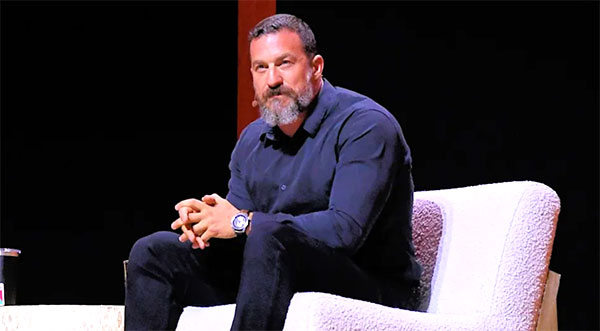
Few science communicators have had as much influence in recent years as Andrew Huberman. Millions of people listen to his podcast, follow his social media channels, and apply his advice on everything from sleep optimization and exercise to stress management, nutrition, and mental performance.
As his popularity has grown, so has public scrutiny. Supporters praise him for making neuroscience accessible, while critics question whether some recommendations extend beyond the available scientific evidence. This has led many people to search a simple but important question:
Is Andrew Huberman credible?
The answer isn’t simply “yes” or “no.” Like many respected public figures who translate scientific research for a broad audience, Huberman has genuine academic credentials and has made meaningful contributions to neuroscience. At the same time, some experts argue that portions of his health recommendations should be viewed with healthy skepticism.
This article takes an objective look at Huberman’s background, scientific credentials, areas of expertise, criticisms, and why he continues to be one of the world’s most influential science educators.
Who Is Andrew Huberman?
Andrew Huberman is an American neuroscientist, educator, and science communicator best known for hosting the Huberman Lab Podcast, one of the world’s most popular health and science podcasts.
He serves as a professor in the Department of Neurobiology at Stanford University School of Medicine, where his academic work has focused primarily on the brain, vision, stress, neural plasticity, and regeneration of the nervous system.
Unlike many social media health influencers, Huberman established his scientific reputation long before becoming a public figure. His research has been published in peer-reviewed journals, and his work has contributed to our understanding of how the brain adapts following injury and how vision influences overall brain function.
His academic background forms the foundation of his credibility.
Academic Credentials
When evaluating whether someone is credible, education and professional experience matter.
Huberman earned his Ph.D. in neuroscience from the University of California, Davis, before completing postdoctoral training at Stanford University.
Today, he leads a neuroscience laboratory investigating:
• Brain plasticity
• Vision science
• Stress responses
• Neural regeneration
• Brain development
• Learning mechanisms
His laboratory has received research funding from organizations including the National Institutes of Health (NIH) and private foundations supporting neuroscience research.
These credentials place him firmly within mainstream academic neuroscience.
Why Has Andrew Huberman Become So Popular?
Traditional scientific publications are often difficult for the general public to understand.
Huberman’s success comes from translating complex neuroscience into practical advice.
His podcast covers topics including:
• Sleep optimization
• Circadian rhythms
• Exercise
• Focus and concentration
• Memory
• Nutrition
• Mental health
• Stress management
• Hormones
• Cold exposure
• Heat therapy
• Meditation
• Supplements
Each episode often lasts two to three hours, allowing him to explain biological mechanisms before discussing practical applications.
Many listeners appreciate that he frequently cites published research throughout his discussions.
What Makes Him Credible?
- Strong Academic Background
Huberman is not simply an online personality.
He continues to work within one of the world’s leading medical research institutions while conducting neuroscience research.
That distinguishes him from influencers who lack formal scientific training.
- Evidence-Based Communication
One hallmark of Huberman’s content is his emphasis on scientific literature.
Many podcast episodes reference dozens of published studies.
Rather than relying solely on personal opinion, he typically explains:
• How studies were conducted
• Whether research involved humans or animals
• Sample sizes
• Potential limitations
Although listeners may not verify every citation themselves, the effort to reference scientific evidence increases transparency.
- Explaining Mechanisms Instead of Simple Tips
Rather than saying:
“Sleep more.”
Huberman often explains:
• Why light affects circadian rhythms.
• How cortisol changes throughout the day.
• Why melatonin timing matters.
• How body temperature influences sleep quality.
This educational approach helps audiences understand why recommendations may work rather than simply following instructions.
- Collaboration With Experts
Many Huberman Lab Podcast episodes feature internationally recognized researchers, physicians, psychologists, nutrition scientists, and medical specialists.
These interviews expose listeners to multiple perspectives rather than relying exclusively on Huberman’s own expertise.
Common Criticisms
Although Huberman has impressive credentials, no science communicator is free from criticism.
Several recurring concerns have emerged.
Recommendations Beyond Neuroscience
Huberman’s formal expertise is neuroscience.
However, his podcast frequently discusses:
• Nutrition
• Supplements
• Cardiovascular health
• Longevity
• Hormones
• Fertility
• Dermatology
While he often interviews specialists in these fields, critics argue that audiences may assume every recommendation carries the same scientific certainty as his neuroscience research.
Supplement Discussions
One of the most debated aspects of Huberman’s content involves supplements.
He discusses products such as:
• Magnesium
• Creatine
• L-Theanine
• Apigenin
• Ashwagandha
• Omega-3 fatty acids
Many of these supplements have supporting evidence.
However, critics note that research quality varies considerably, and benefits may be modest or population-specific.
Scientific evidence rarely supports universal recommendations for healthy individuals.
Animal Studies
Huberman frequently explains research conducted in mice or other laboratory animals.
Animal research is extremely valuable for understanding biological mechanisms.
However, results do not always translate directly to humans.
Responsible interpretation requires acknowledging this limitation.
Huberman generally does mention when evidence comes from animal models, although some listeners may overlook these distinctions.
Optimizing Everything
Some healthcare professionals suggest that modern wellness culture can encourage excessive self-optimization.
Tracking sleep.
Monitoring heart rate variability.
Timing meals.
Using cold exposure.
Taking multiple supplements.
While these practices may benefit some individuals, critics argue that constant optimization can increase anxiety rather than improve health.
What Do Other Scientists Think?
Most researchers recognize Huberman as a legitimate neuroscientist.
However, opinions vary regarding his podcast.
Supporters argue:
• He increases scientific literacy.
• He encourages healthier lifestyles.
• He motivates people to exercise, sleep better, and reduce alcohol consumption.
• He explains neuroscience more accurately than many online influencers.
Critics argue:
• Some conclusions are stronger than available evidence supports.
• Certain protocols receive more confidence than current research justifies.
• Individual studies are sometimes highlighted before broader scientific consensus develops.
This type of debate is common in science, where evidence continually evolves.
Does He Sell Products?
Huberman’s podcast includes sponsorships.
Like many creators, he earns revenue through advertising partnerships.
Sponsors have included companies selling:
• Supplements
• Athletic products
• Health technology
Some critics worry sponsorships could introduce conflicts of interest.
Huberman has stated that sponsors do not influence podcast content, and he generally distinguishes between discussing scientific evidence and promoting sponsored products.
Nevertheless, consumers should always evaluate recommendations independently.
How Should You Use Huberman’s Advice?
Perhaps the best approach is treating Huberman as an educational resource rather than a personal physician.
His podcast offers valuable insights into:
• Sleep habits
• Exercise science
• Stress management
• Brain function
• Healthy lifestyle practices
However, medical decisions should always involve qualified healthcare professionals familiar with your personal medical history.
Scientific research also evolves continuously.
Recommendations that appear promising today may change as additional evidence becomes available.
Is Andrew Huberman Credible Compared With Other Health Influencers?
Compared with many online wellness personalities, Huberman possesses unusually strong academic credentials.
Unlike influencers whose advice relies heavily on anecdotal experience, Huberman has:
• Conducted original neuroscience research.
• Published peer-reviewed studies.
• Led an academic laboratory.
• Taught at Stanford University.
• Interviewed recognized experts across multiple disciplines.
These factors substantially strengthen his credibility.
However, credibility does not mean infallibility.
Even respected scientists disagree with one another.
Healthy skepticism remains an important part of science itself.
Final Verdict: Is Andrew Huberman Credible?
Overall, the evidence suggests Andrew Huberman is a credible neuroscientist and science communicator, particularly within his areas of expertise involving neuroscience, vision science, stress, learning, and brain plasticity.
His academic achievements, research career, and commitment to discussing scientific literature distinguish him from many health influencers.
At the same time, listeners should recognize that not every health recommendation carries the same level of scientific certainty. Nutrition, supplementation, longevity, and lifestyle interventions often involve evolving evidence, and reasonable experts sometimes interpret that evidence differently.
The most productive approach is to view Huberman’s work as an educational starting point—one that encourages curiosity, healthier habits, and a greater appreciation for science—while remaining open to new research and seeking professional medical advice when making important healthcare decisions.
Frequently Asked Questions
Is Andrew Huberman really a neuroscientist?
Yes. Andrew Huberman holds a Ph.D. in neuroscience, completed postdoctoral training at Stanford University, and serves as a professor of neurobiology. His research has focused on vision, brain plasticity, stress, and neural regeneration.
Is Andrew Huberman credible?
Yes, particularly in neuroscience. His credibility comes from his academic research, peer-reviewed publications, university appointment, and ability to explain scientific literature. However, some of his recommendations in nutrition and supplementation extend into areas where evidence is still developing.
Does Andrew Huberman base his advice on scientific research?
Generally, yes. His podcast frequently references peer-reviewed studies and explains the biological mechanisms behind various health practices. However, listeners should remember that not every study provides definitive conclusions, and some recommendations rely on emerging evidence.
What is Andrew Huberman most known for?
He is best known for the Huberman Lab Podcast, where he discusses neuroscience, sleep, exercise, stress, learning, mental health, nutrition, and practical ways to improve overall well-being through evidence-informed habits.
Does Andrew Huberman recommend supplements?
Yes. He discusses numerous supplements, including magnesium, creatine, omega-3 fatty acids, and others. However, he generally encourages listeners to consider individual health needs and understand that supplements should complement—not replace—a healthy lifestyle.
Is Andrew Huberman’s advice suitable for everyone?
Not necessarily. Individual health conditions, medications, age, and lifestyle all influence whether specific recommendations are appropriate. Medical advice should always come from qualified healthcare professionals who understand an individual’s medical history.
Why do some scientists criticize Andrew Huberman?
Most criticisms focus on the strength of evidence behind certain lifestyle protocols and supplement recommendations. Critics argue that some conclusions may be presented with greater confidence than the available research fully supports, particularly outside his core field of neuroscience.
Should you trust Andrew Huberman?
His educational content is generally regarded as reliable within neuroscience and is often well-supported by scientific literature. Like any science communicator, however, his recommendations should be viewed as informative rather than definitive, and important health decisions should always involve consultation with a healthcare professional.