Should You Get a New Credit Card If Your Income and Credit Improve?
By Space Coast Daily // July 3, 2026
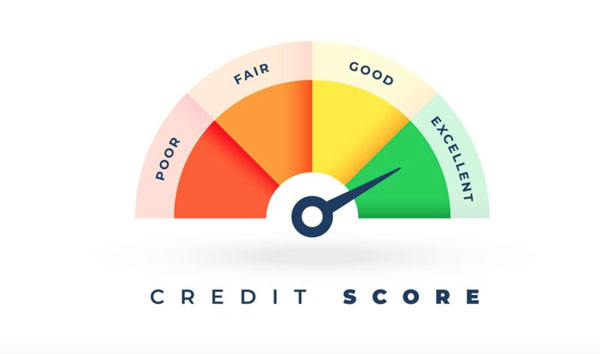
When your income grows, or you move up in your career, your financial habits often evolve along with it. You might start traveling more, dining out at better places, or simply expecting more from your financial tools. It’s possible that a credit card that once suited your needs can no longer keep up with you as you move forward.
In these cases, upgrading to a better card is a natural step toward maximizing your financial potential. More than prestige, moving on to a card that is matched to your current lifestyle will ensure that your needs are supported and that you get better rewards for your decisions. If you’re leaning towards the decision, here’s how you can approach a potential credit card upgrade with fewer missteps:
1) Reassess Your Financial Goals
Before you start an online credit card application for a card like the Landers Cashback Everywhere Credit Card by Maya, take a moment to define what “better” means to you. For some, it might be a card that earns travel miles; for others, it could mean more cashback or premium lifestyle perks. Clarifying what you want your upgraded credit card to do will help you choose wisely.
Ask yourself:
• Do you want to earn more rewards for specific expenses like dining or groceries?
• Are you looking for travel-related perks such as lounge access or insurance?
• Or are you after financial flexibility, like longer grace periods or lower fees?
Your answers will help you shape which cards deserve your attention.
2) Review Your Current Spending Habits
As your income increases, your spending often shifts, too. Maybe you’re traveling more frequently or hosting gatherings. Perhaps you’ve been finding yourself shopping at premium stores lately. Take note of these activities. Understanding where your money goes will help you pick a card that gives you value where you spend the most.
If, for instance, you’re spending more on travel, a card that earns miles or points for airline and hotel transactions makes sense. But if you’re mainly using your card for everyday expenses, a cashback card might serve you better. The right rewards program ensures that every peso you spend contributes to something worthwhile.
3) Check Your Credit Standing
A higher income may boost your confidence, but keep in mind that banks still look at your creditworthiness before approving an upgraded card. This means that they’ll examine your repayment history, credit score, and debt-to-income ratio to check if you qualify for the card that you want. Before you apply, it’s always a good idea to review your credit report. Make sure you’ve been paying bills on time and keeping your utilization rate below 30% as well.
4) Compare Credit Card Tiers and Benefits
Credit cards often come in different tiers, each with varying privileges and requirements. Higher-tier cards generally come with enhanced rewards, travel protection, or concierge services, but they may also have higher income qualifications or annual fees. Should you apply for such cards?
To answer this question with confidence, you first need to ensure that the benefits outweigh the costs. For example, if you rarely travel, paying a hefty annual fee for lounge access might not be practical. On the other hand, some cards offer top-tier rewards and travel perks without an annual fee, making them a strong choice for cardholders looking for both value and flexibility.
5) Look for Lifestyle and Travel Perks
An upgraded lifestyle often brings new experiences, and your choice of credit card should enhance them. A card that supports your lifestyle, be it traveling internationally or dining out often, can make these experiences more rewarding.
Consider cards that offer:
• Travel insurance and emergency assistance
• Free airport lounge access or upgrades
• Dining and entertainment discounts
• Hotel and airline loyalty point transfers
These perks not only make travel more comfortable but also let you save on expenses you’d already be making.
6) Check the Credit Limit and Flexibility
With a higher salary, you may need more spending flexibility. A card with a higher credit limit gives you room to manage larger purchases. Using it responsibly also improves your credit utilization ratio and signals your financial growth.
You can either request a credit limit increase from your existing provider or apply for a new card that comes with a higher starting limit. However, remember that more credit power requires more discipline. After all, using your new limit wisely is what truly sets you apart as a responsible cardholder.
7) Consider Digital and Security Features
Modern credit cards go beyond physical perks; they also come with smart digital tools that make money management simpler. Look for cards that allow you to:
• Track your spending in real time
• Instantly freeze or unfreeze your card
• Set spending limits for specific categories
• Earn instant cashback or points through app-based systems
These features make it easier to stay in control of your finances and prevent fraud. They can also play a role in optimizing your spending. As your transactions grow in size and frequency, you’ll find a greater degree of appreciation for a card with these functionalities.
Keep a Long-Term View When Selecting a New or Upgraded Credit Card
Your financial journey is constantly evolving, and a card that fits you now might not be your ideal match five years down the line. Knowing that this is a possibility, make it a point to revisit your credit card portfolio periodically and see if your current mix still serves your goals. Staying proactive helps you maximize rewards and manage your credit efficiently.
In any case, upgrading your primary credit card as your income and credit improve will be a big milestone in your financial history. Choose a card that aligns with your goals and lifestyle, and you’ll make your day-to-day transactions more rewarding for your long-term financial outlook.