Understanding Who Pays When the At-Fault Driver Has No Coverage
By Space Coast Daily // August 11, 2026
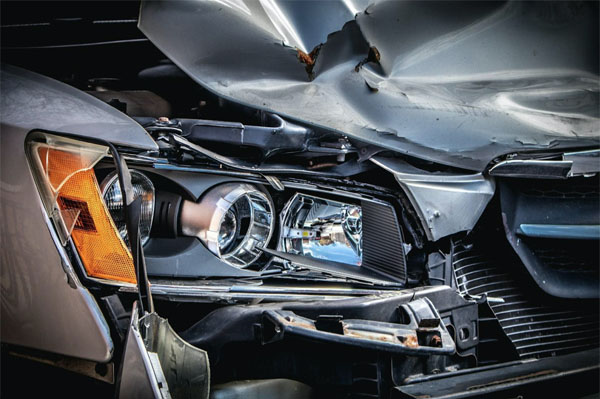
A car crash is already stressful, but when you discover that the driver who ran into you is uninsured, it adds to the complications. The question of how to recover your medical expenses, lost income, and repair expenses isn’t so easy to answer.
But options do exist. Even when the at-fault driver has zero coverage, you’re not automatically left paying out of pocket for someone else’s mistake.
What Happens After an Uninsured Driver Hits You
The immediate aftermath looks the same as any other crash — police reports, medical attention, and documentation. The difference shows up later, once insurance claims enter the picture. A driver without coverage can’t hand you a policy number, and there’s no adjuster to call on their side. So the question becomes: What if at fault driver has no insurance, and who actually covers the damage? The answer depends on your own policy, your state’s laws, and whether additional parties share liability.
How Your Own Insurance Can Help
Most people don’t realize their own policy may cover them in exactly this kind of situation. It feels counterintuitive — you weren’t at fault. But certain types of coverage exist specifically for this scenario.
Uninsured Motorist Coverage (UM)
This is the most direct solution. Uninsured motorist coverage pays for injuries and, in some cases, property damage when the other driver either carries no insurance or flees the scene entirely.
Some states require UM coverage by law. Others make it optional but strongly recommended. Either way, it mirrors what the at-fault driver’s liability policy would have covered — except it comes from your own insurer.
A few things to keep in mind:
• UM coverage limits are tied to the amounts you selected when you purchased the policy.
• You’ll still need to prove the other driver was at fault.
• Some policies include underinsured motorist coverage as well, which kicks in when the at-fault driver’s coverage exists but falls short.
Personal Injury Protection (PIP)
In no-fault states, PIP coverage handles medical expenses and sometimes lost income regardless of who caused the accident. It won’t cover everything, and it won’t address vehicle damage. But it can ease the financial hit while you figure out next steps.
PIP limits tend to be modest — $10,000 in many states. That doesn’t go far after a serious collision.
MedPay and Collision Coverage
MedPay works similarly to PIP but applies in at-fault states too. It covers medical bills for you and your passengers without worrying about fault determination.
Collision coverage, on the other hand, handles vehicle repair or replacement. You’ll pay your deductible upfront, and your insurer may attempt to recover that amount from the uninsured driver later through subrogation.
Can You Sue the At-Fault Driver Directly?
Yes. Carrying no insurance doesn’t protect a driver from legal responsibility. You can file a personal injury lawsuit against them, and a court can award damages for medical costs, pain and suffering, and other losses.
Here’s the catch, though. Winning a judgment and actually collecting money are two different things. Uninsured drivers often lack the financial resources to pay a large settlement. A court order means little if the person has no assets and no garnishable income.
With that being said, certain circumstances can justify a lawsuit. The motorist may have assets or future income that can be used to settle the debt over time. A lawyer can help determine the feasibility of a legal action.
Are Other Parties Liable?
Sometimes the uninsured driver isn’t the only one responsible. A bar that over-served them, an employer if the driver was on the clock, or a vehicle owner who lent the car — all of these could carry liability and, more importantly, insurance.
Third-party claims widen the pool of potential compensation. They also add complexity, so identifying every responsible party early matters.
Final Thoughts
Having an at-fault driver without a policy does not mean that you will have to bear all expenses on your own. You can benefit from your own UM insurance policy, PIP benefits, collision insurance, or third-party claims that might arise following the accident. The rules differ from state to state and from one policy to another; therefore, checking your insurance before an accident occurs is helpful. Do not wait until the accident happens to find out your coverage limits.